Flavor Boulevard

We Asians like to talk food.
Subscribe

More starchy sweets

June 25, 2010 By: Mai Truong Category: Comfort food, Houston, sticky rice concoctions, sweet snacks and desserts, Texas, Vegan, Vietnamese

Do you have those times when you keep craving something sweet, even after you wiped clean a cereal bowl worth of Double Fudge Brownie, exterminated many prunes, and skillfully chewed up four pirouette cookies like a mafia boss smoking cigars? I’ve started to see such danger of staying up late, but sweet stuff is always easier to eat than savory stuff in those wee hours. To avoid having my belly exceed my face, I started going through pictures of food (it helps more than studying and thinking about food), and found some munchtastic  sweet treats I meant to but never got around to blog about.


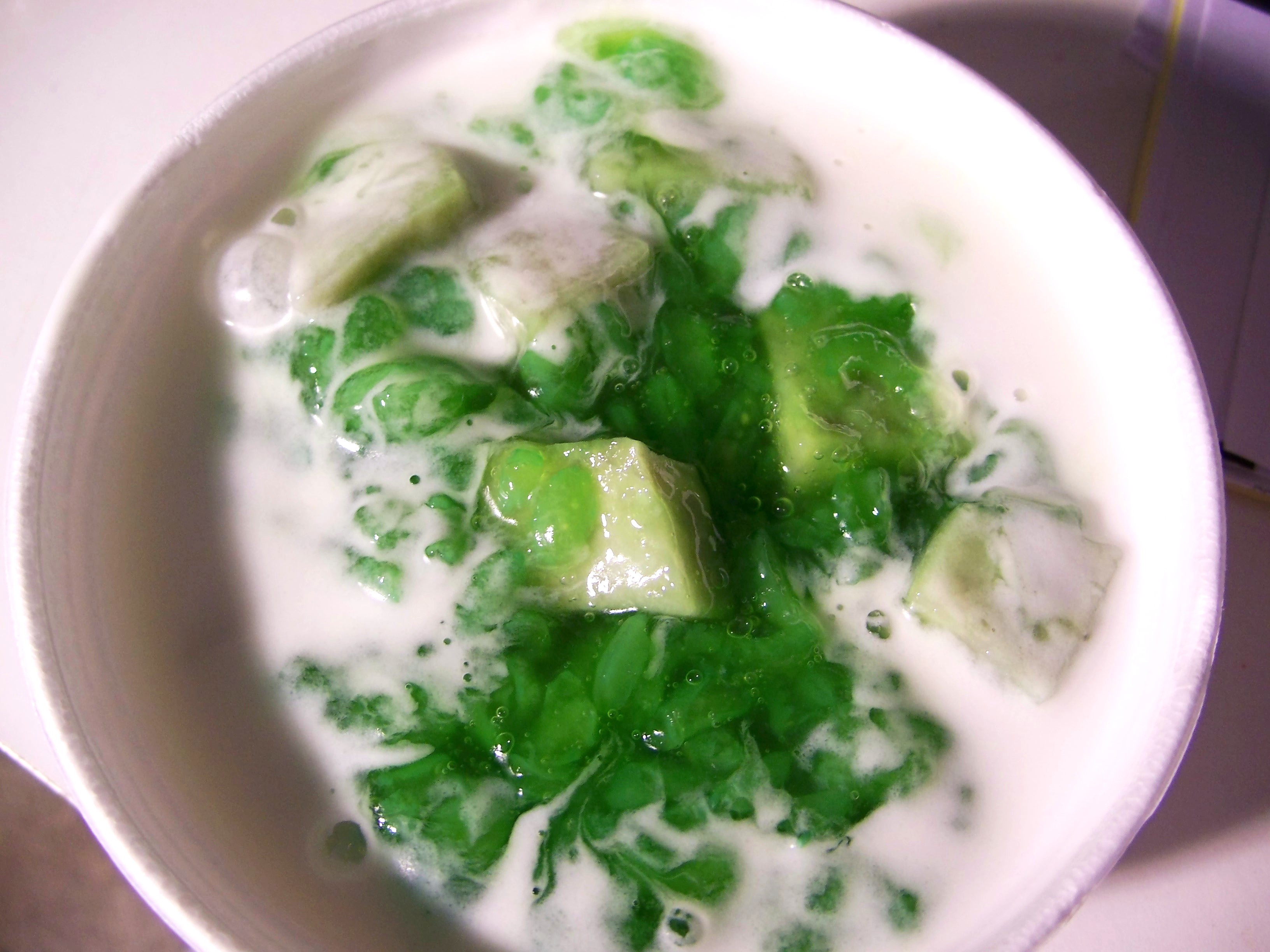
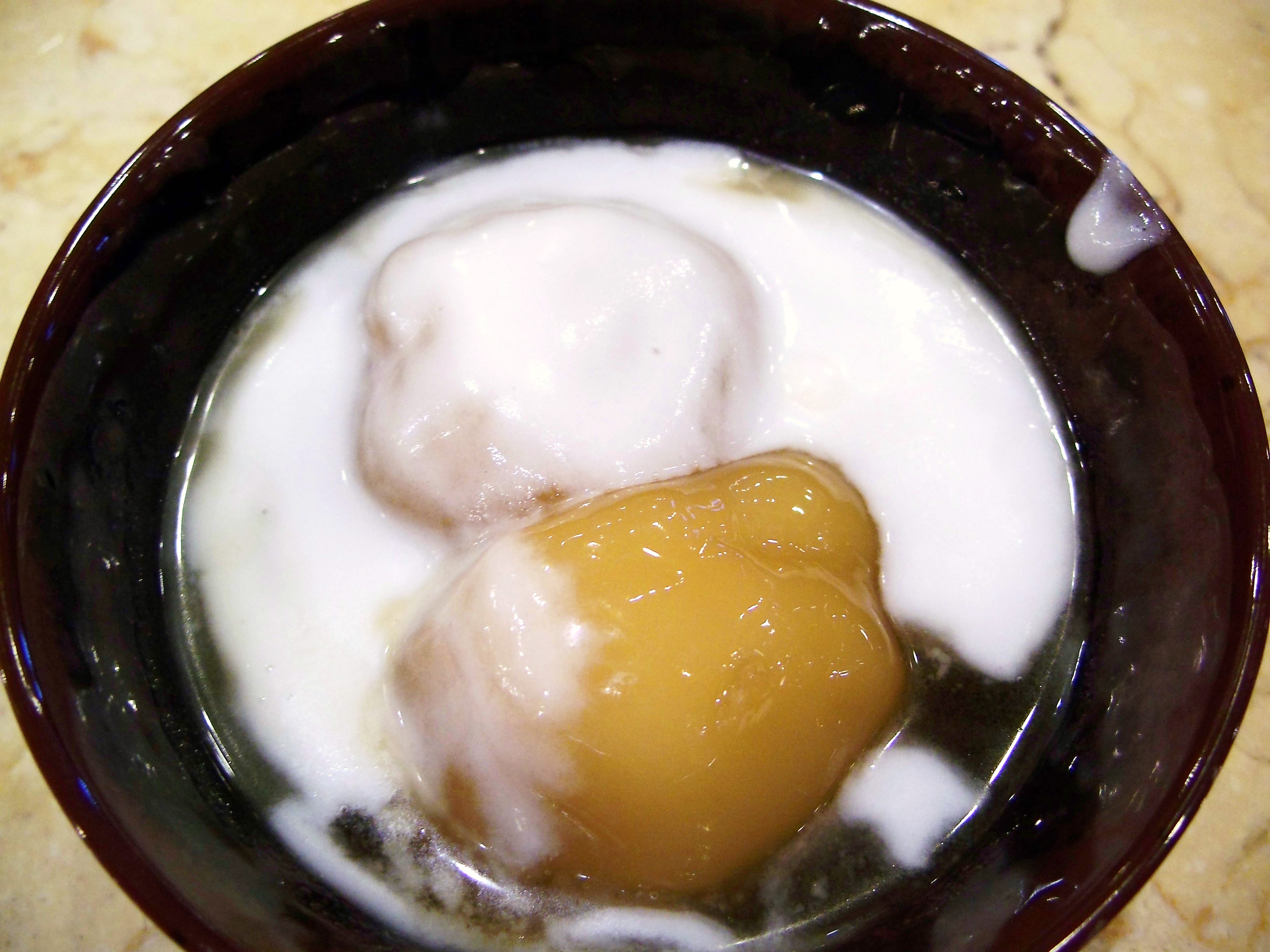
1. Chè khoai môn (taro che)

One of the few country treats without mung bean paste. Depending on each root and how long it’s cooked, the purplish pale taro cubes can be grainy, nutty, a little chewy, or al dente, like scallop potato minus the butter. However they are, they serve as a textural contrast to the gooey pudding-like sticky rice base. I’m particularly charmed by the vibrant green color in this Lee’s Sandwiches‘ rendition, hopefully from pandan leaf extract. You know it’s a skilled cook when the sticky rice grains are still visible, yet so soft you don’t need to chew. Taro che is less sweet than other kinds of che, as coconut milk alone gives much of its sugary taste.


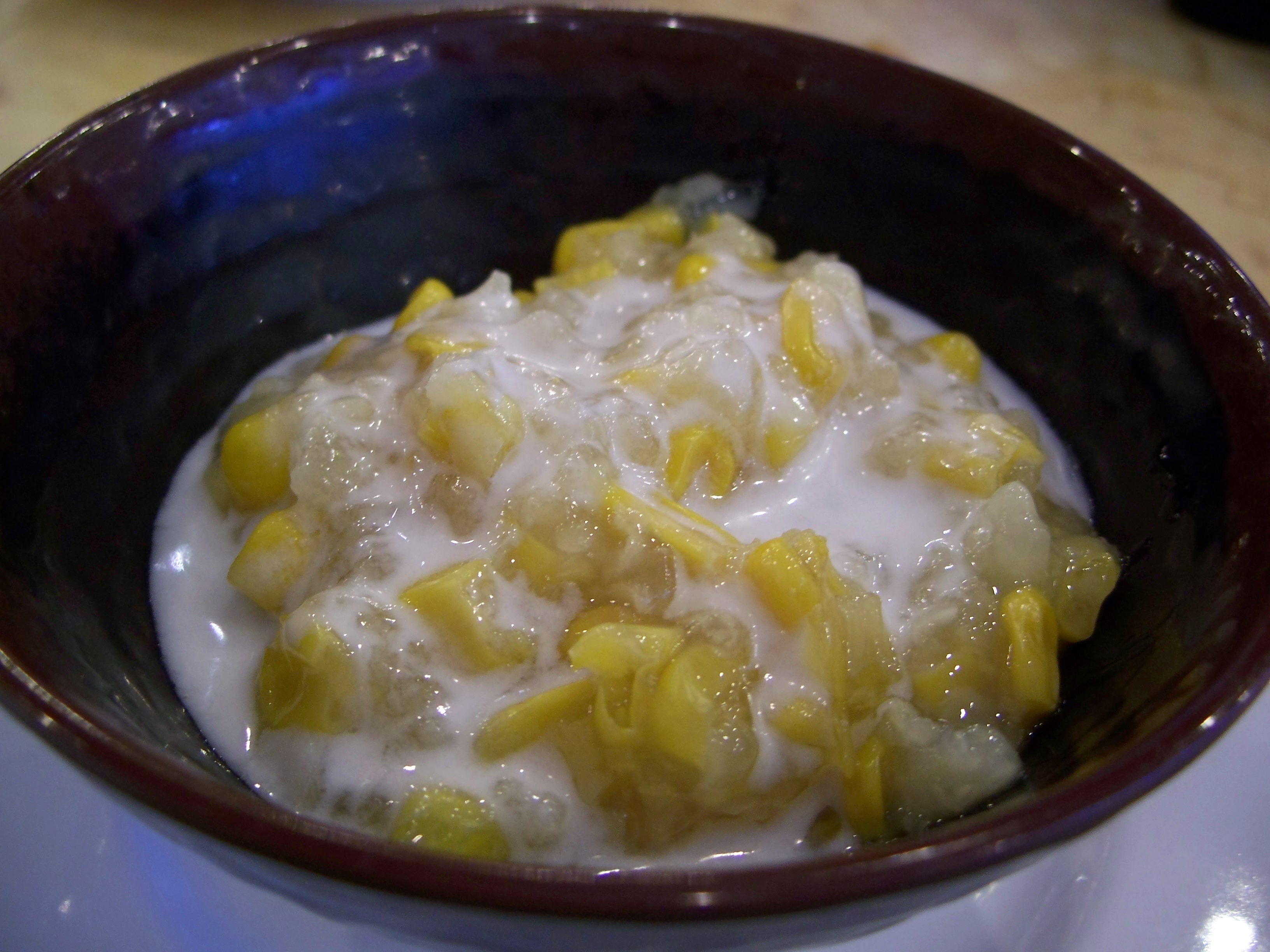
2. Chè bắp (corn che)

Another rare sticky rice concoction without mung bean intervention. Another pair of contrasting textures: crisp and firm kernels versus luscious goo. Another mild pudding sweetened by coconut milk. Bellaire Kim Son’s kitchen strayed from the common recipes that call for shaving the kernels off the cob, and used whole kernel sweet corn straight out of the cans. A simple, cheap, inhomogeneous toothsome mess.

More than 18 months ago: chè đậu trắng, chè bột báng, chè trôi nước

Sweet New Year began with chè

January 01, 2009 By: Mai Truong Category: Comfort food, Houston, sweet snacks and desserts, Texas, Vegan, Vietnamese

We heard dapples of fireworks last night, other than that, everything was normal. TV had the usual shows, roads had the usual cars, the usual air, the feeling of a usual day. Isn’t that strange? New Year came quietly in this town, but with all the bombing and protesting around the world, I suppose a quiet peaceful New Year’s Eve is a nice New Year’s Eve. No champagne, no confetti, no wishes, no counting down. We slept.
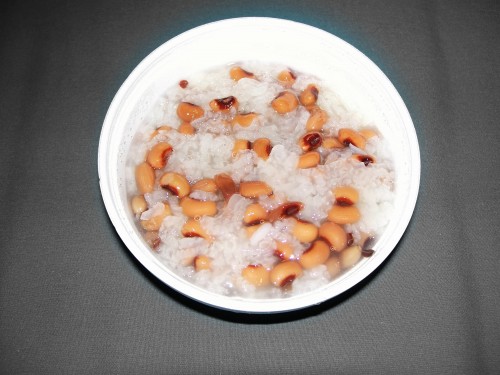

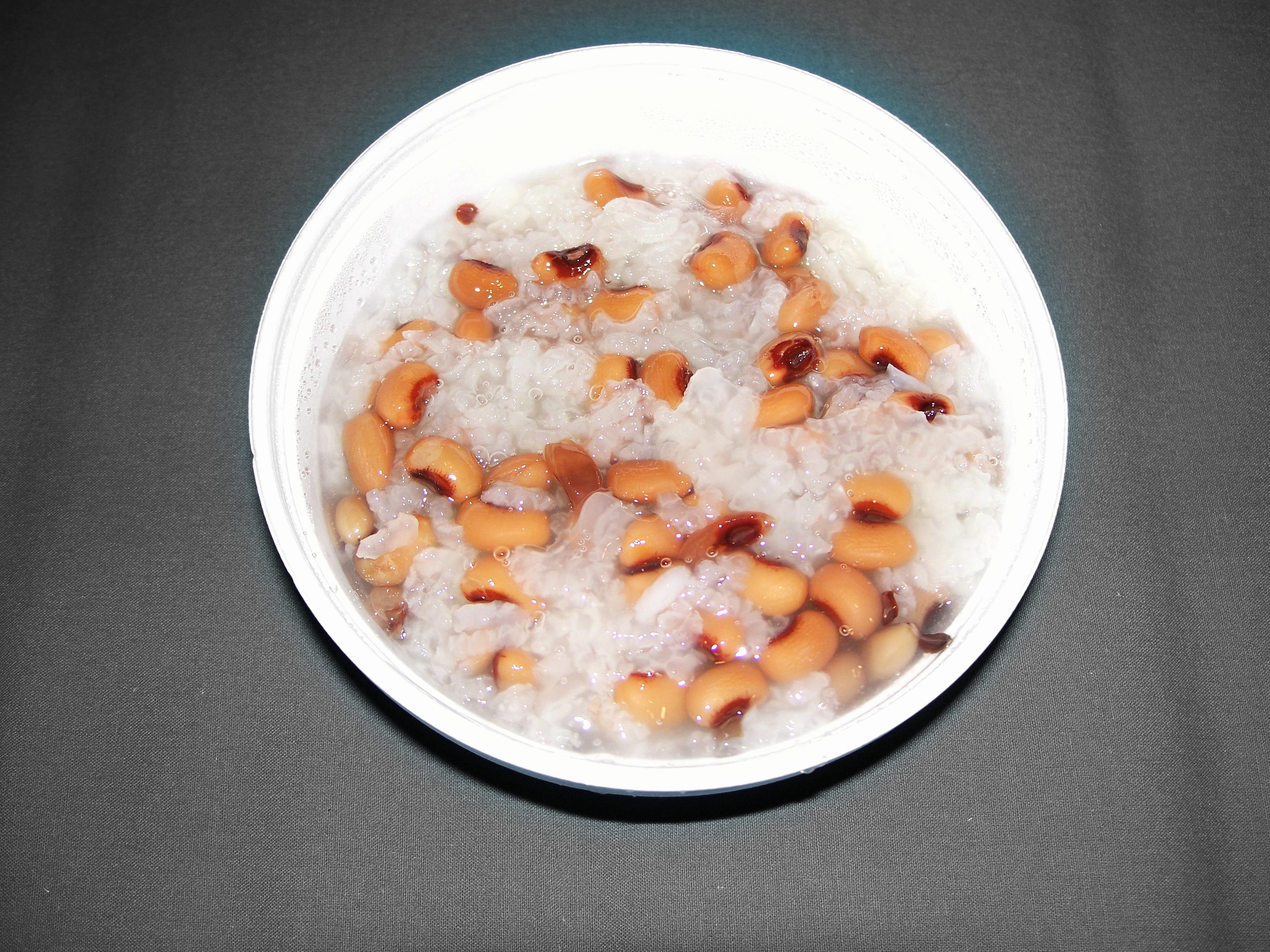
But how about some black eyed pea? 🙂 Not only is it a traditional American New Year’s food, it always appears in a baby’s first (and most important) birthday in Vietnam (quite a connection, I know… but a good bean, isn’t it?). The word “đậu” for bean, or pea, has the same spelling with the word for passing (an examination), chè is a dessert, so chè đậu trắng is a sweet food of good luck for the beginning of something. Cooked until soft, washed with cold water, the hard “black eye” part of the testa taken off, then cooked again with sticky rice and preferably brown sugar, the beans melt in your mouth. In an average pot of che dau trang, you see the sticky rice makes a gluey protection of the beans, the seed coat is still just a tad chewy, your jaws and tongue will enjoy a mix of texture. This might be exclusively enjoyable for those with an eye on texture food, myself included. In a good pot of che dau trang, you can see each grain of sticky rice and each shapely pea, but each spoon will only give you a sweet, nutty, almost homogeneous mixture. Oh, can’t forget the slightly salty, thick and fat coconut milk, of course. Coconut milk makes everything aptly better.
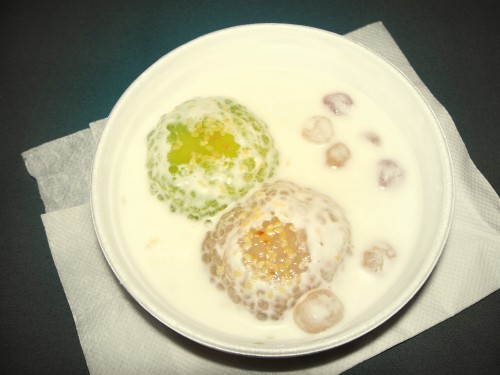

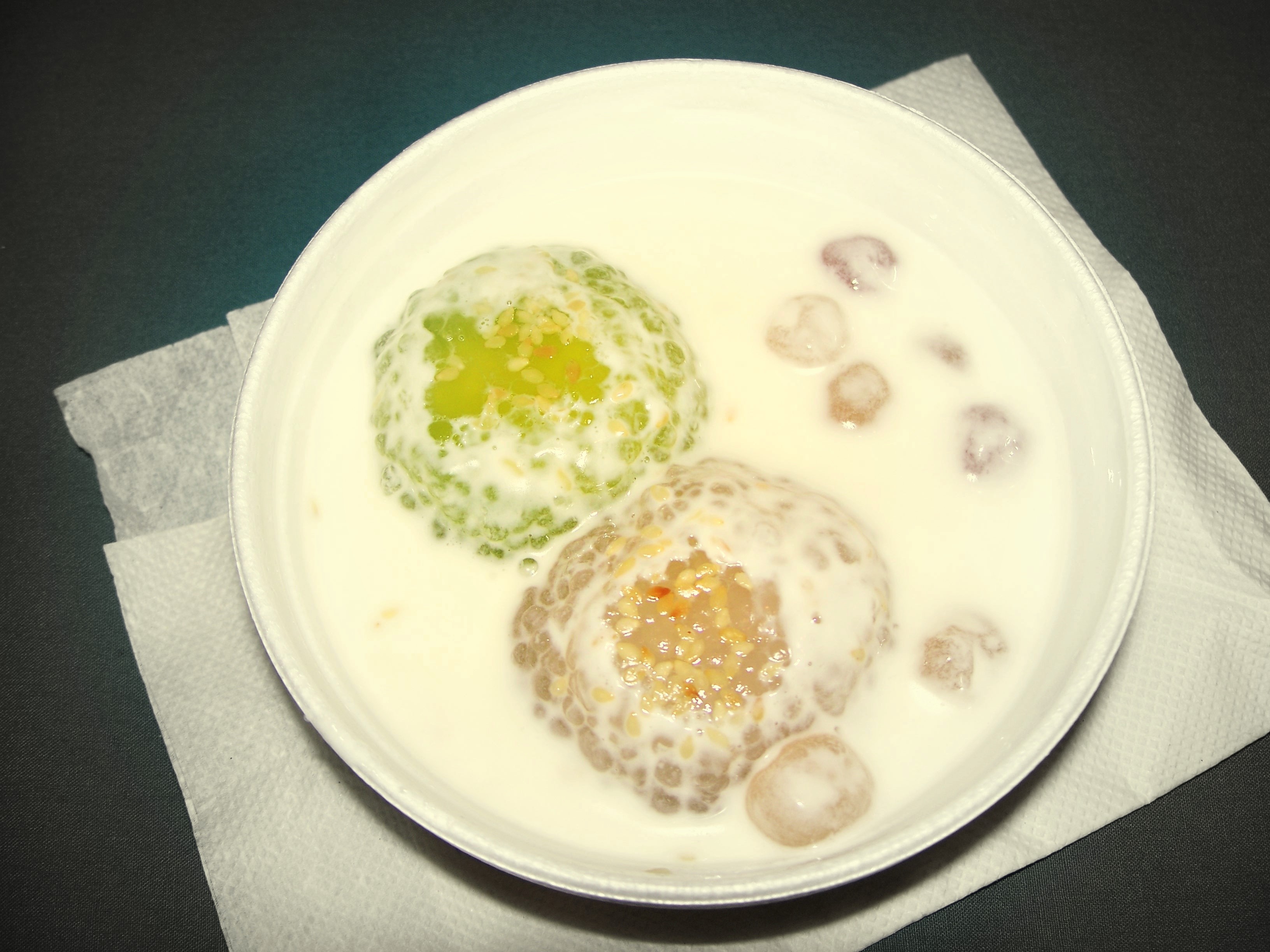
Coconut milk sneaked in here too… A small cup of chè bột báng (tapioca chè) from Lee’s Sandwiches. The big pink and green balls have mung bean paste inside, the little ones are your usual tapioca marbles in bubble tea (only slightly bigger and not dark brown). There is no sticky rice, but there is a teaspoon of pan-dried sesame seeds atop. Chewy and sweet is the main theme che bot bang shoots for. It’s pretty light.
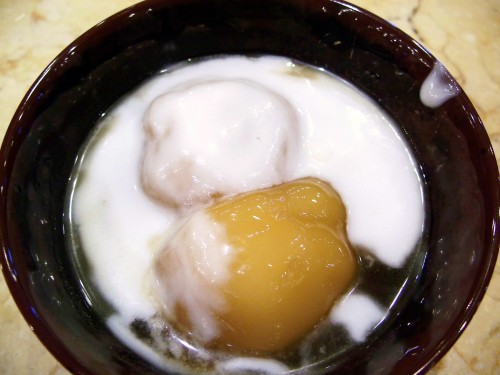

Che is a vegan snack. Sticky rice, bean and coconut are about the main ingredients in any kind, some have fruits or roots, but eggs and milk stay out of this business. So how many variations of che do you think there are? Quite a few, actually. Chè bắp (corn), chè bột báng (tapioca), chè bột khoai, chè củ năng (water chesnut), chè củ mài (a kind of yam), chè chuối (banana), chè đậu xanh (mung bean), chè đậu đen (black bean), chè đậu đỏ (azuki bean), chè đậu trắng (black eyed pea), chè hạt sen (lotus seed), hạt mít (jack fruit seed), chè hạnh nhân (chesnut), chè nhãn (longan), chè khoai lang (sweet potato), khoai môn (taro), khoai mì (cassava root)…, and many others I haven’t tried. Are there similar desserts in other countries? I don’t know, but certainly not in the US, where people say ew to soy milk (and not to raw clams). Kim Son, quite to my disappointment, has stopped serving che dau trang for some while, but still has chè trôi nước, another familiar dessert of the Vietnamese, especially in the North, where some call it bánh trôi, as it’s a ball floating in sugar liquid. Such simple name is made simpler, pronunciatively, by the Southerner, when they turn it into chè xôi nước: xôi – sweet sticky rice (the coat of the ball is indeed made of sticky rice flour), in nước – (sugar) water. The stuffing is, surprise surprise, Mung Bean Paste. Sweet outside, mild and nutty inside. A beast to work your jaw. Doesn’t it remind you of banh it? Sprinkle some sesame seeds and spoon in coconut milk for a homey taste of the countryside.

Off to a well-seasoned new year, everyone! 🙂

Banh mi ba chi pate

October 05, 2008 By: Mai Truong Category: Houston, One shot, sandwiches, Texas, Vietnamese

Lee’s sandwiches has different kinds of banh mi on their menu, and although I’m a stingy about chances to try out varieties (after finding out my favorite, of course), my mom often surprises me by how open-minded she is on a few things. For example, despite my usual fondness of banh mi thit nuong, this time she got me an extra: banh mi ba chi pate, the new and only item on Lee’s menu that has pate in it. I’m not sure if I would even have seen that on the menu myself. “Ba chỉ” literally means “three threads,” which I loosely understand as three layers, because there’s one really thin layer of skin, then there’s fat and meat. That’s right, sometimes words reflect great imagination of whoever made up the word originally. Just to confuse you, this type of meat is also called “ba rọi” in the south, and I have no clue what a “rọi” is, maybe a mispronunciation of “loại” – “type”? I digress. The meat is so thinly sliced that skin and fat can almost go unnoticed in your mouth. My gut instinct (well… not quite, just something I feel like I know but can’t remember from where or how I knew) tells me that the fatty pork is smoked Update: the pork is cured, but I don’t know if that explains the almost-too-attractive-to-be-natural red colour, which reddened the edge of the baguette as well. What is a banh mi with lipstick? Should you vote for it? Anyhow, I could taste little pate in there, and it would take a lot more pate to overpower the sour bickering of the shiny red slices. My loyalty with good ol’ grilled pork banh mi remains.