Flavor Boulevard

We Asians like to talk food.
Subscribe

Comfort food at the Taiwan Restaurant
November 20, 2013 By: Mai Truong Category: California - The Bay Area, Chinese, Comfort food

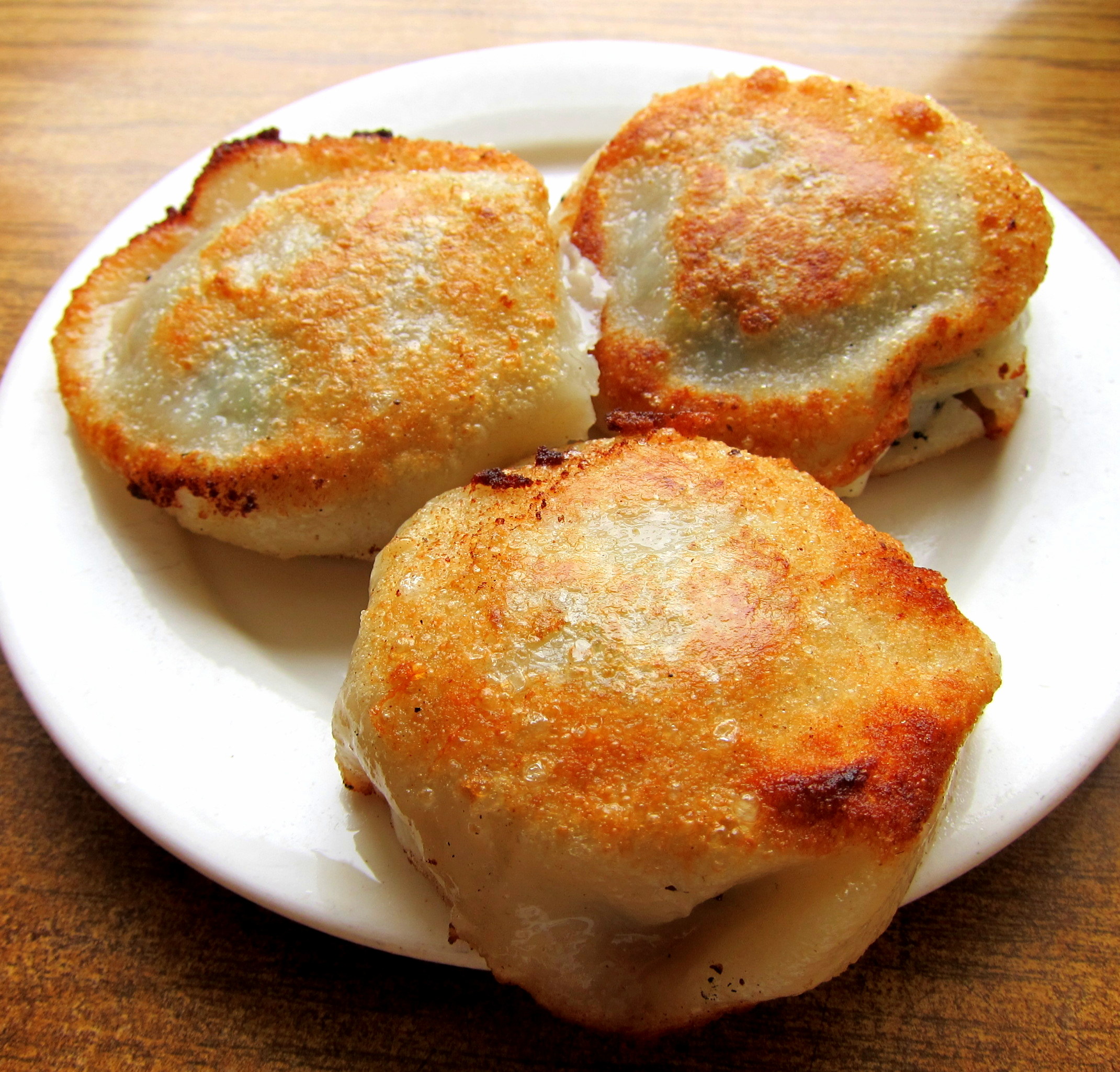
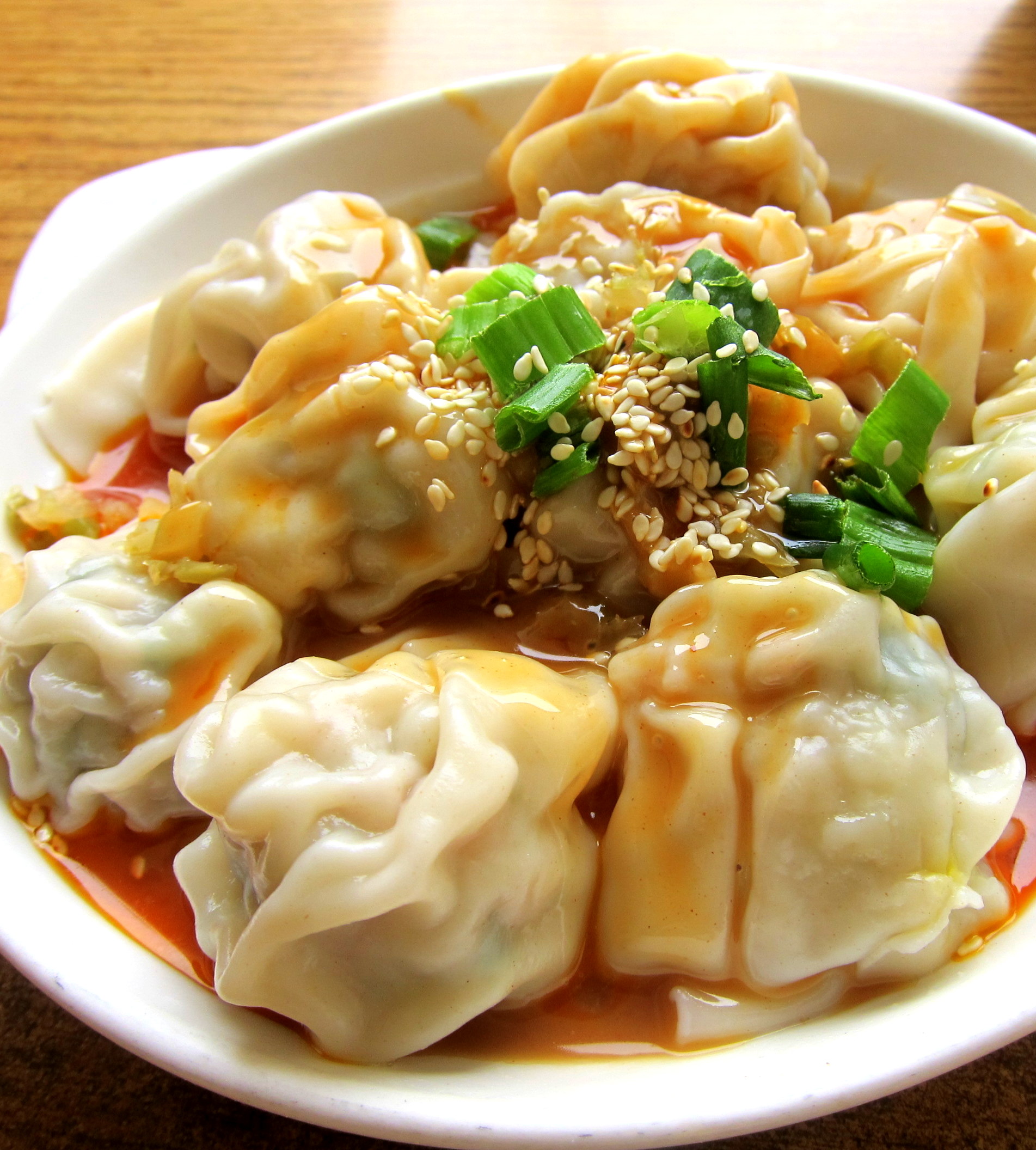
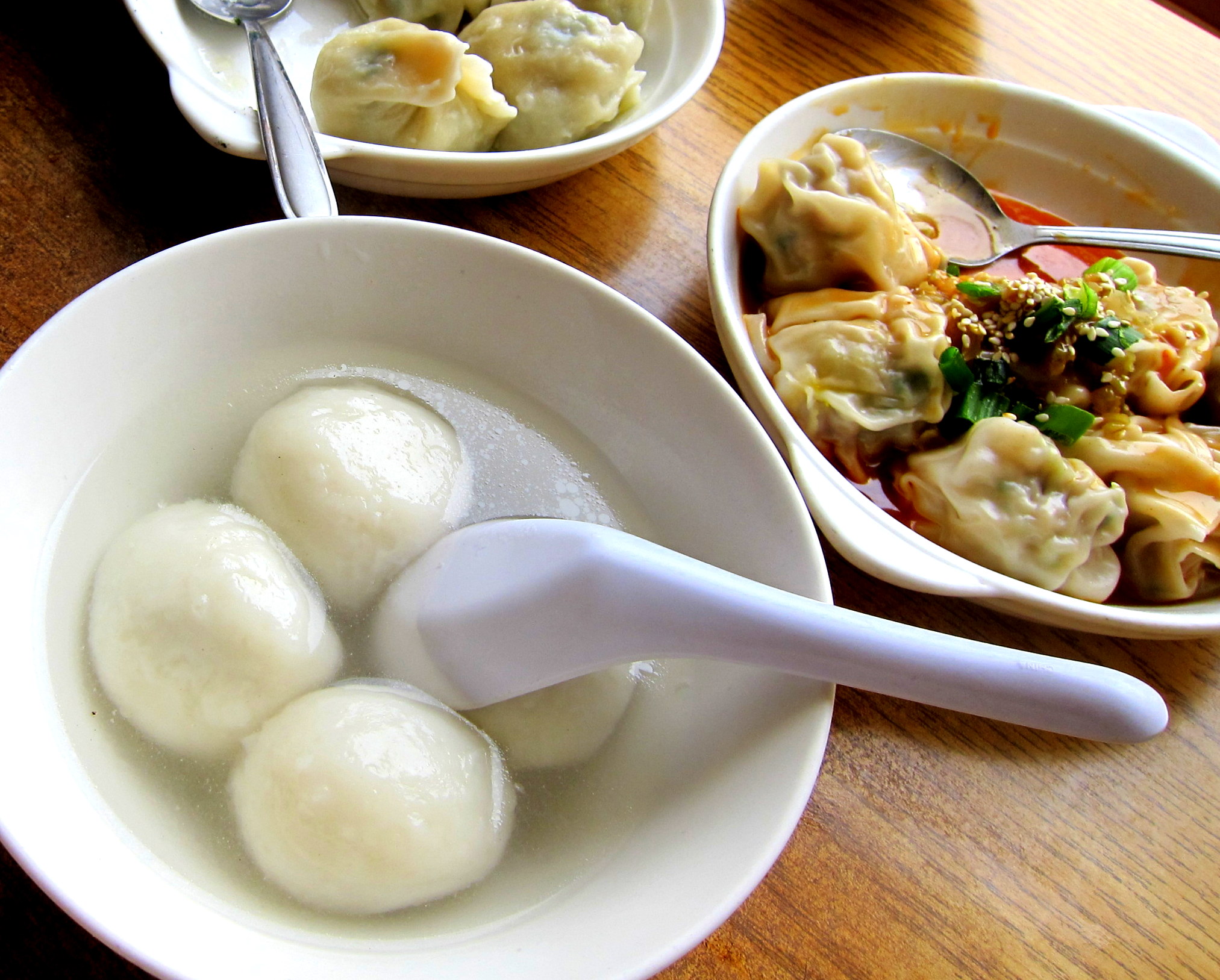
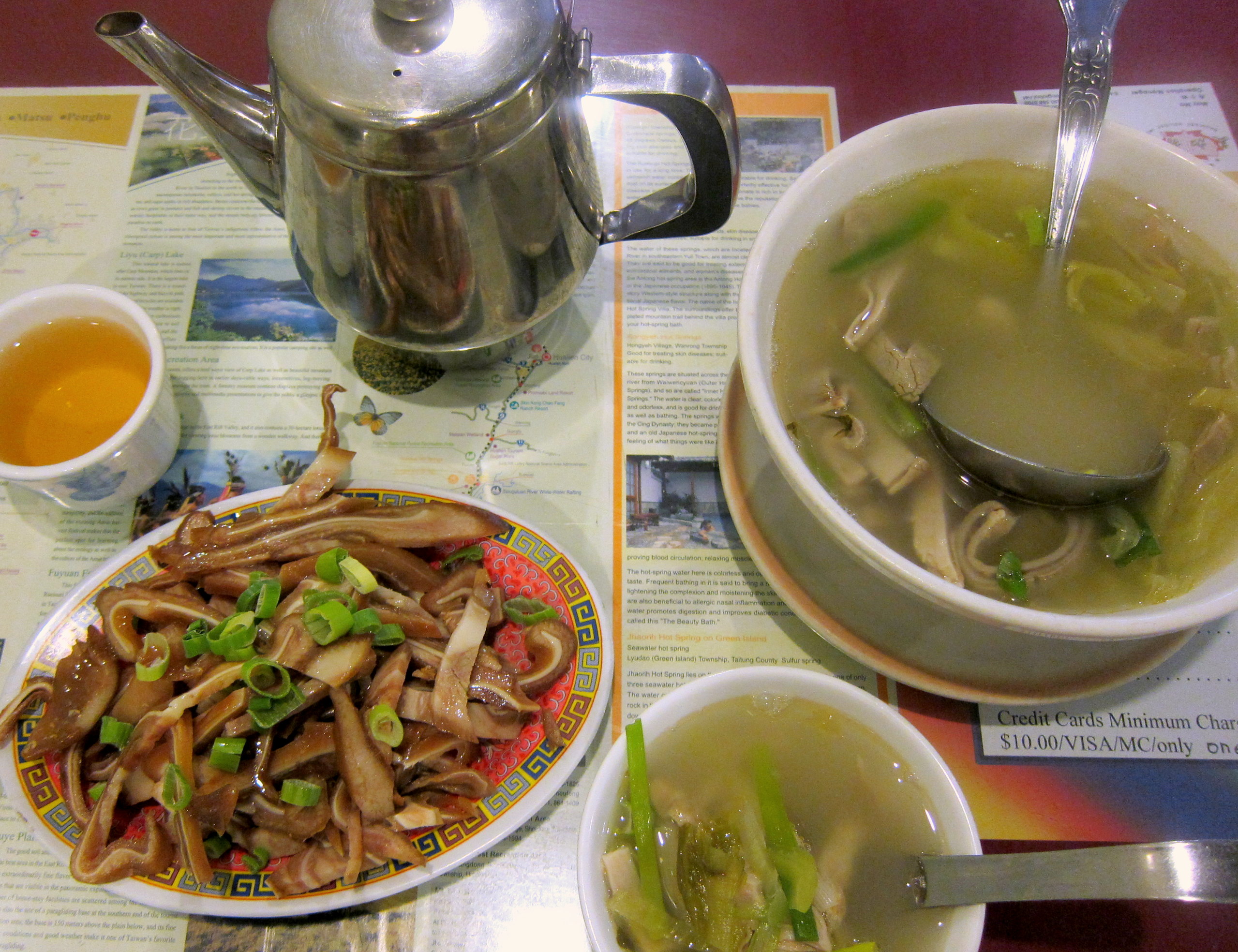
twr-starters
Partly because of my busy schedule, partly because of the lack of good Vietnamese food in Berkeley, I haven’t had Vietnamese food for months. I miss it, of course. Luckily, the neighboring cuisines share so much similarities that my “comfort food” category has steadily expanded to enclose most of East Asia. If for some reason America and I don’t get along, I think I can happily merge into Taiwan and Japan (not sure about Korea – their food is too spicy…).

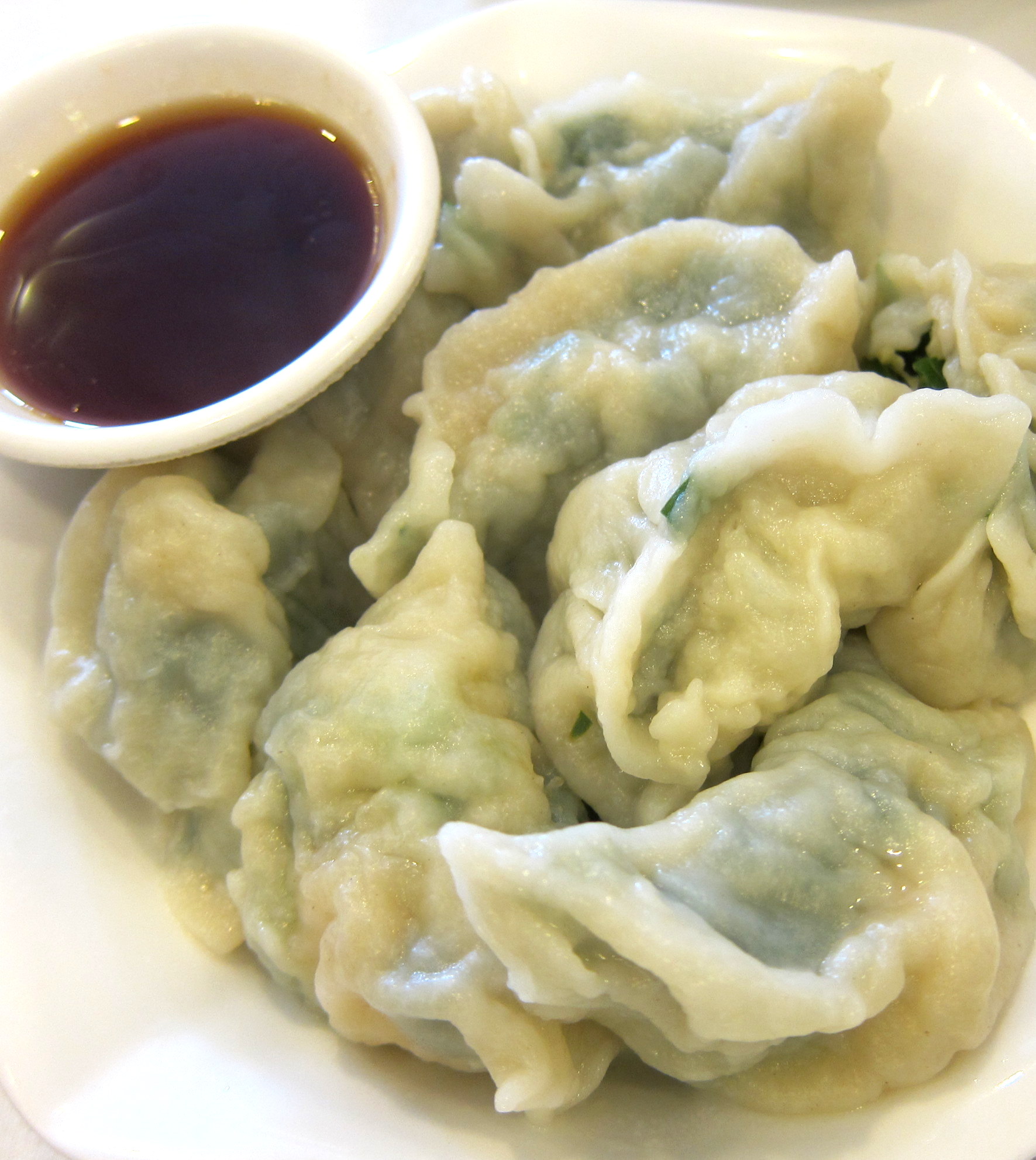
So when I crave comfort food, if it’s Sunday or Monday and Musashi is closed, I go down University Avenue to the Taiwan Restaurant. It’s the purple building next to Anh Hong, and it’s another case of generic-names-hence-don’t-go-there type of restaurant. However, two Taiwanese told me that it was “good enough” – the owner of Asha Tea House across the street, and Kristen. As with any Asian eating establishment, you have to know what to get at the Taiwan Restaurant, otherwise you end up with oily overload. I haven’t strayed once out of the usuals. It’s comfort food, there’s no need to change it. In fact, I come here just for one type of soup: the pickled cabbage soup with tripe.
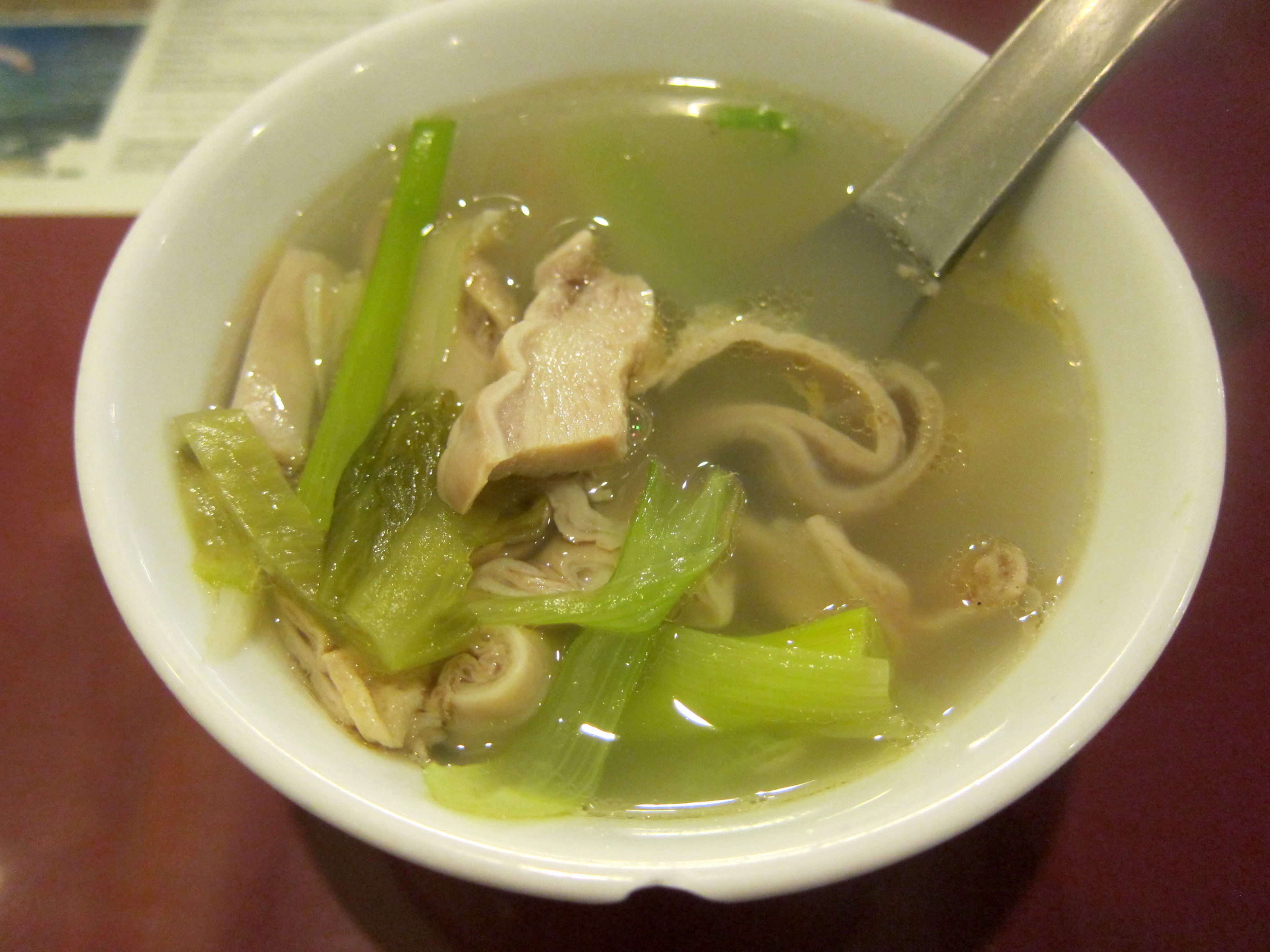
twr-pickled-cabbage-soup
Currently, this is my favorite soup in the whole Bay Area (not counting noodle soups, of course!). Nowhere else serves it. (The second time I ordered it, the waiter skeptically asked me if I knew what it was.) The pickled cabbage (Chinese pickled cabbage, similar to Vietnamese dưa muối) makes the broth sour and clear, the pork tripe is chewy and smooth. I would drink it to the last drop, and it delights even a grumpy stomach.
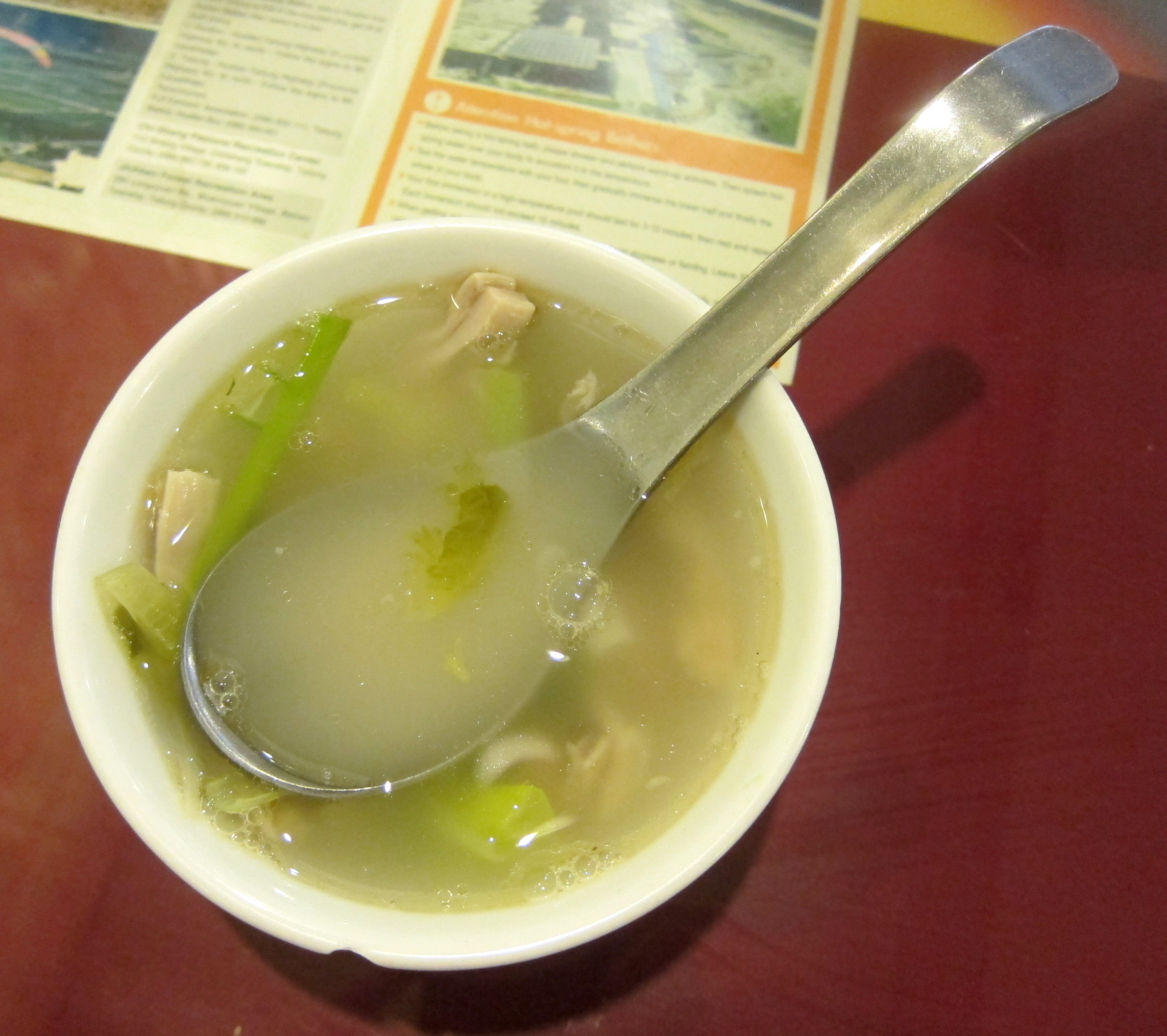
twr-soup-spoon
I’ve never seen such a spoon before.

twr-pig-ears
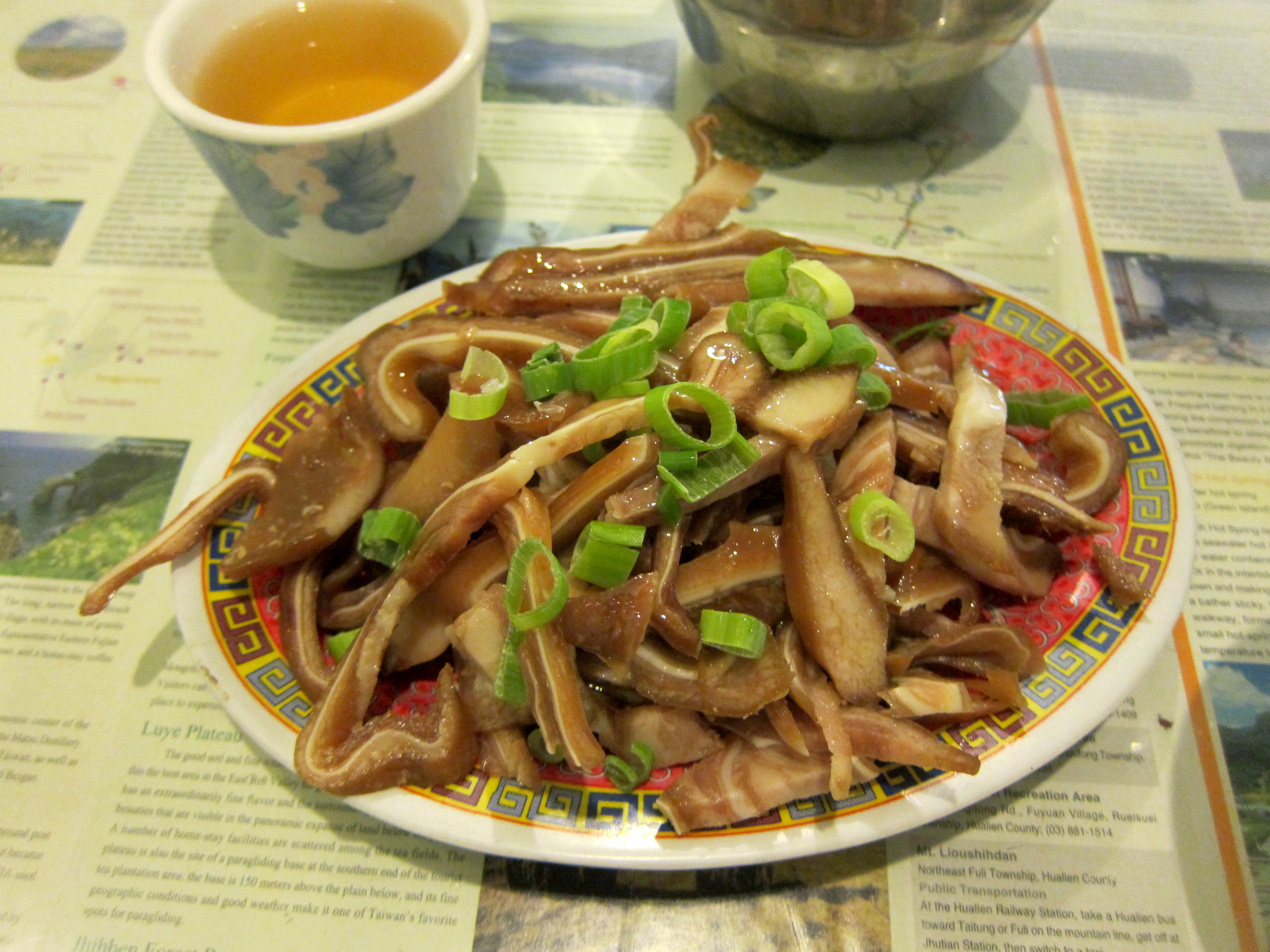
Much to Mom’s chargrin, I pay no heed to the cleanliness behind the scene when I order at restaurants. Pig ears are crunchy and not so fatty – good enough for me (^_^).
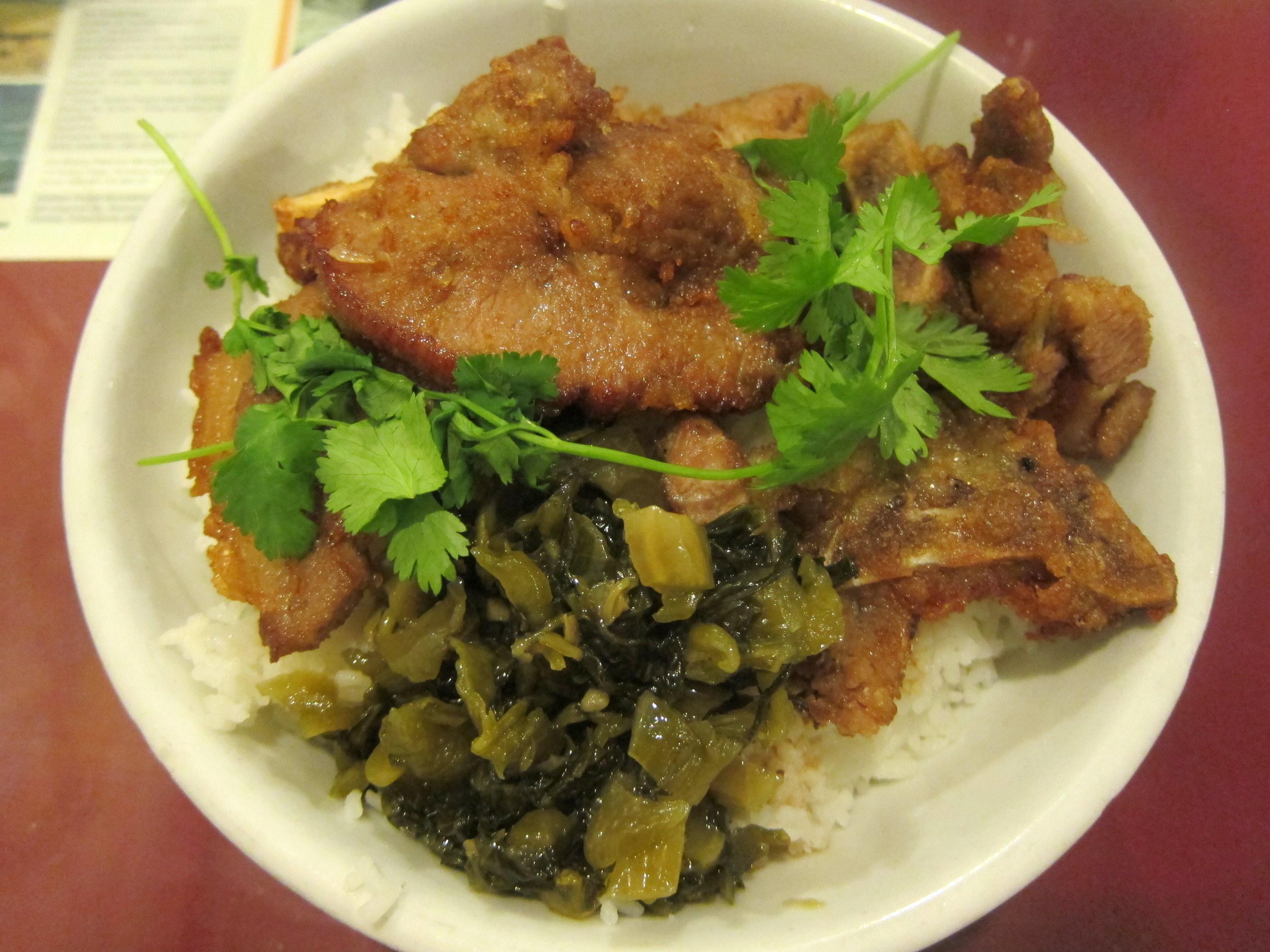
twr-fried-pork-chops
Kristen introduced me to this dish – fried pork cutlet on rice with sweet pickled greens. It’s actually pretty oily, but the rice is soaked with the sweet and savory pork sauce… I intended to save half for the next day but in the end I cleaned up the bowl.
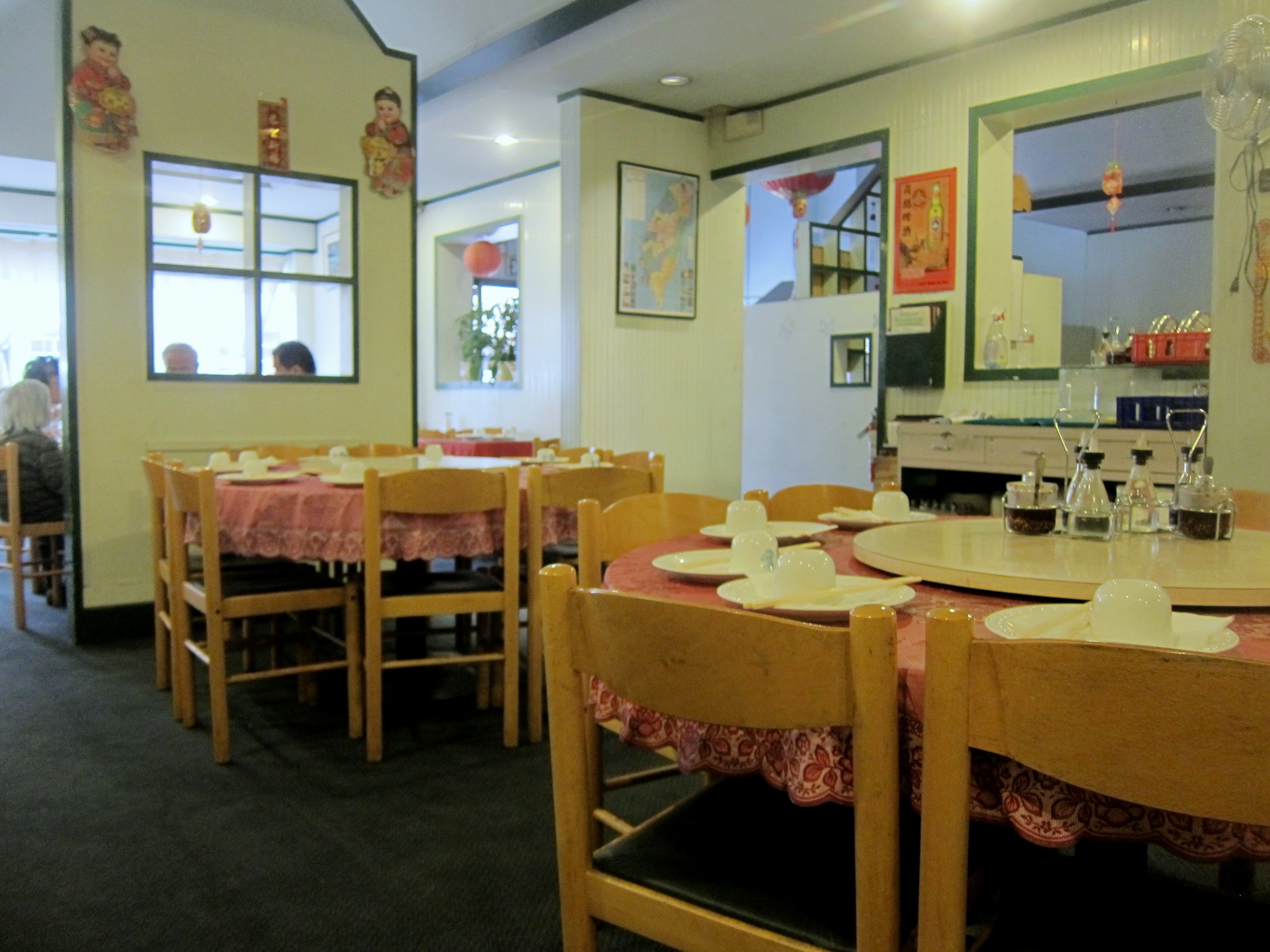
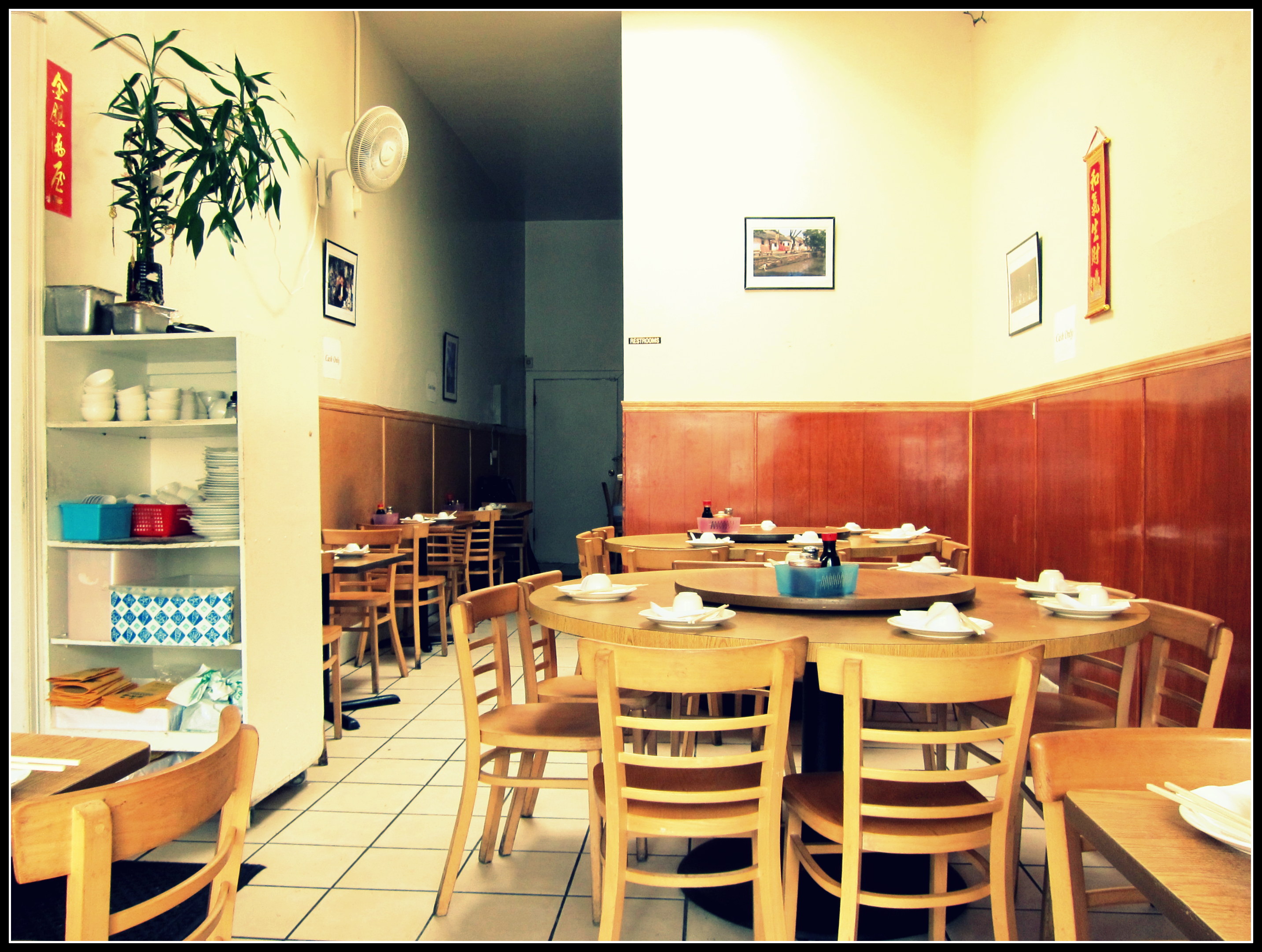
taiwan-restaurant-berkeleyThe last time I went, I paid a little more attention to the decoration (because the server forgot to bring me my pork, and I was just sitting there nibbling on the pig ears pretending to be cool). It looks rather classically Chinese – red lanterns and red table-clothed tables, all faded into a shade of cerise – hinting at some forgotten intention of being on the higher end. At the very least, it was set up to be a restaurant, not a simple food shack. Yet the food is cheap (these 3 dishes plus tip cost a meager $20.66), the atmosphere is utterly casual, and customers like me don’t ever think of its food as more than comfort food. The Taiwan Restaurant is, as its website claims, “the first restaurant in this country to serve Taiwan’s version of China’s epicurean delights”. I felt somewhat sad thinking that it has lost the glory that it might have once had.

The most pleasant surprise that prompted me to write about it was actually its tea. You know how all Chinese restaurants serve some kind of watered down “tea”, usually jasmine-flavored? The Taiwan restaurant actually serves Baochong. Watered down, but it’s still a legitimate Taiwanese oolong. I don’t know why I didn’t notice this before, but now that I have, I have enough reasons to recommend this restaurant to everyone. It is indeed “good enough”.

Address: Taiwan Restaurant
2071 University Avenue,
Berkeley, California
(510) 845-1456
Hong Kong Lounge – it’s never too early for dimsum and tea

April 13, 2013 By: Mai Truong Category: California - The Bay Area, Chinese, Drinks

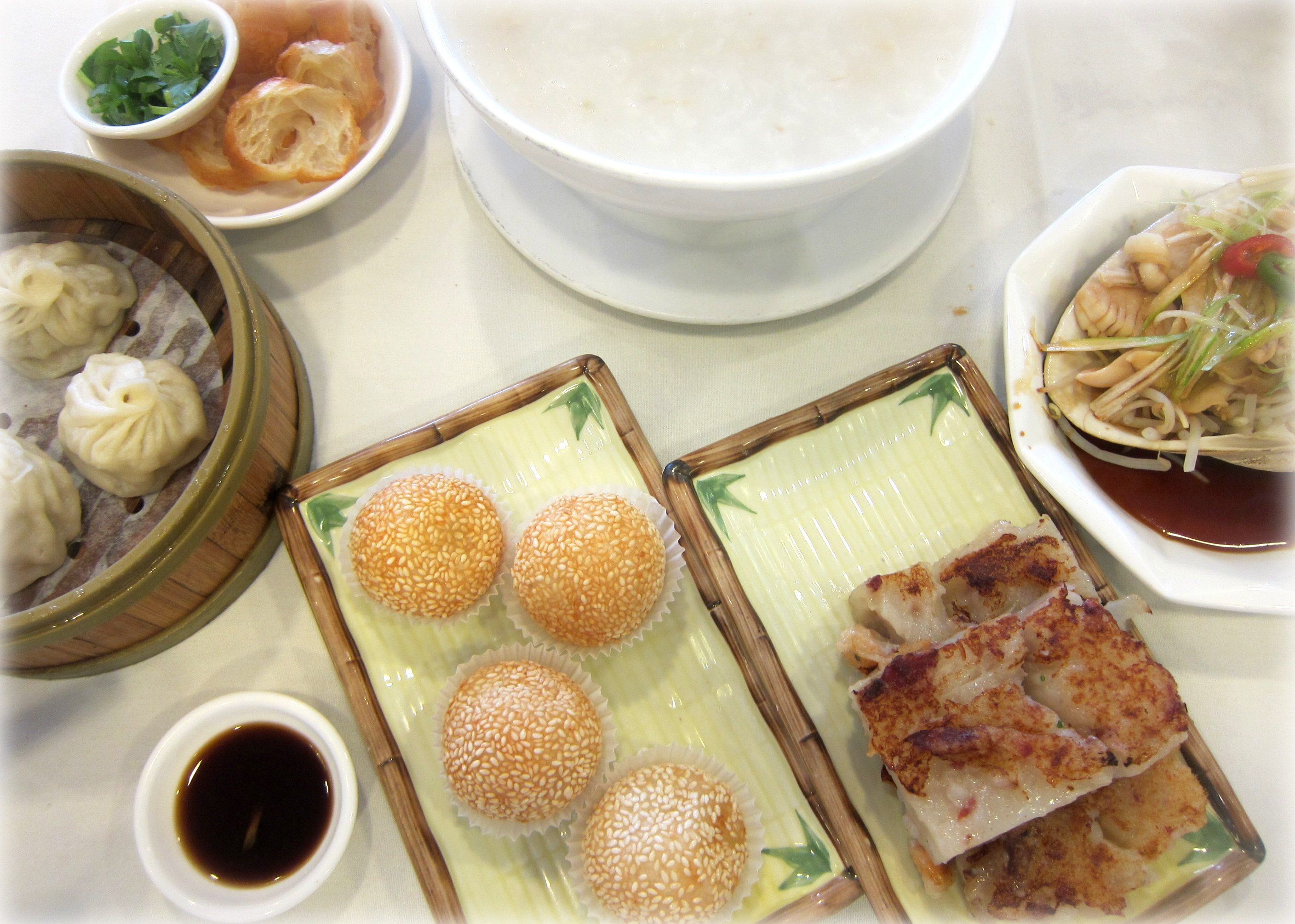
hkl-foods
Above is our table at 10 a.m. (after we have cleared the first few dishes).

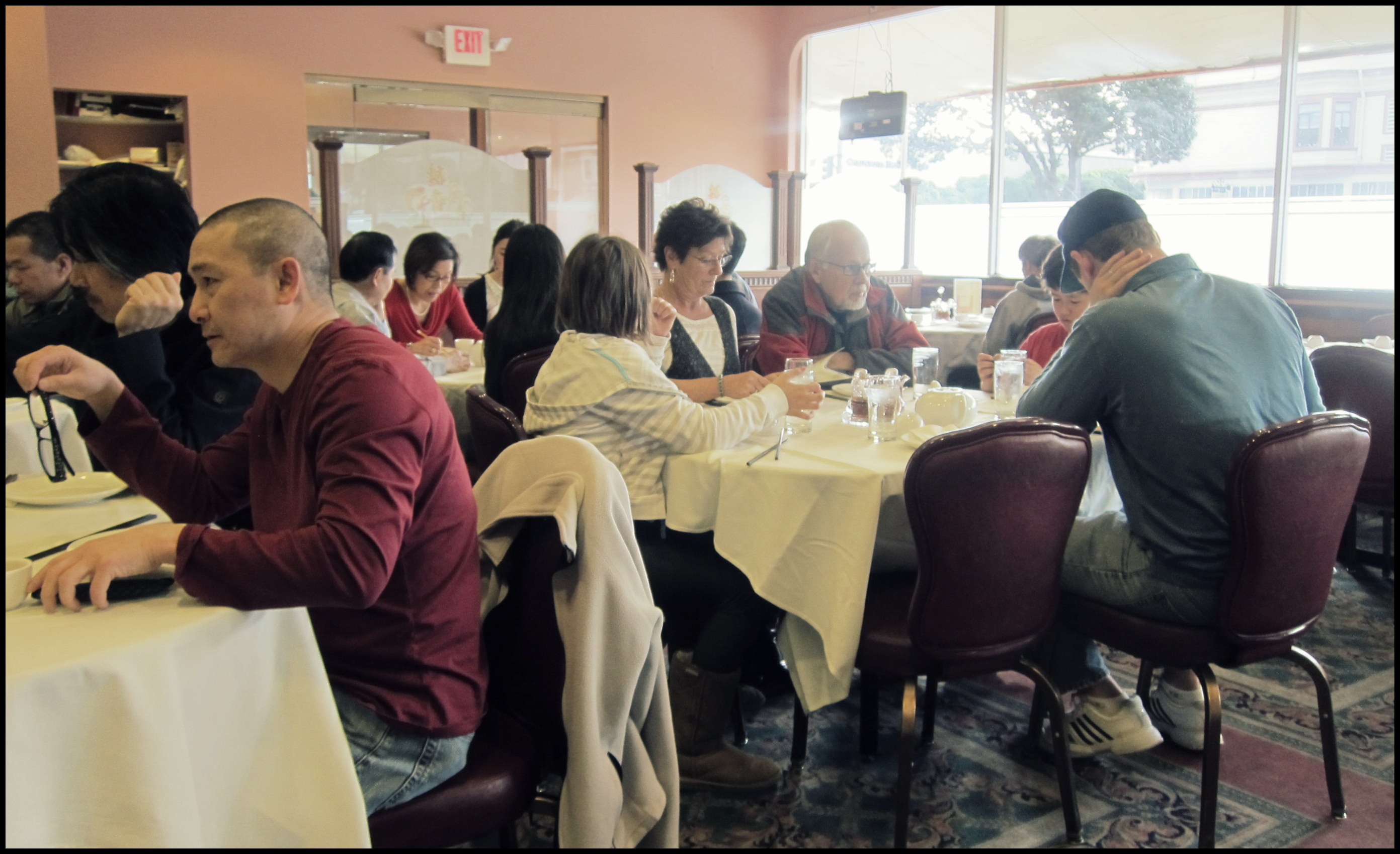
hongkong-lounge-sfTo your right is Hong Kong Lounge at 9:31 a.m., exactly 1 minute after the doors opened.

Every seat was filled. When we arrived at Hong Kong Lounge at 9:10, 20 minutes before the restaurant opens, a line had already formed. While we were eating, the line formed again outside and kids were pressing their face against the frosted windows to peak at people’s plates. I’d imagine it’d feel a bit weird if you’re seated by the window.

Luckily, we were safely tucked in by the back wall, and as common practice in every dining experience with Nancy (for example, here, here, and here), we brewed our own tea. Taiwan Beauty – citrusy and light; aged Baochong – plumy and coffee, subsequently smoky; Yushan High Mountain oolong – just light, Nancy detected a fantastic smell that I couldn’t because I was already in a food-induced stupor when we steeped this tea.

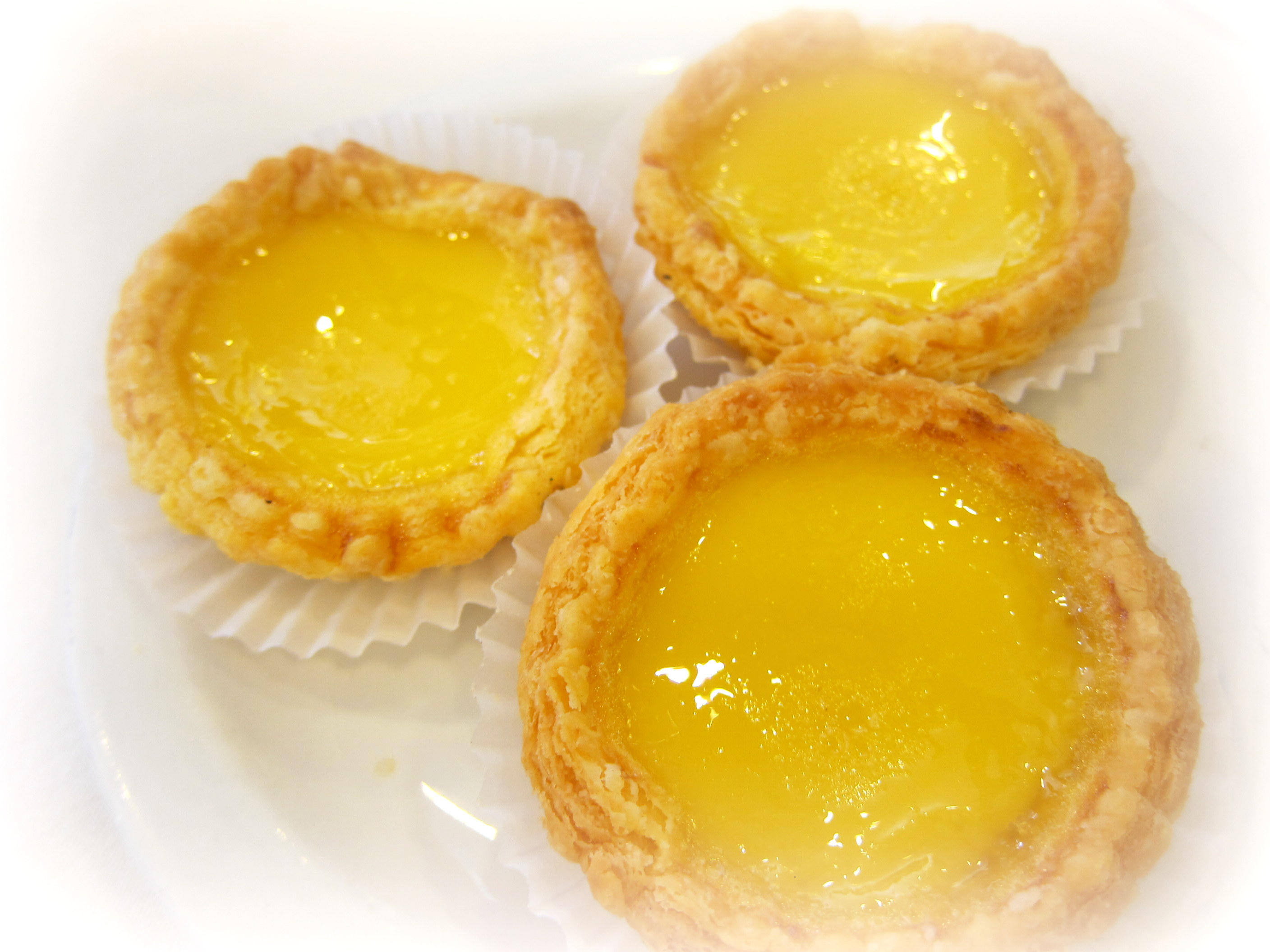
The food came out too fast for us to really sample the teas with everything. We had to focus on not oversteeping while clearing the plates for more table space. But some combinations stood out memorably: Taiwan Beauty + porridge (so floral), Baochong + egg custard (the Baochong brings out the pastry), and Yushan + egg custard (the Yushan makes it more eggy)

Marinated chicken "paws" ($6.50) - cold with peanuts

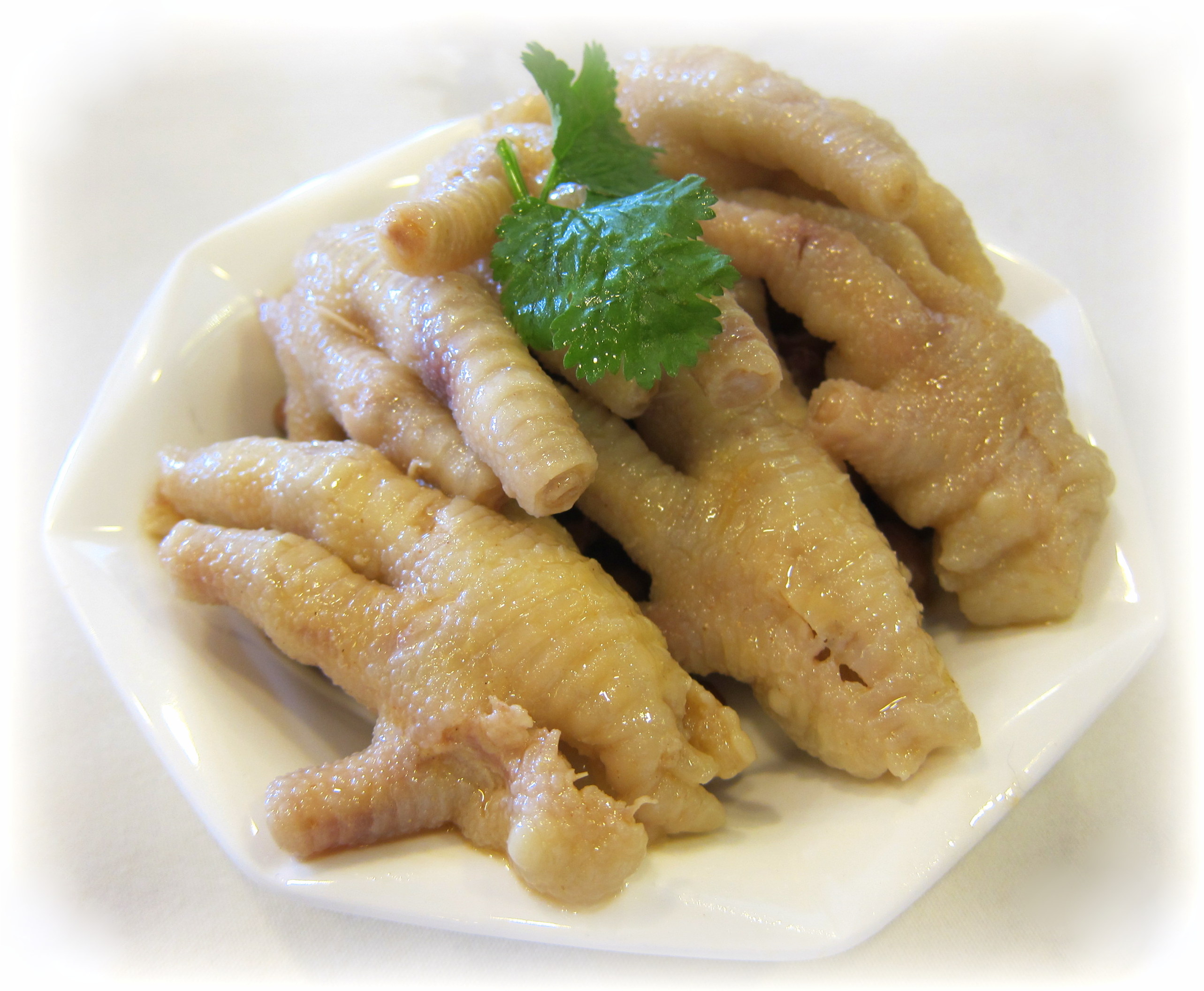
Marinated chicken “paws” ($6.50) – served cold with boiled peanuts. I like the texture but Kristen didn’t. And why serve it cold?

Baked pork buns ($3.95)

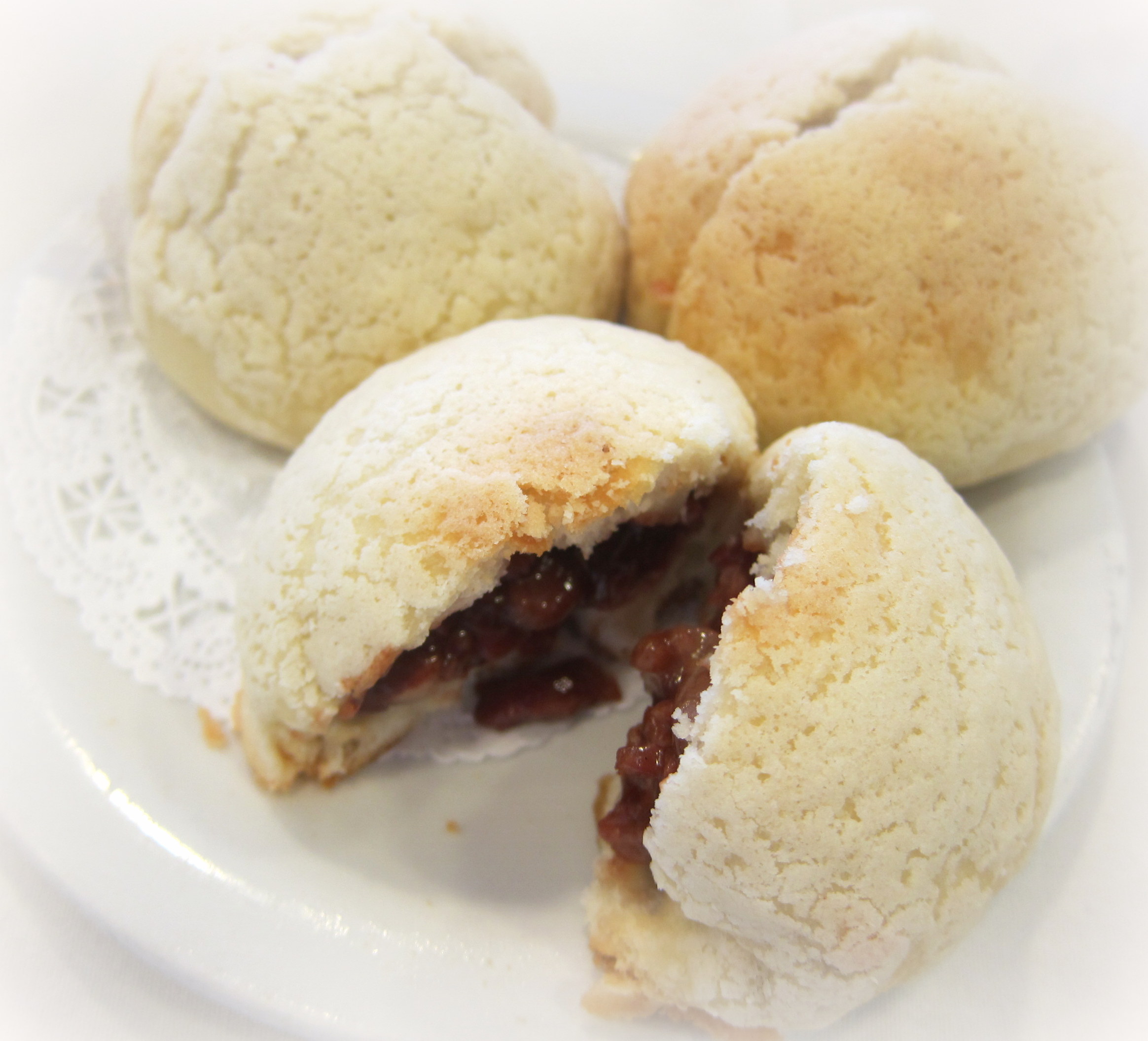
Baked pork buns ($3.95) – The winner of the day. These baked buns are better than the usual steamed BBQ pork bun. They look dry but didn’t taste dry. Minor setback: the inside is a bit too sweet and completely overwhelmed the Taiwan Beauty and the Baochong.

Egg tarts ($3.75) - very eggy

Egg tarts ($3.75) – very eggy.

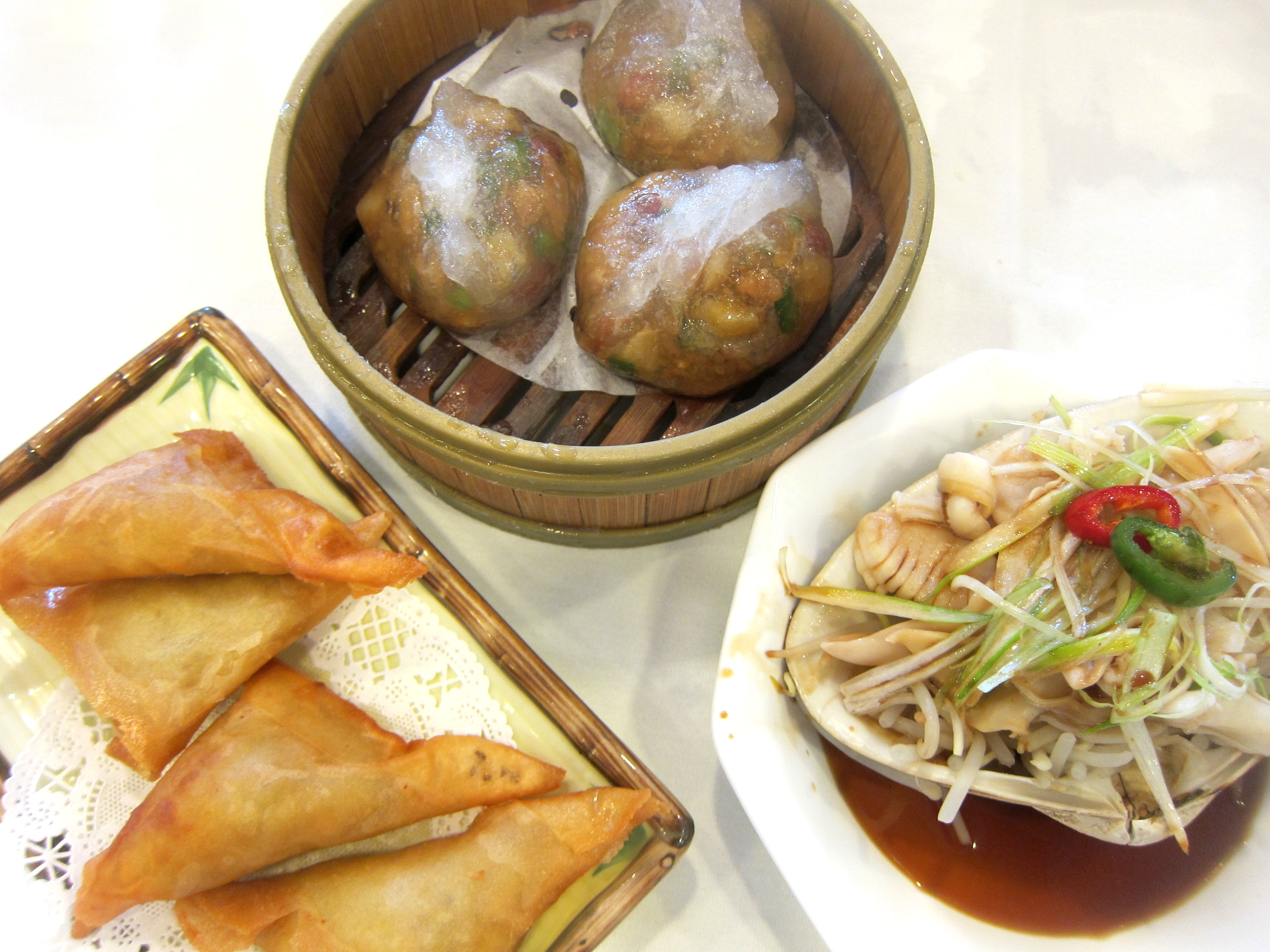
Clockwise from top: Chiu Zhou dumpling ($3.95), steamed clam ($6.95), curry chicken samosas ($3.25)

Clockwise from top: Chiu Zhou dumpling ($3.95), steamed clam ($6.95), curry chicken samosas ($3.25) – The Chiu Zhou dumplings with their thick clear skin are extremely heavy and coated in oil, but their redeeming point is the actual big plump shrimps inside, instead of the usual dried shrimps in cheap dumplings. Steamed clam is flavorful, and I usually have fond memories of chewy things. Samosas are just samosa.

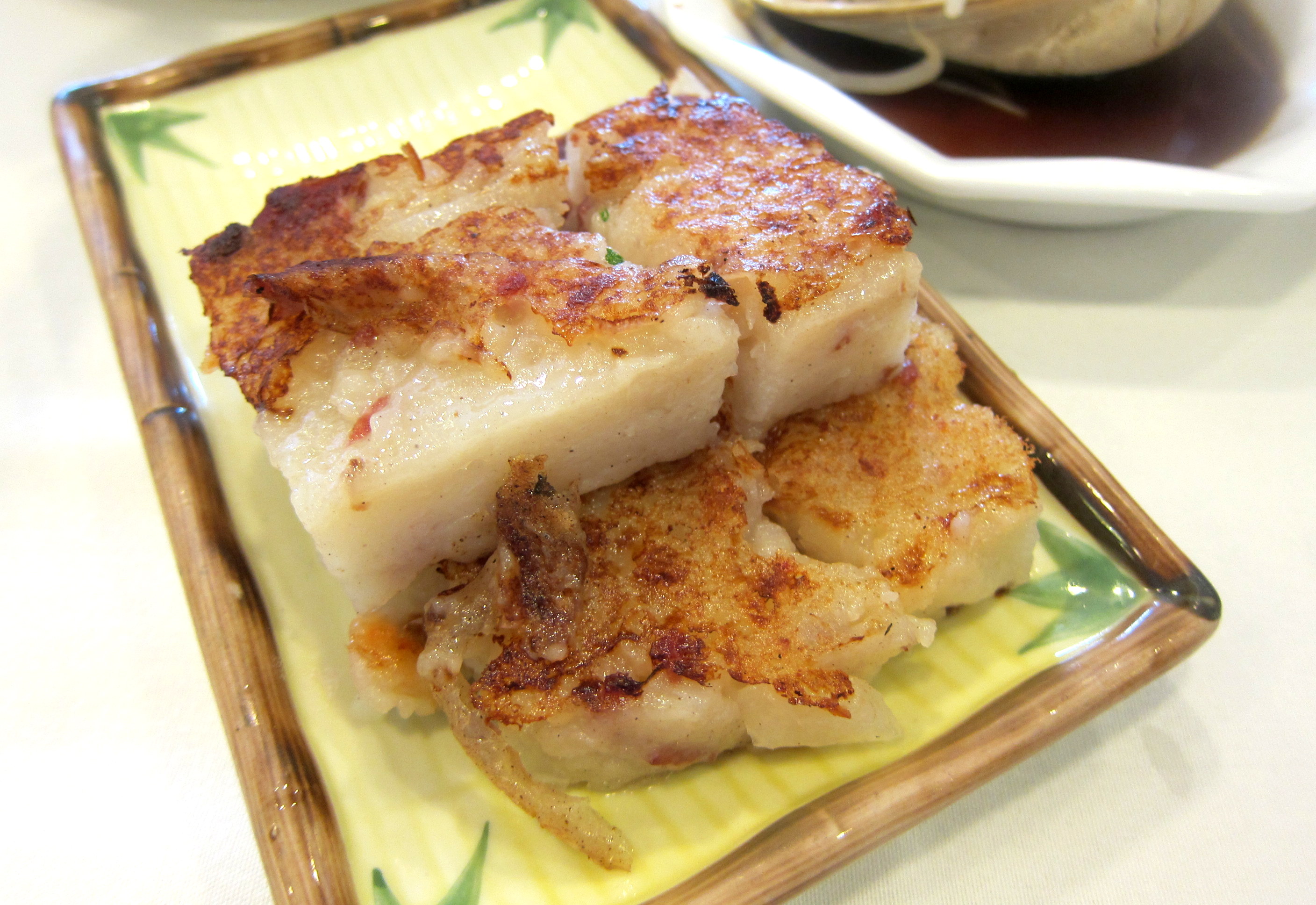
Pan-fried turnip cake ($2.95) - pretty good

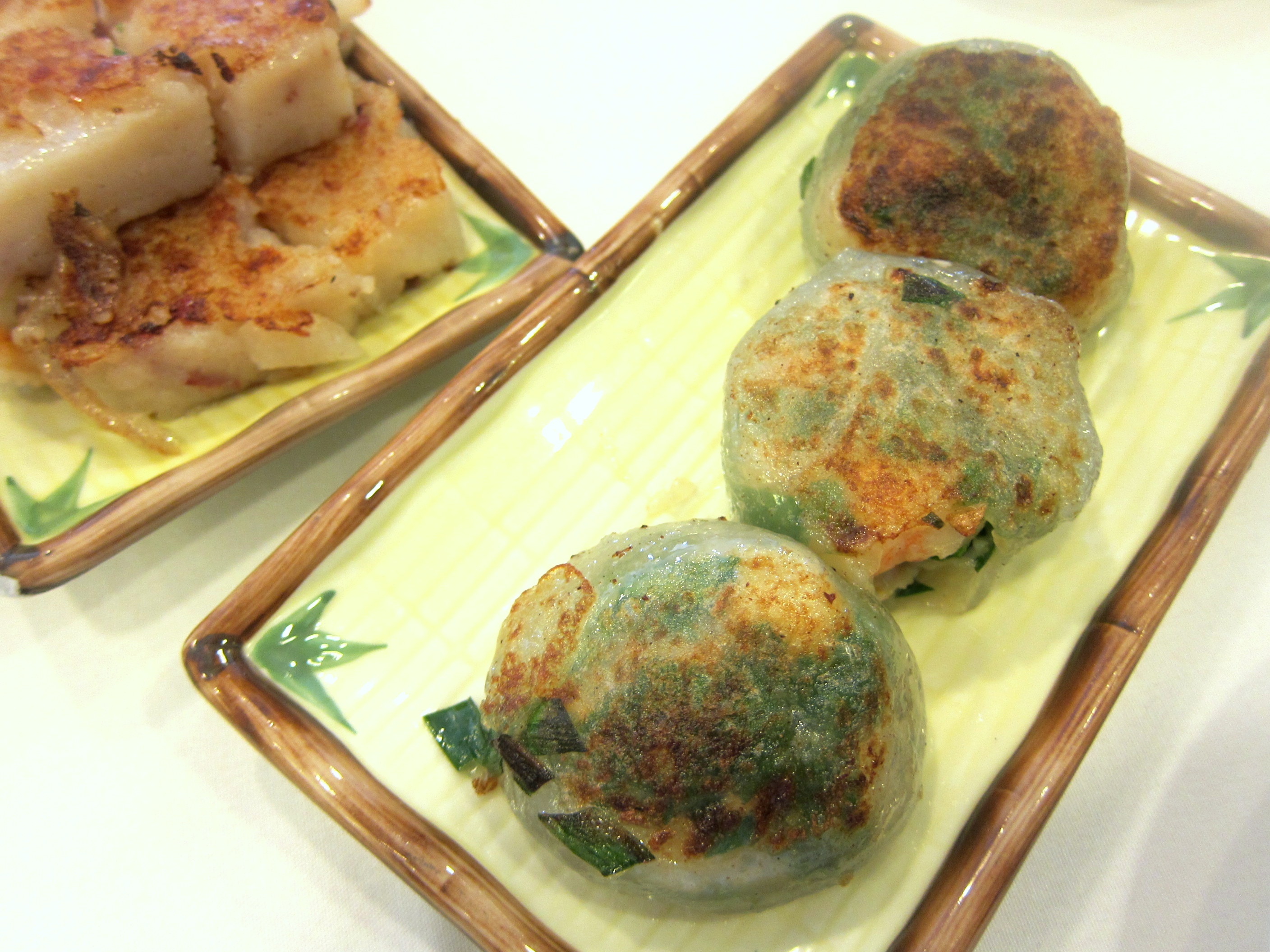
Pan-fried turnip cake ($2.95) – Much better than any turnip I’ve had. That said, turnip cakes aren’t my favs because of their oily, pulverizable mushiness.

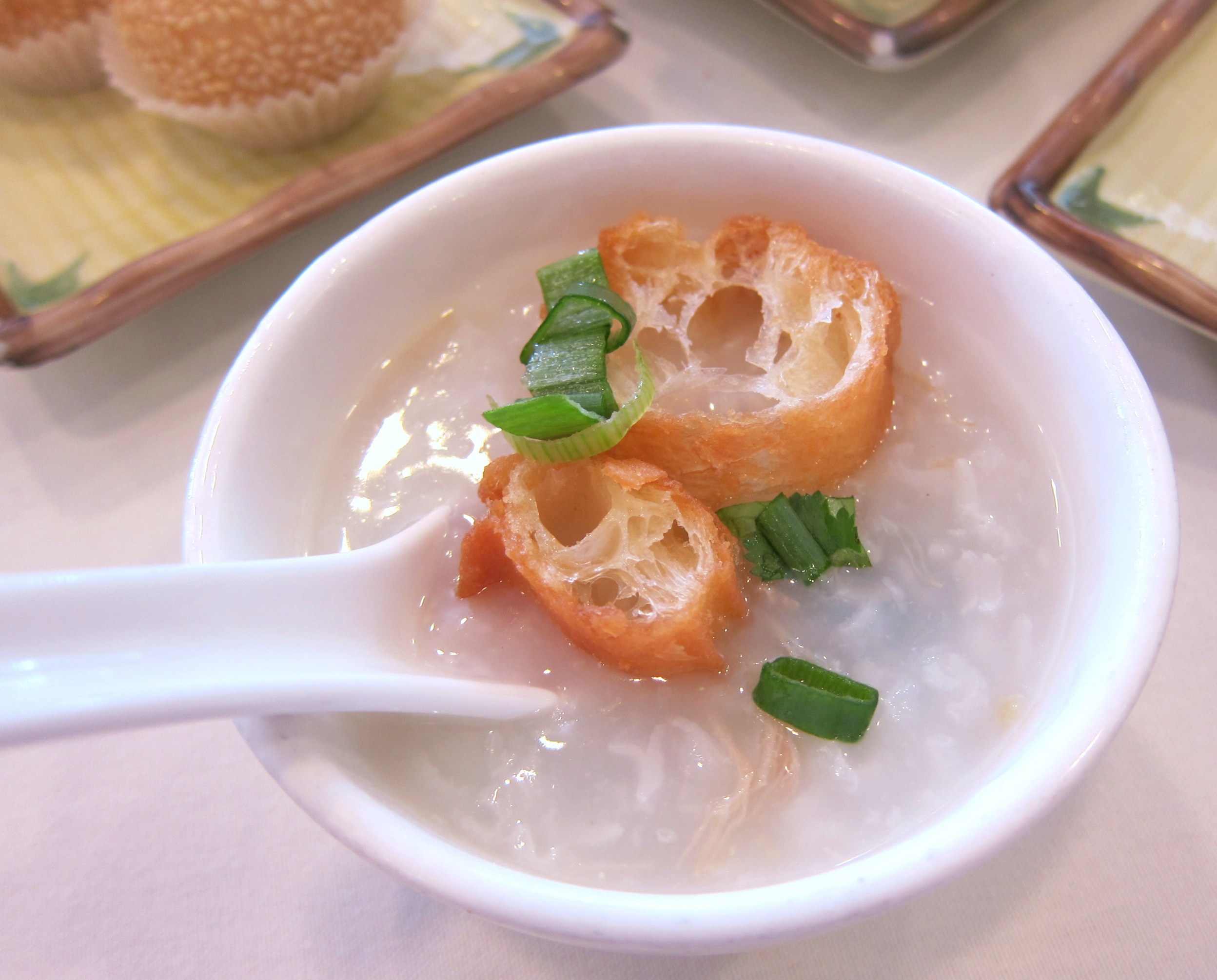
Salted "meat porridge" ($6.50) - I don't remember seeing any meat, but there were pieces of eggs

Salted “meat porridge” ($6.50) – I don’t remember seeing any meat, but there were pieces of pidan (thousand-year egg). The porridge tastes very mild, the accompanying yau ja gwai are crisp and not too oily. Overall, a pleasantly light note in the middle of this butyraceous meal.

Shrimp chive dumpling ($4.95)

Shrimp chive dumpling ($4.95)

Pan-fried shrimp-and-chive dumpling ($3.95)

Pan-fried shrimp-and-chive dumpling ($3.95)

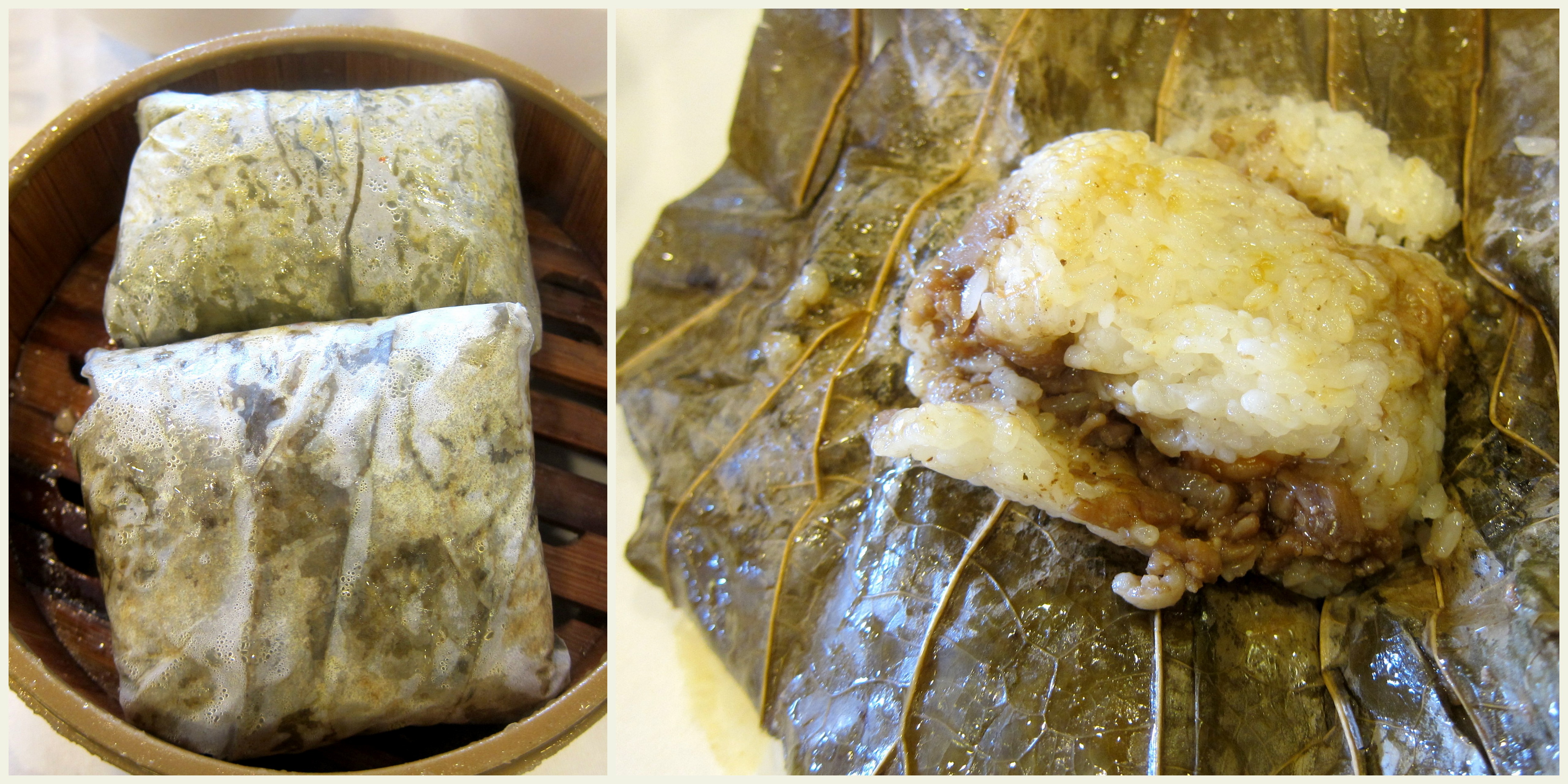
Lo mai gai ($4.25) - sticky rice with chicken wrapped in lotus leaf

Lo mai gai ($4.25) – sticky rice with chicken wrapped in lotus leaf. The rice, surprisingly, did taste and smell like lotus. I liked it, but again, I’m not a fan of the sweet meat stuffing.

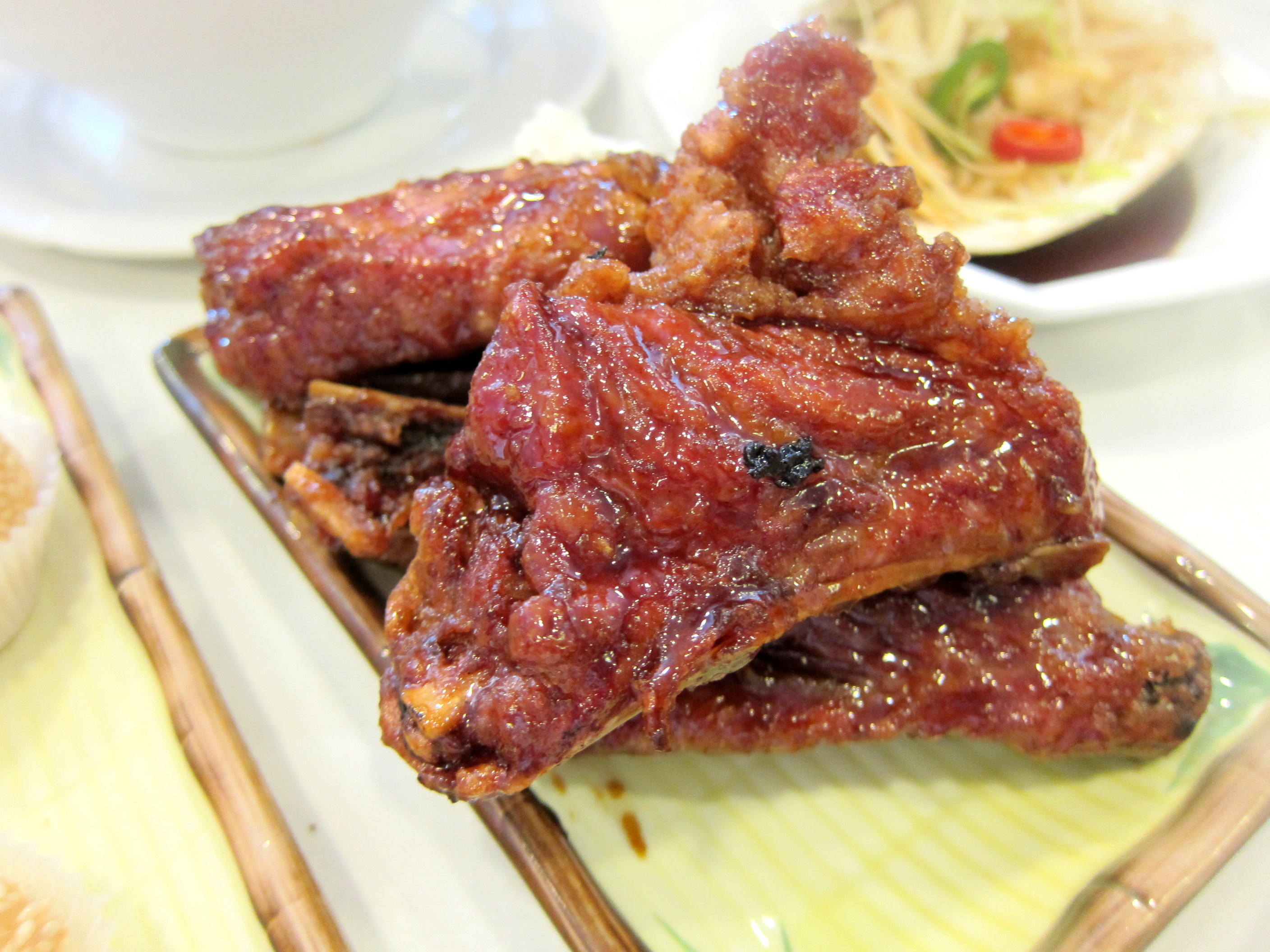
Coffee pork ribs ($6.50) - weird but tasty

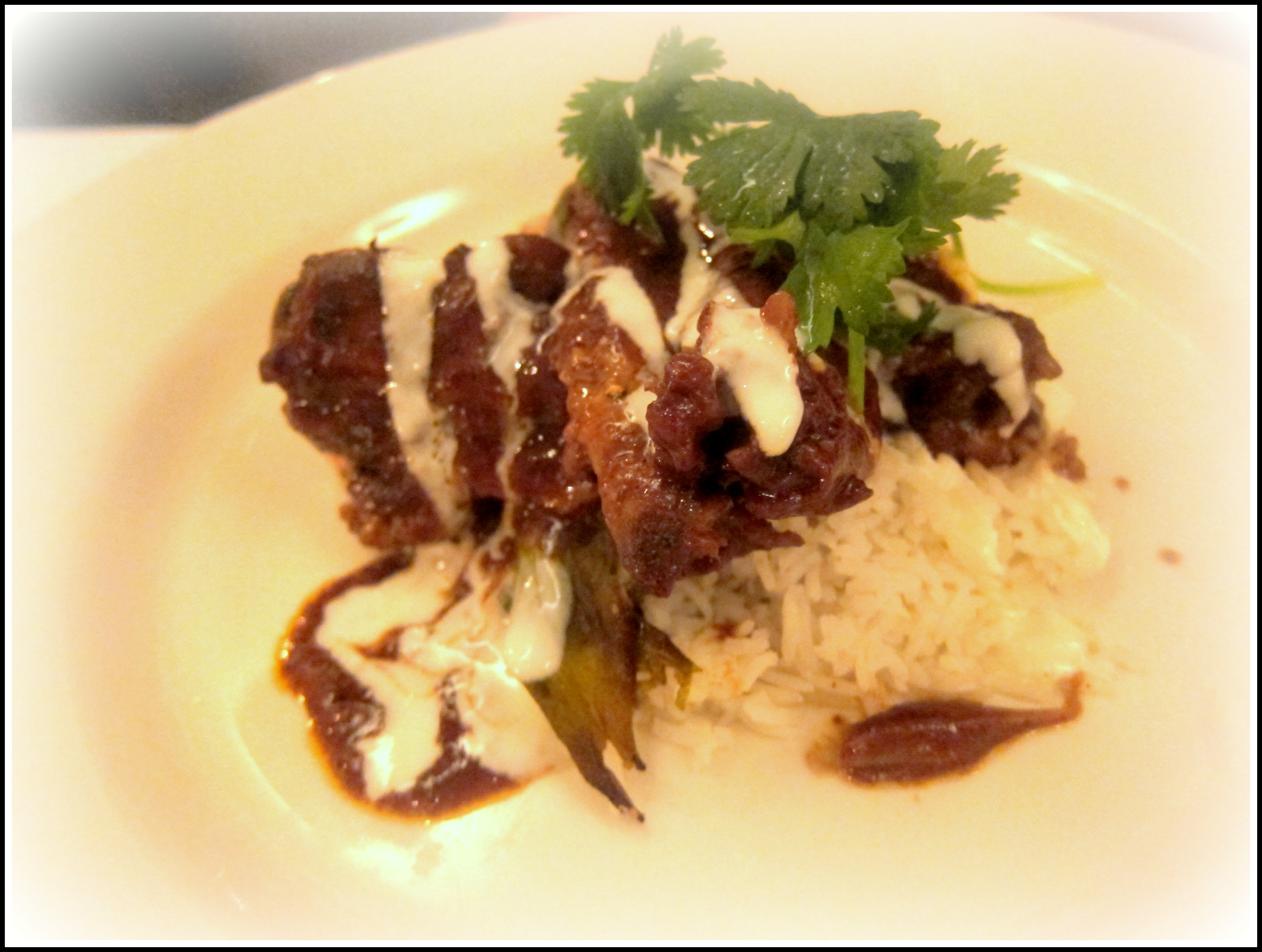
Coffee pork ribs ($6.50) – The ribs didn’t fall off the bone but their coating sauce made up for the toughness. Not visible in this picture is a dollop of whipped cream to spread onto the ribs. It’s weird, but it made the ribs creamy and milky, and strangely tasty.

Two setbacks at Hong Kong Lounge: they charge us for hot water (we needed hot water to make tea), and the xiao long bao didn’t contain enough soup (Shanghai Dumpling King’s xiao long bao are soupier than these). But if you don’t mind either getting up at an ungodly hour on a Sunday morning or waiting in line for forever, Hong Kong Lounge doesn’t disappoint.

Address: Hong Kong Lounge
5322 Geary Blvd
San Francisco, CA 94121
(415) 668-8836
hongkonglounge.net
(They don’t take reservation, though)

Andy Warhol, kokeshi dolls, and oden

February 19, 2013 By: Mai Truong Category: Drinks, Japanese, Opinions, sweet snacks and desserts, The more interesting

Togamis-dinner-portion-for-one

In Europe the royalty and the aristocracy used to eat a lot better than the peasants – they weren’t eating the same things at all. It was either partridge or porridge, and each class stuck to its own food. But when Queen Elizabeth came here and President Eisenhower bought her a hot dog I’m sure he felt confident that she couldn’t have had delivered to Buckingham Palace a better hot dog than that one he bought for her for maybe twenty cents at the ballpark. Because there is no better hot dog than a ballpark hot dog. Not for a dollar, not for ten dollars, not for a hundred thousand dollars could she get a better hot dog. She could get one for twenty cents and so could anybody else.
– Andy Warhol

Why is that ballpark hot dog the best hot dog? Because the ballpark hot dog seller sells nothing but hot dogs. You can’t beat someone who does it day in and day out, a thousand times and another thousand times more often than you.

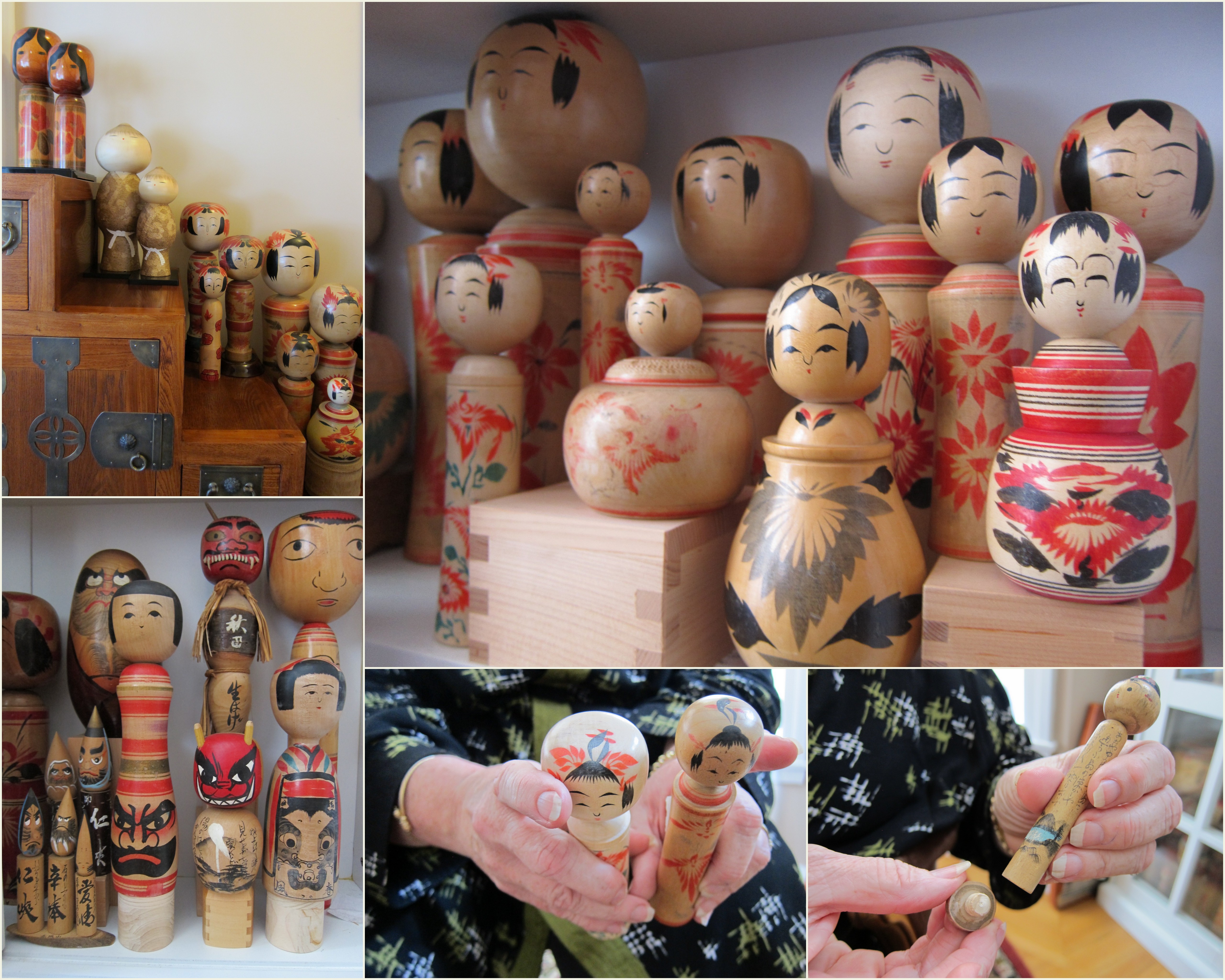
Every time I look at Nancy Togami’s collection of hundreds of kokeshi, I’m reminded of this championship of experience. Each kokeshi artist carves the same shape, paints the same eyebrows, creates the same facial expression for one doll after another. After each doll, he’s one step closer to perfecting it.

After each oden, Nancy is one step closer to perfecting her oden. And umeboshi. And seared tuna with avocado, frisée, enoki, daikon and tobiko.

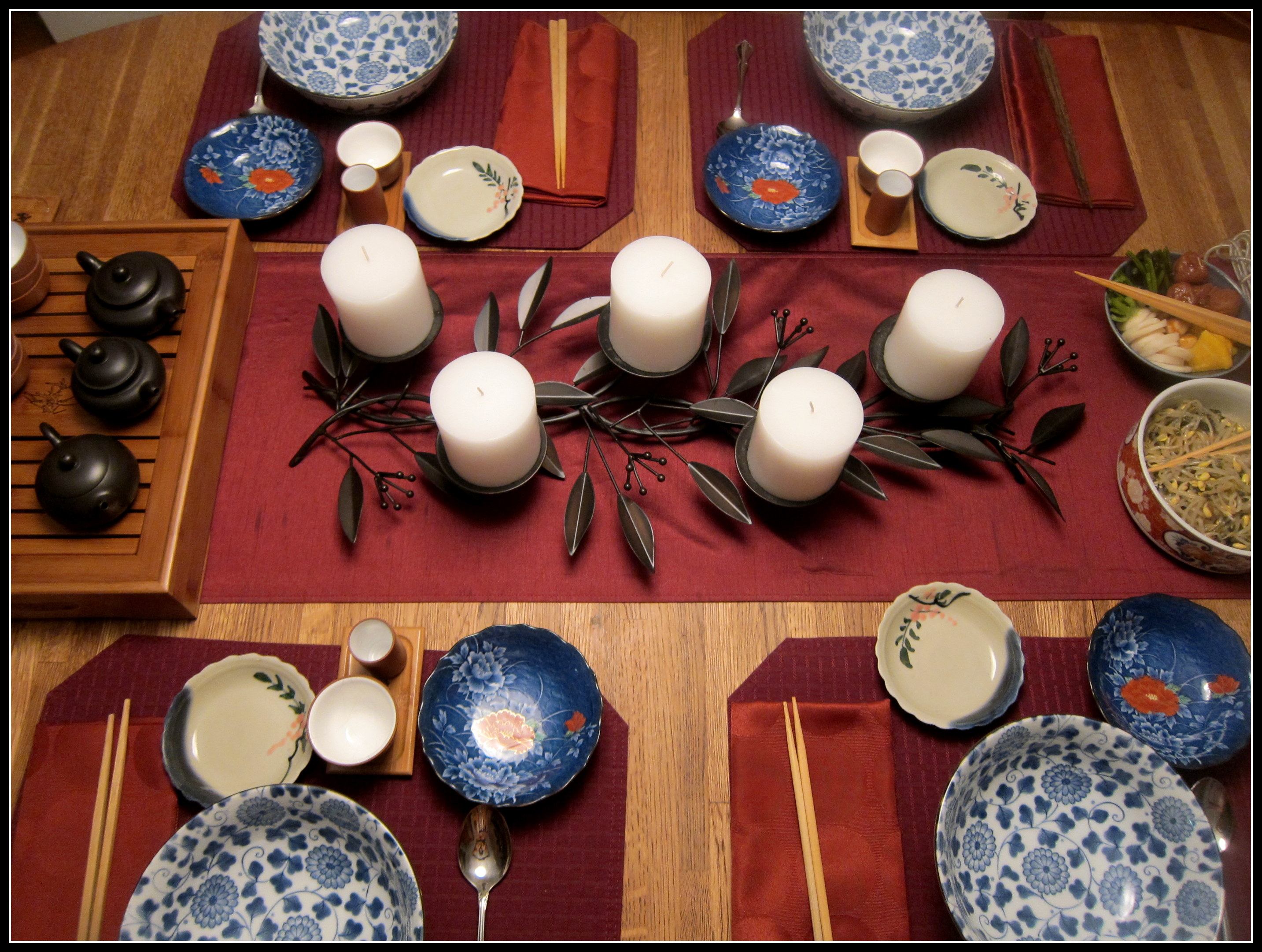
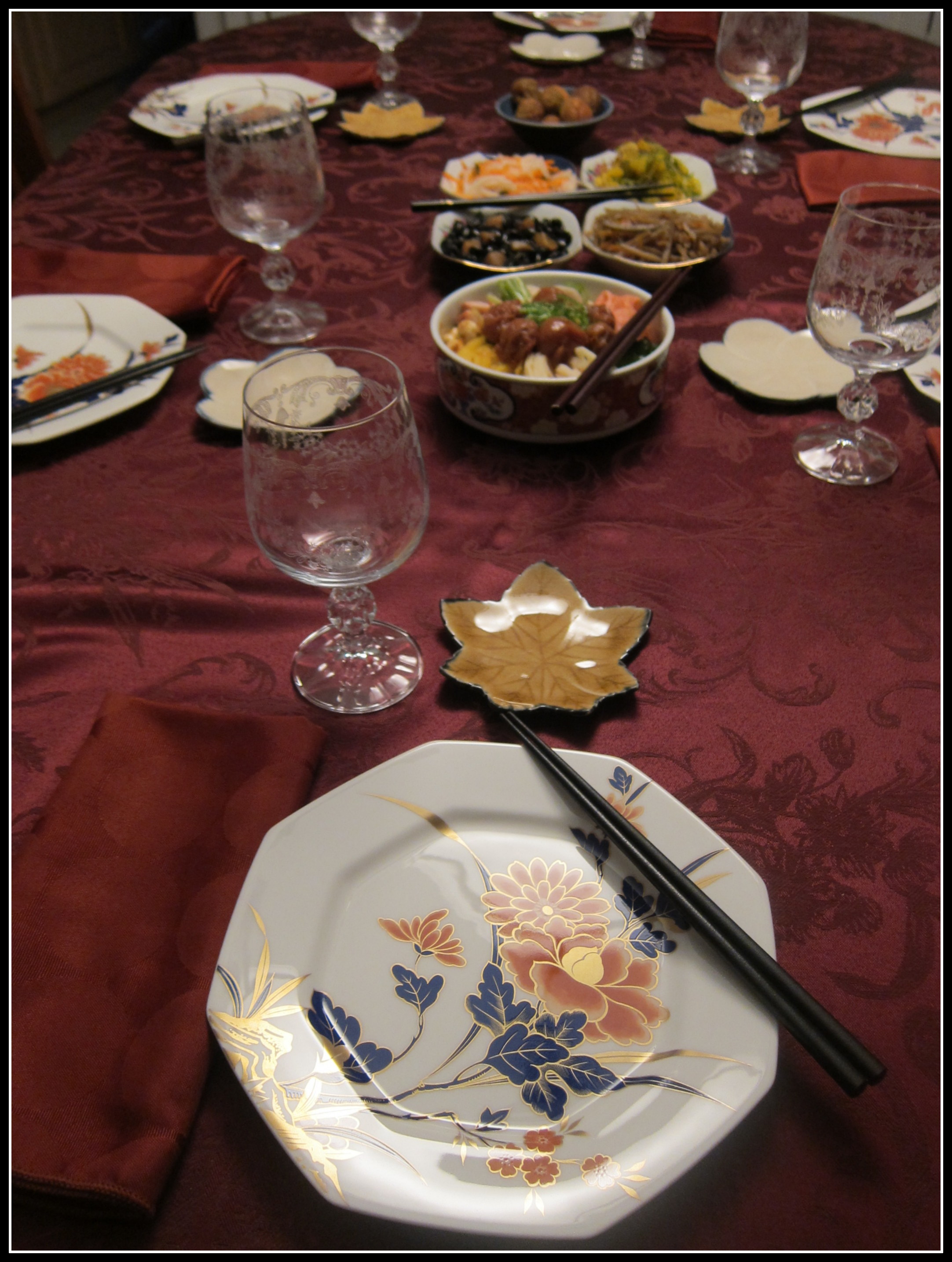
Togamis-dinner-table-is-set
Togamis-dinner-table-is-set-2

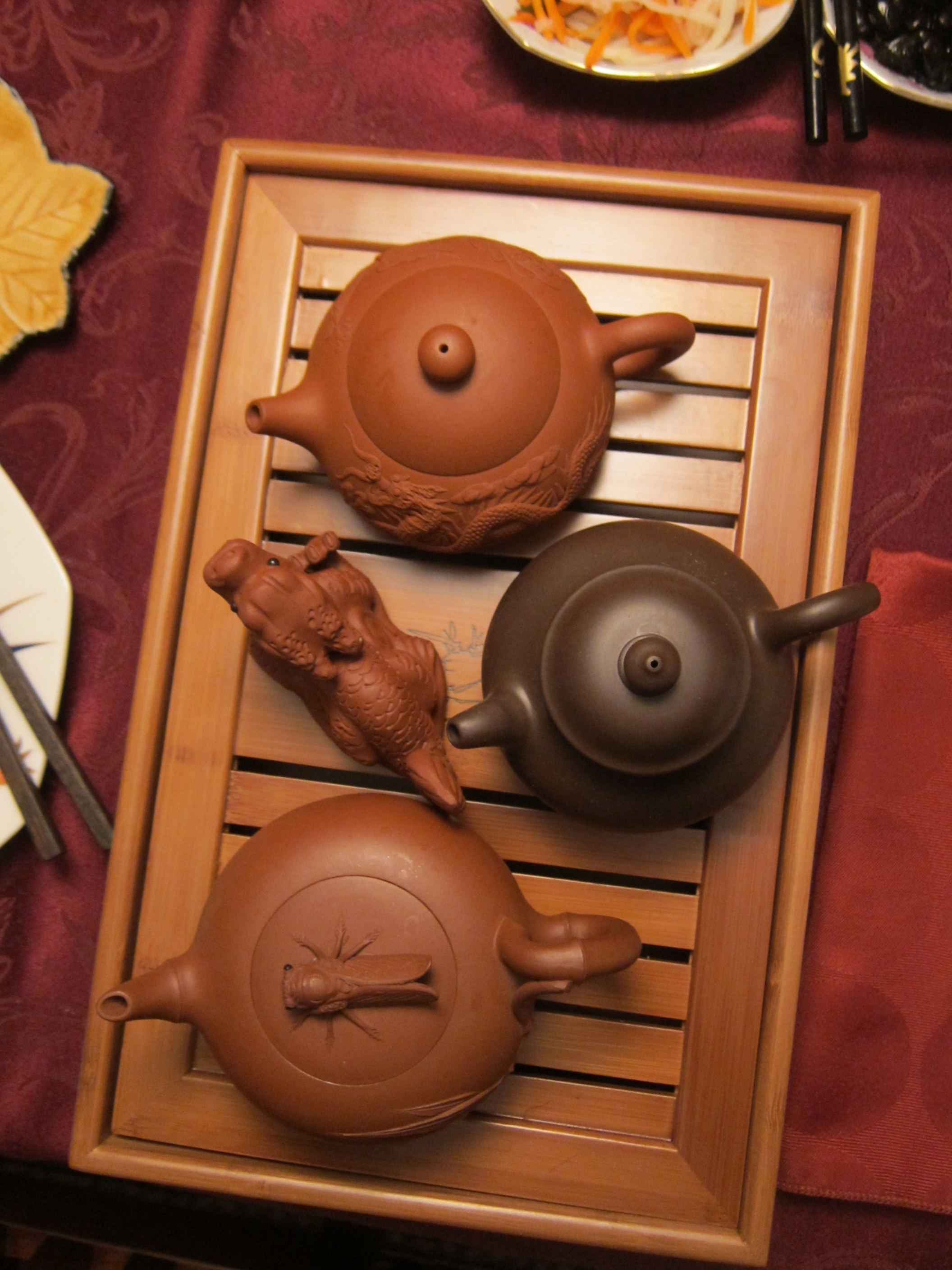
Three yixing teapots for three kinds of tea.  We started off with Buddha's Hand and Tung Ting Cold Summit, then finished with Medium Roast Tieguanyin. The Tung Ting was surprisingly long-lasting even after the fifth infusion.

Three yixing teapots for three kinds of tea.
We started off with Buddha’s Hand and Tung Ting Cold Summit, then finished with Medium Roast Tieguanyin. The Tung Ting was surprisingly long-lasting even after the fifth infusion.

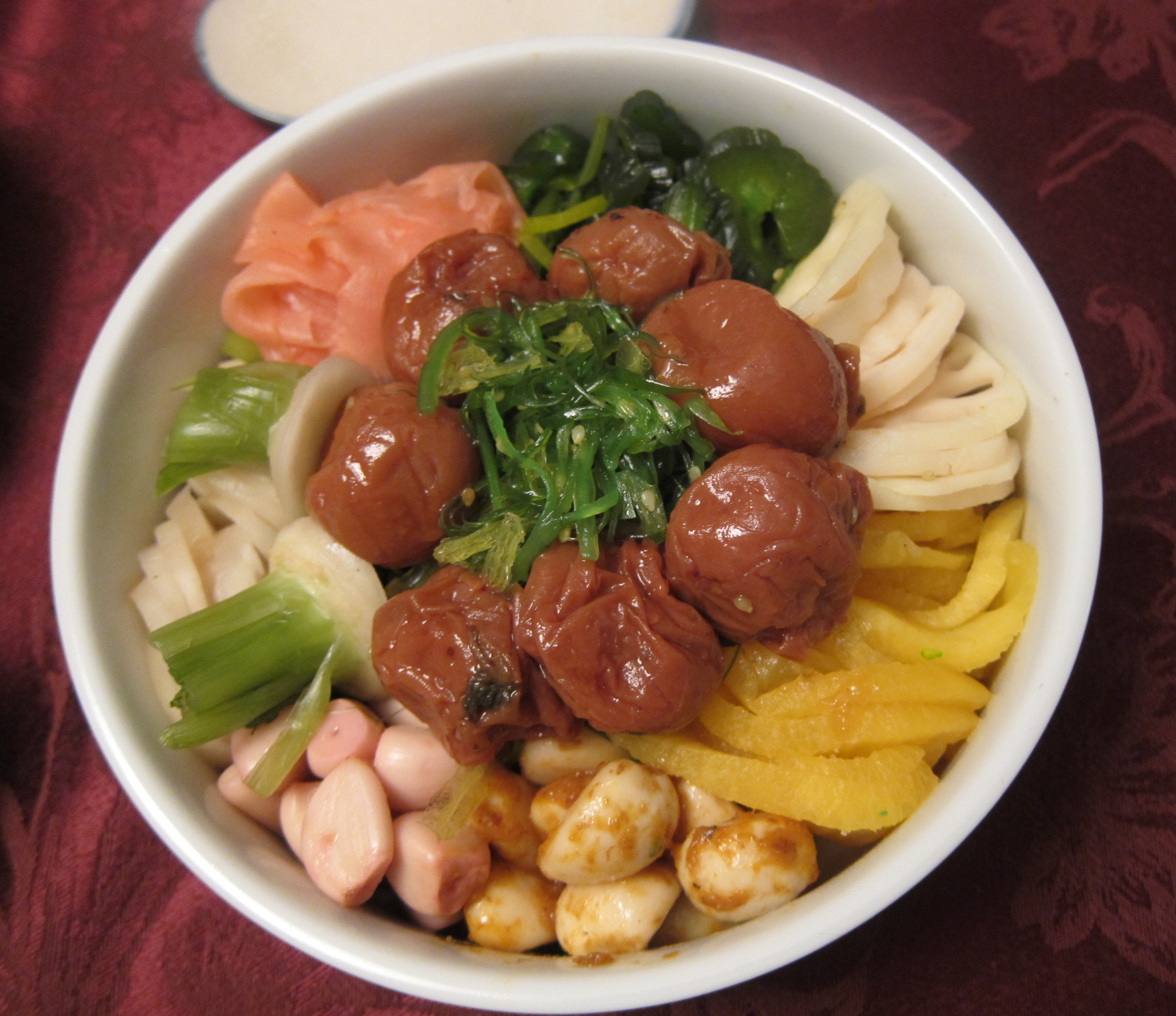
Seaweed salad and Nancy's homemade umeboshi in the middle. Tsukemono (clockwise from the pink ginger): pickled ginger, pickled cucumber, lotus root, takuan, miso-pickled garlic, and cured garlic (also pink). " src="https://flavorboulevard.com/wp-content/uploads/2013/02/Togamis-dinner-umeboshi-and-other-tsukemono-600x450.jpg" width="600" height="450" /> Seaweed salad and Nancy's homemade umeboshi in the middle. Tsukemono (clockwise from the pink ginger): pickled ginger, pickled cucumber, lotus root, takuan, miso-pickled garlic, and cured garlic (also pink)

Seaweed salad and Nancy’s homemade umeboshi in the middle. Tsukemono (clockwise from the pink ginger): pickled ginger, pickled cucumber, lotus root, takuan, miso-pickled garlic, and salt-cured garlic (also pink).

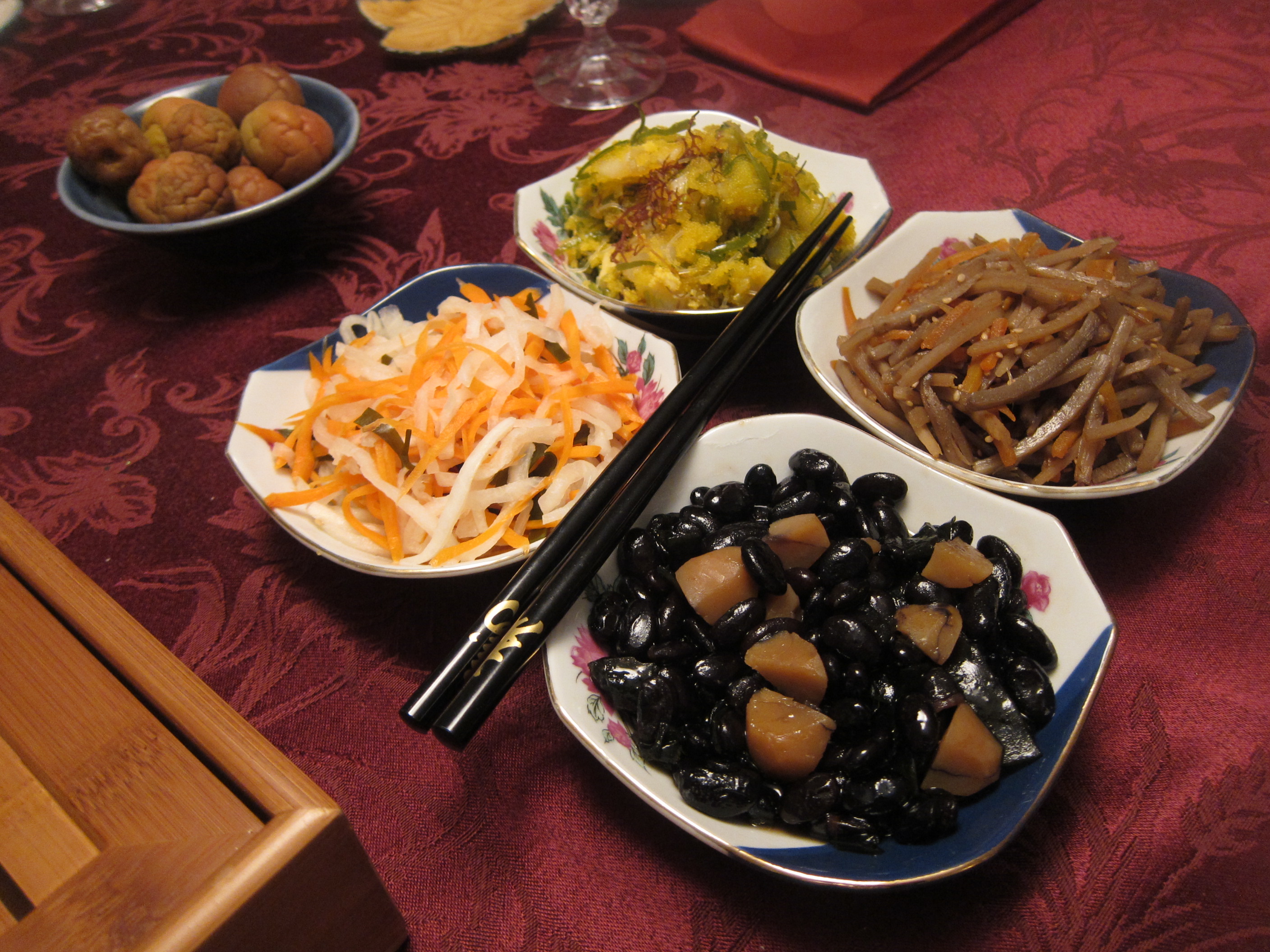
More side dishes. "Red and White" carrot and daikon (salted and seasoned with sweet rice vinegar), abalone salad with tobiko, burdock root and carrot kimpira, and black beans.

More side dishes. “Red and White” carrot and daikon (salted and seasoned with sweet rice vinegar), abalone salad with tobiko, burdock root and carrot kimpira, and black beans.
The Buddha’s Hand oolong made a nice pairing with the pickled vegetables, as it emphasizes the vegetal freshness and floralized the aroma.

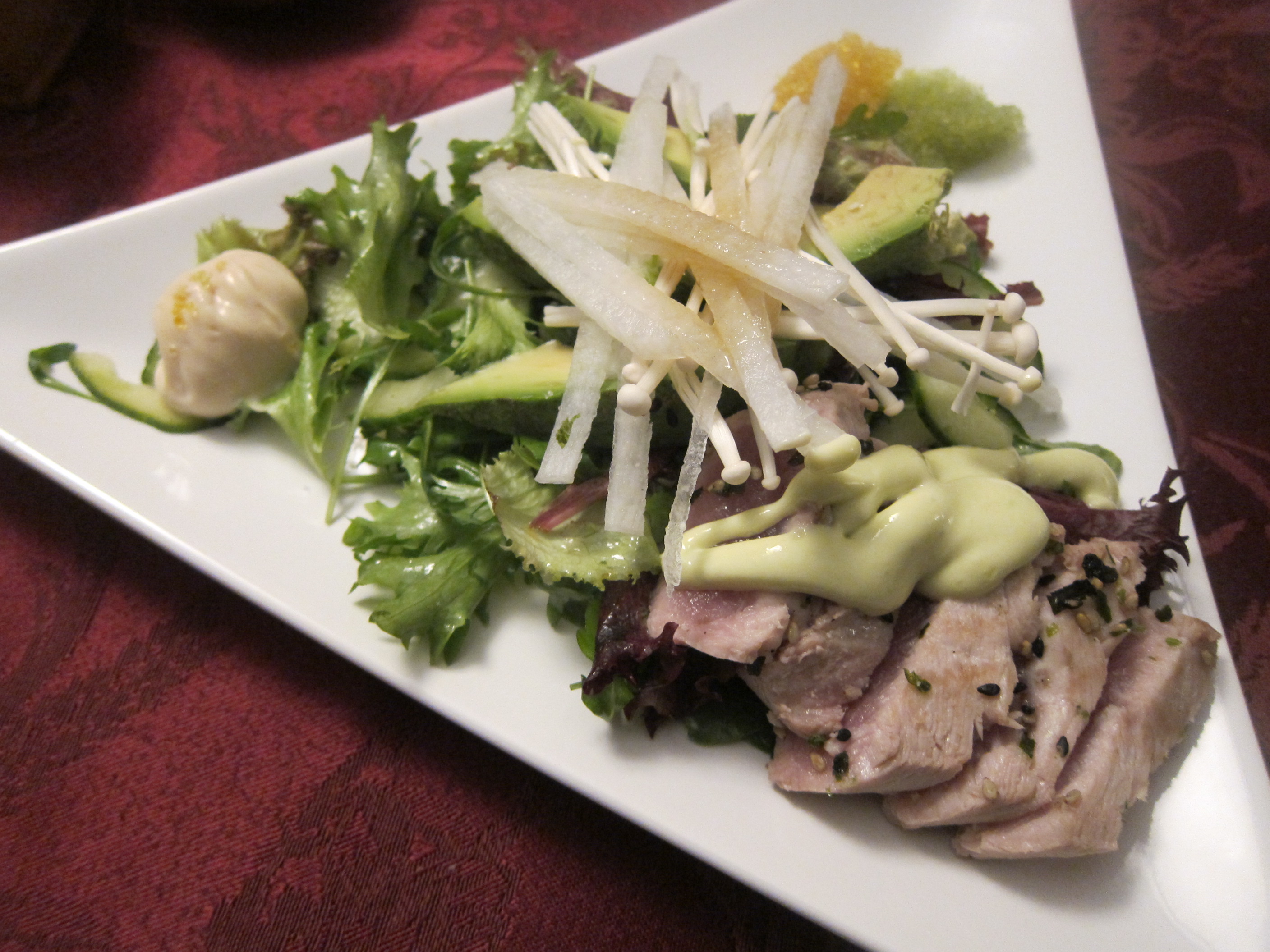
Seared tuna salad, with frisee, enoki, avocado, yuzu tobiko (yellow) and wasabi tobiko (green)

Seared tuna salad, with frisee, enoki, avocado, daikon, yuzu tobiko (yellow) and wasabi tobiko (green)

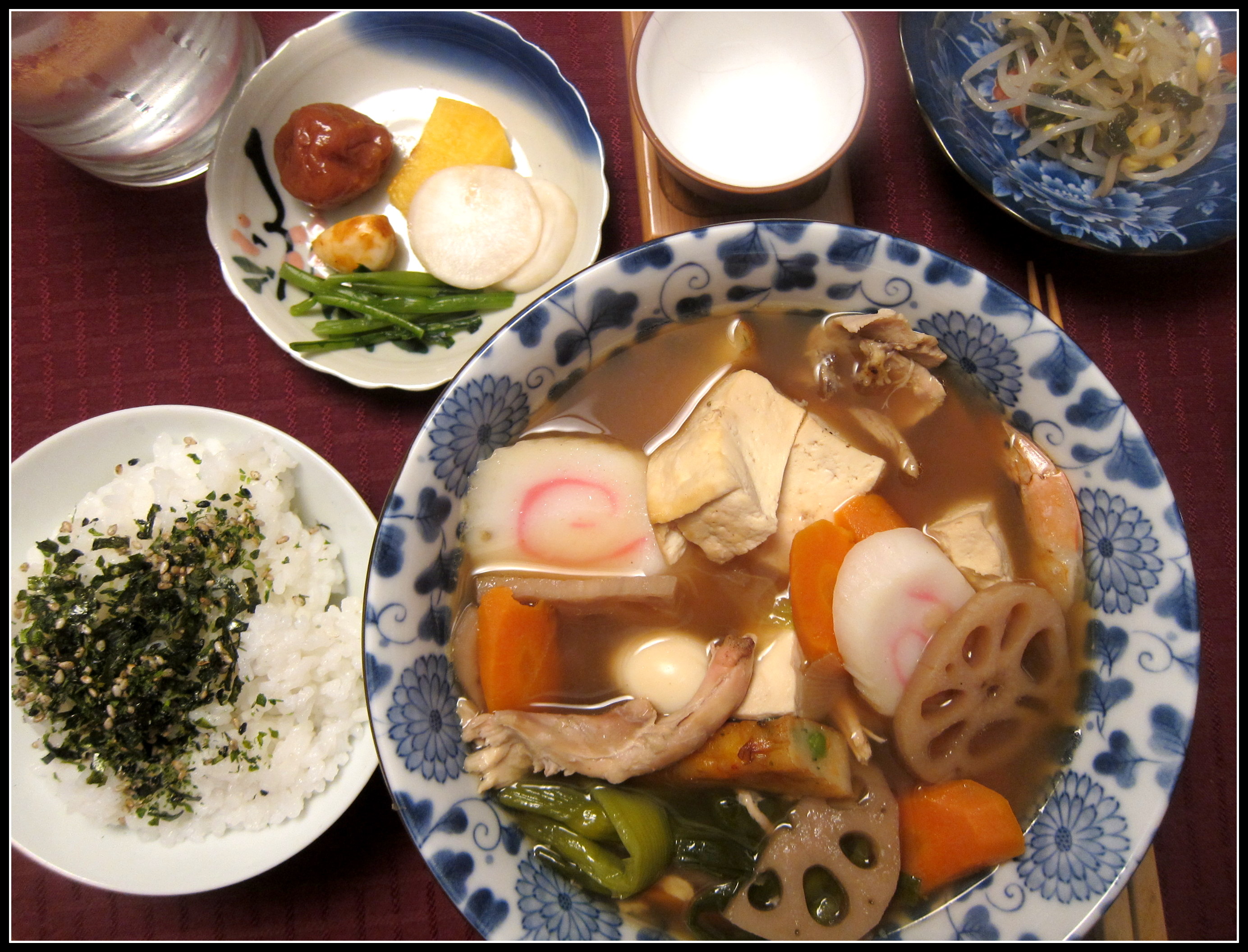
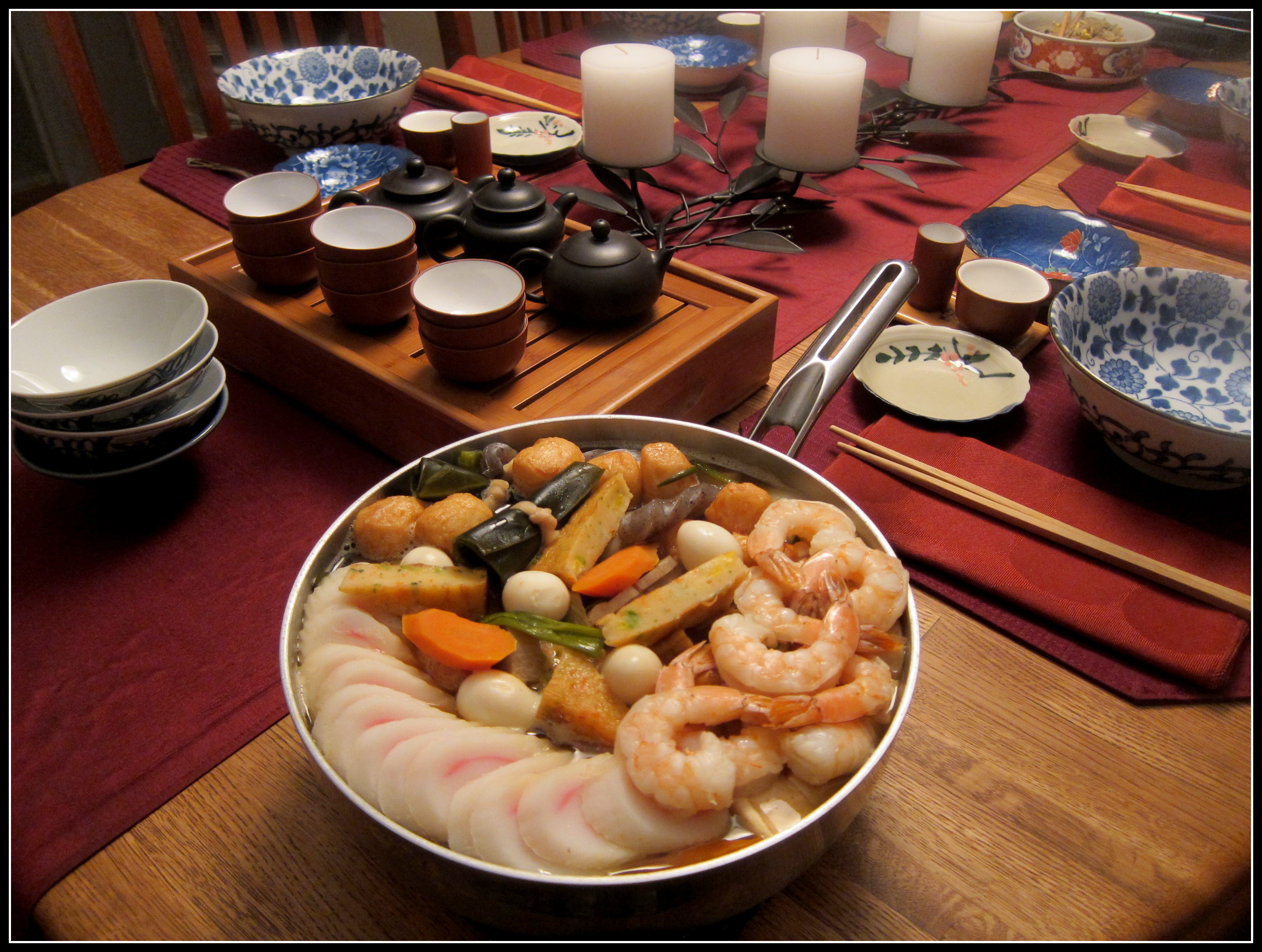
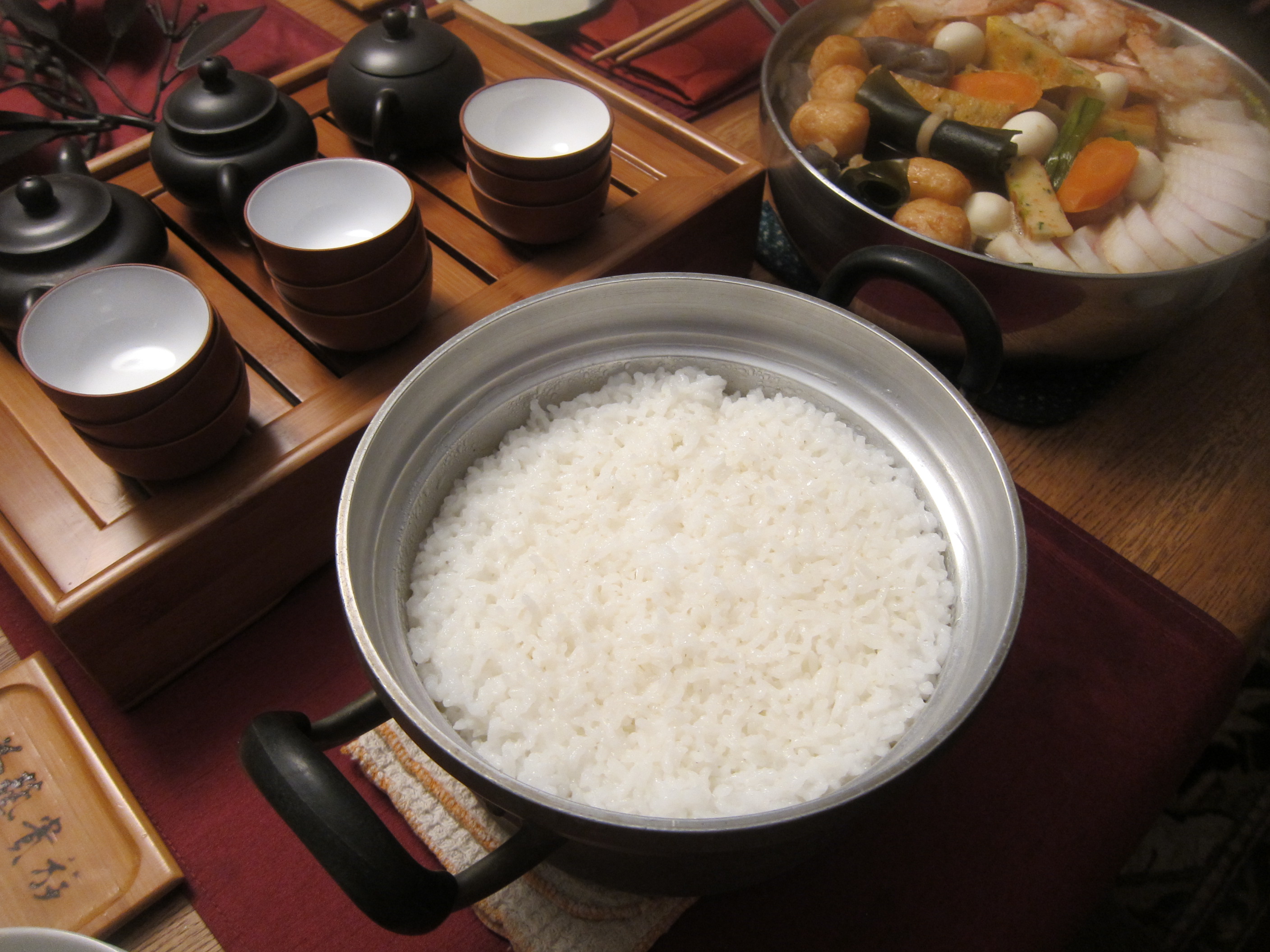
Oden - with spiral kamaboko and satsuma age (balls and rectangles), shrimp, chicken thighs, quail eggs, lotus root, carrot, kombu, tofu, and Nancy's years of making oden.

Oden – with spiral kamaboko and satsuma age (balls and rectangles), shrimp, chicken thighs, quail eggs, lotus roots, green onions, carrots, kombu, tofu, konnyaku, and Nancy’s years of making oden.
Among the three teas that we tried, Tung Ting was the best match with this soup. “Comforting” sums up everything.

Rice by Kenji san, i.e. Mr. Togami.

Rice by Kenji san, i.e., Mr. Togami. Perfect with a sprinkle of furikake.

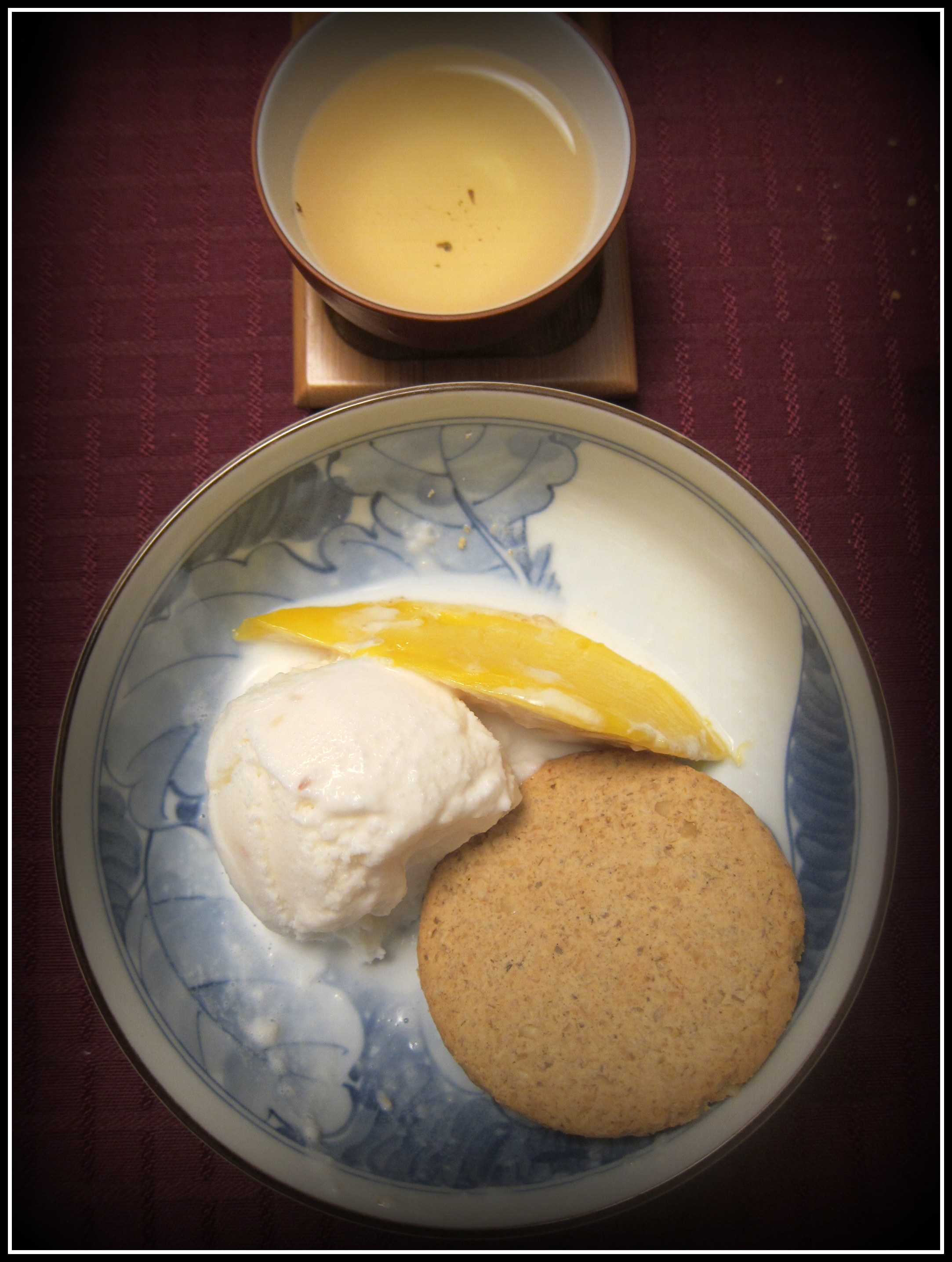
Ice cream, mango and cookie to pair with unknown but delicious oolong.

Lychee gelato, mango and ginger cookie to pair with anonymous but delicious oolong.

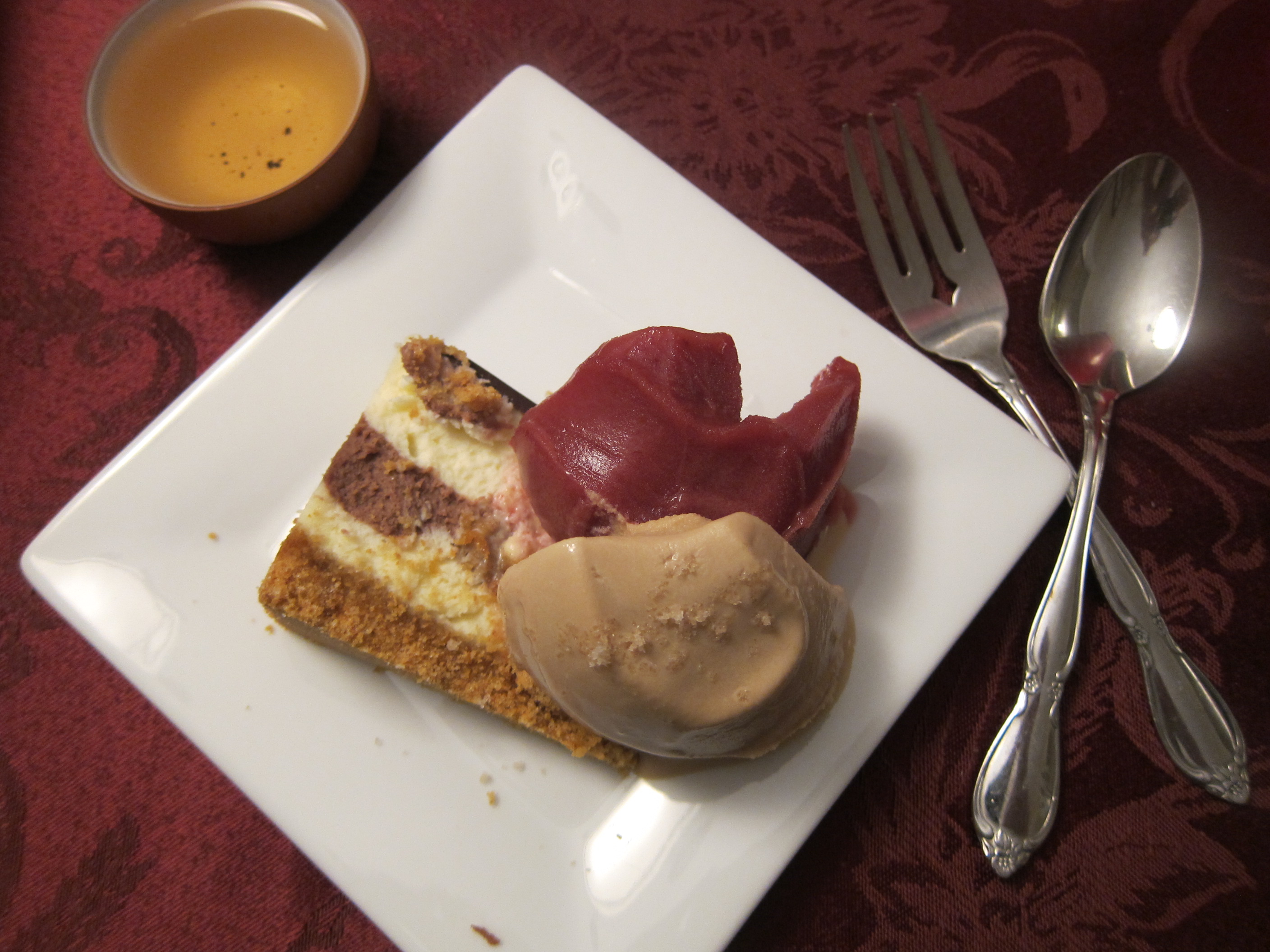
Cheesecake from La Farine, Fiorello's raspberry gelato and balsamic caramel ice cream.  Per Nancy's advice, we sprinkled our balsamic caramel ice cream with some Iburi Jyo cherry-wood-smoked sea salt from Oga Peninsula of the Akita Prefecture, Japan.  The salt's aroma is smoky yet sweet. It tastes as expensive as it costs.

Cheesecake from La Farine, Fiorello’s raspberry gelato and balsamic caramel ice cream. Paired with the dry Medium Roast Tieguanyin, this dessert combination gives an intense finish that Nancy describes as citrus like grapefruit, while I find it more nutty and cocoa-y. 
Per Nancy’s advice, we sprinkled our balsamic caramel ice cream with some Iburi Jyo cherry-wood-smoked sea salt from Oga Peninsula of the Akita Prefecture, Japan.
The salt’s aroma is smoky yet sweet. It tastes as expensive as it costs.

The pictures speak for themselves better than I can. This American lady embraces Japanese tradition, cuisine and visual art and incorporates them into her daily lifestyle with so much fine details that humble my experience at any Japanese restaurant I have tried in America. Because they are restaurants. Nancy’s homemade oden is the ballpark hot dog that triumphs over any other hot dog, in the same way that our mothers’ homemade dinners are the best ballpark hot dogs, except they’re the hot dogs that only a handful of lucky people can get. 😉

The meal was so inspiring I felt like I could speak Japanese afterwards.

A very small part of Nancy's kokeshi collection. Click on the image to see better details.

A very small part of Nancy’s kokeshi collection. Click on the image to see better details.

Tet of a Buddhist Vietnamese expat

February 10, 2013 By: Mai Truong Category: Festivals, Vegan, Vietnamese

tet-2013
Mother said “you shall not eat meat on the first day of Tet“. And I said “yes, Mom.”

It has been our family tradition that the first day of the lunar year is a vegan day. It’s not unique to our family of course, most Vietnamese Buddhists eat vegan on certain days of the lunar calendar, the number of days depend on the amount of devotion to practice the precept of not killing. To refrain from all of the festive food is also a step to train the mind against the worldly temptations. Normally, that would be difficult if I were at home, given the excess of pork sausage loaves, braised pork and eggs, banh chung banh tet, roast chicken, fried spring rolls, dumplings, et cetera. But I’m here by myself, it’s like expatriation on top of expatriation. To refrain from meat has never been so easy. 😉

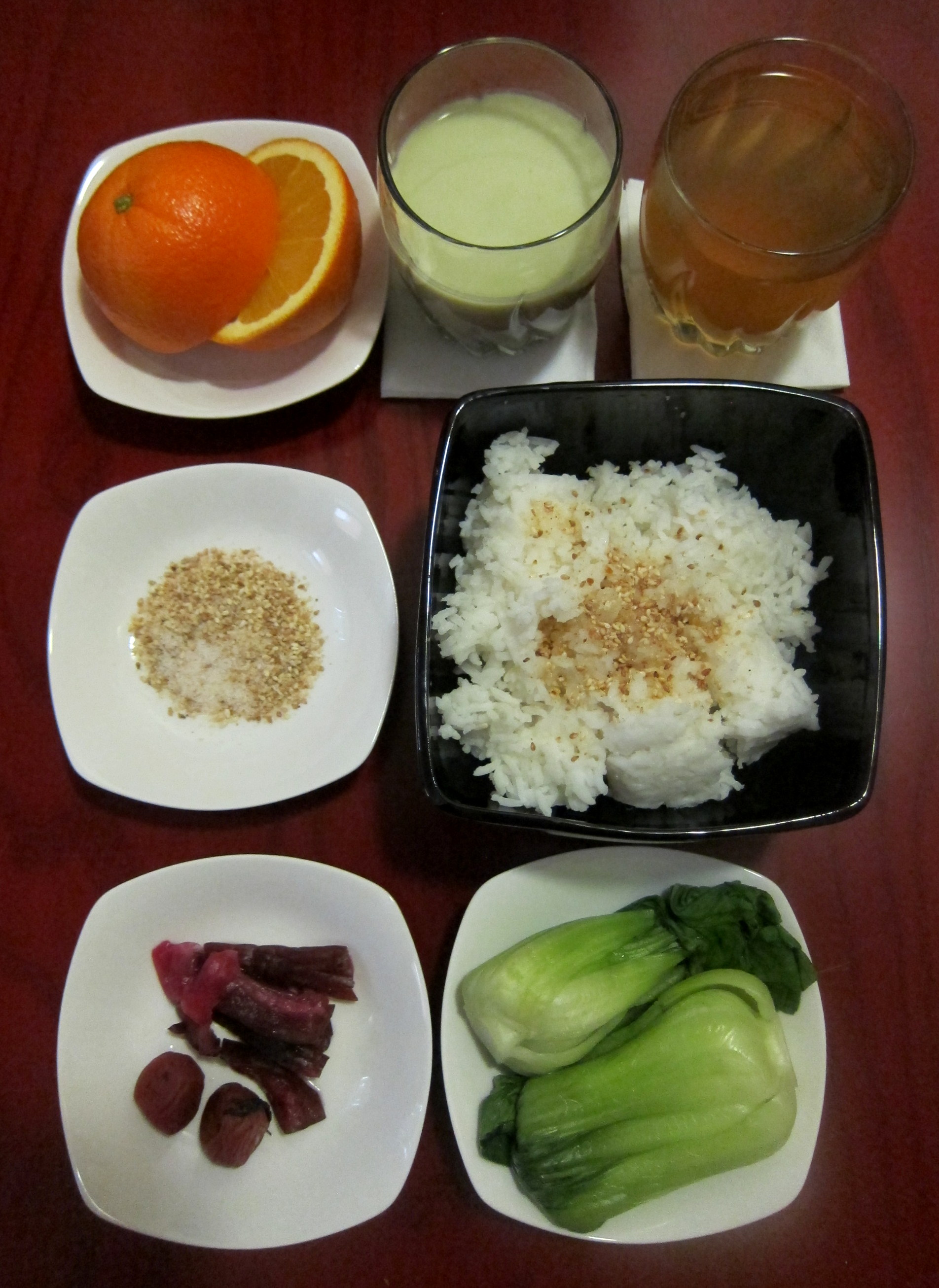
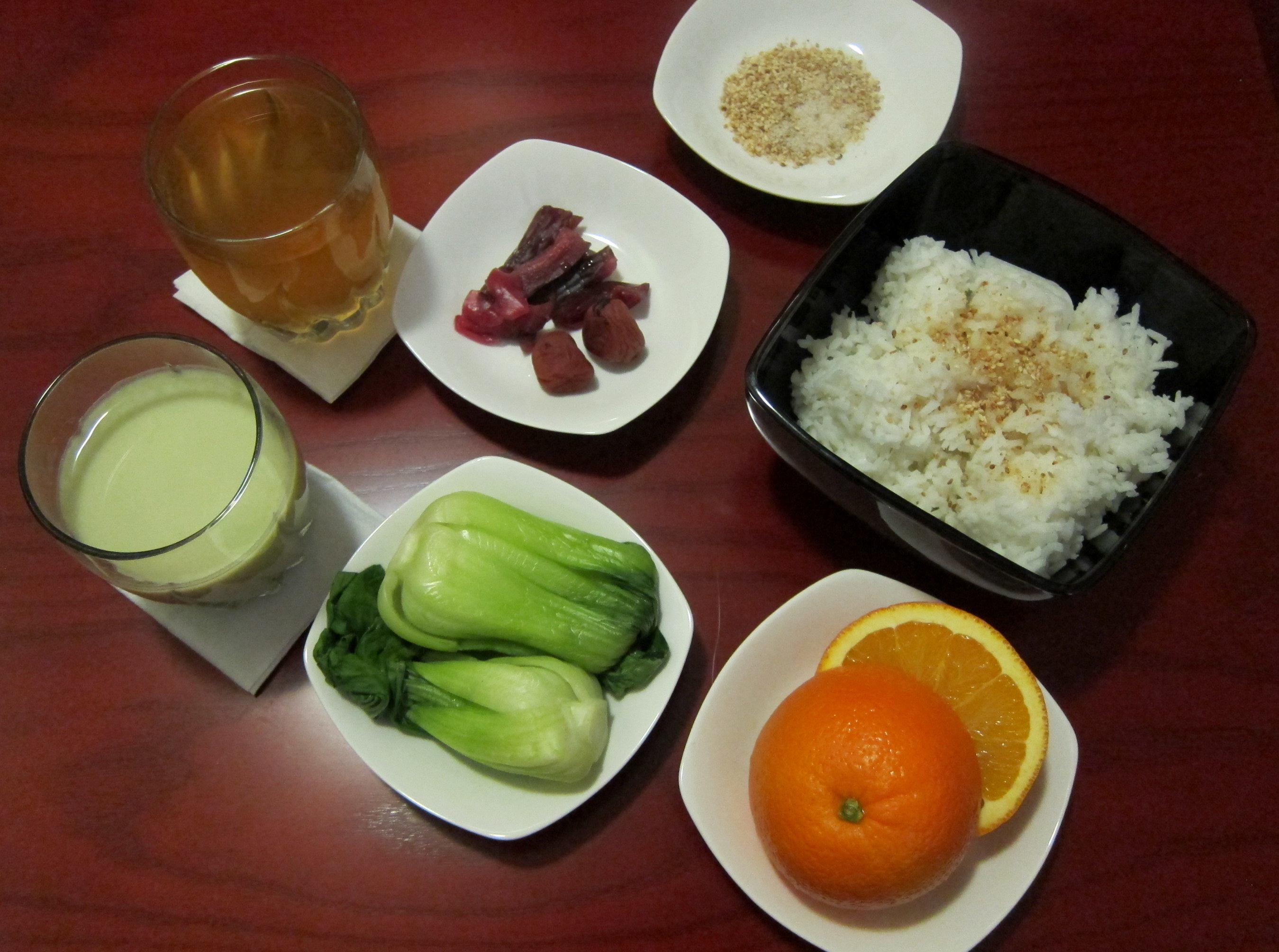
My quick and simple vegan lunch: steamed rice with muối mè (a mix of sesame, salt and sugar, similar to furikake but Vietnamese 😉 ), steamed bok choy, shisozuke umeboshi (salted plum with pickled shiso leaf) and pickled cucumber (a kind of tsukemono), an orange, a cup of mung bean milk from Banh Mi Ba Le and a cup of rose water. (In my recent San Jose trip, I found out that Chinese people take a particular liking to the bok choy outside the food realm. They make huge glass (or plastic?) bok choy that resembles chubby gold fish, except green and white, to put on pedestals for house decorations. Pretty cute, actually!)

vegan-lunch-on-first-day-of-Tet
Rose water is the simplest way to healthily flavor your water that I learned from a friend: pour dried rosebuds (easily found as an herbal tea at any tea shop) into cold water, let the water be for a while, drink, refill the water. I use a small sieve to filter the rose petals when I pour my glasses and to keep the rose in the water pitcher, but eating a few petals wouldn’t hurt. I thought about making little temaki (rice cone wrapped in toasted seaweed) but that might taste too salty with all the pickles and muối mè.

vegan-snacks-for Tet
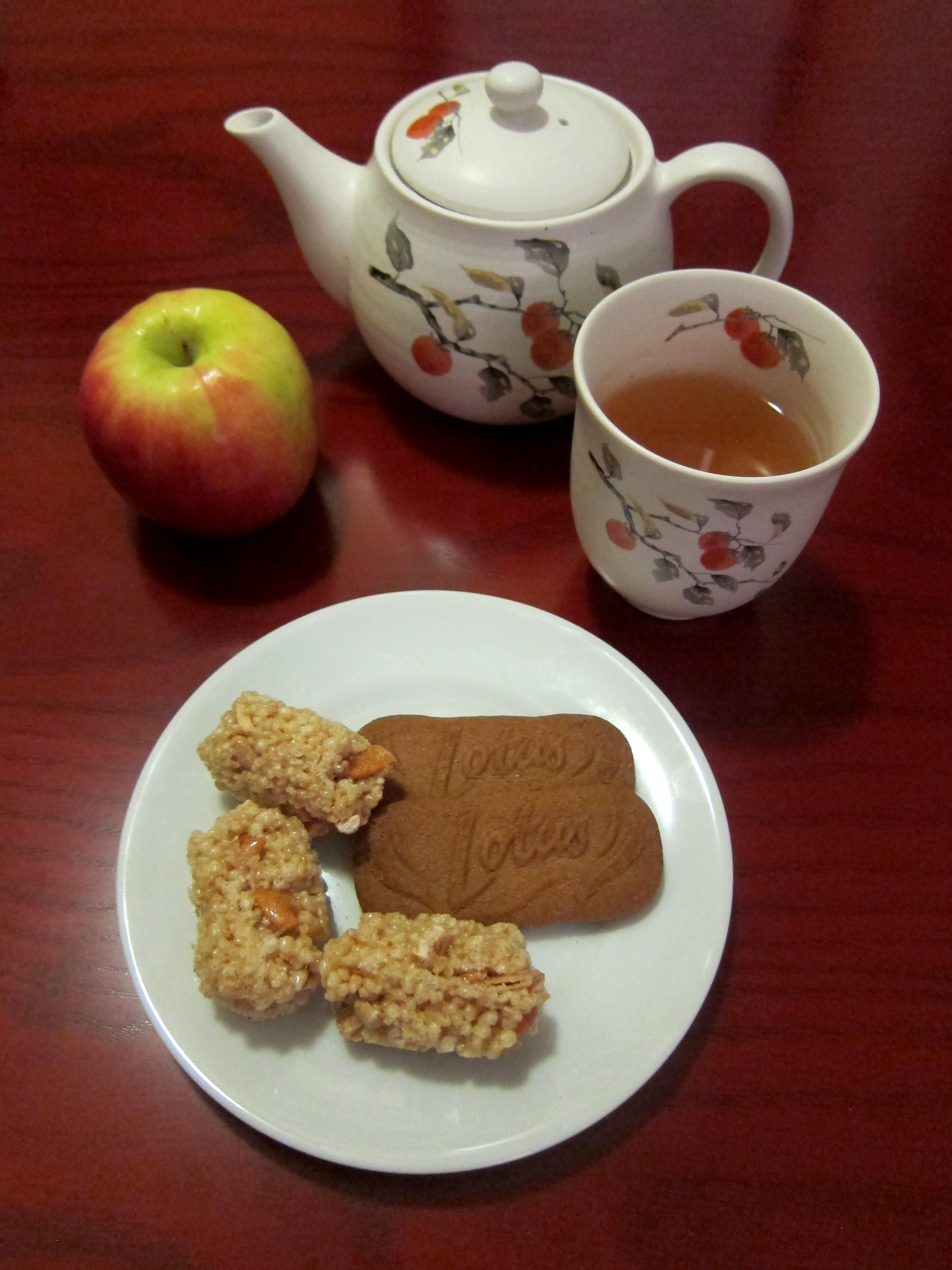
Snacks: vegan Biscoff cookie given to us by Abbot Thich Huyen Viet at the Lien Hoa Buddhist temple in Houston (these are surprisingly tasty!), a Pink Lady appleMiyaki Komedawara okoshi (basically, peanut and rice sweets) and a pot of Vietnamese lotus green tea.

banh-u-tro
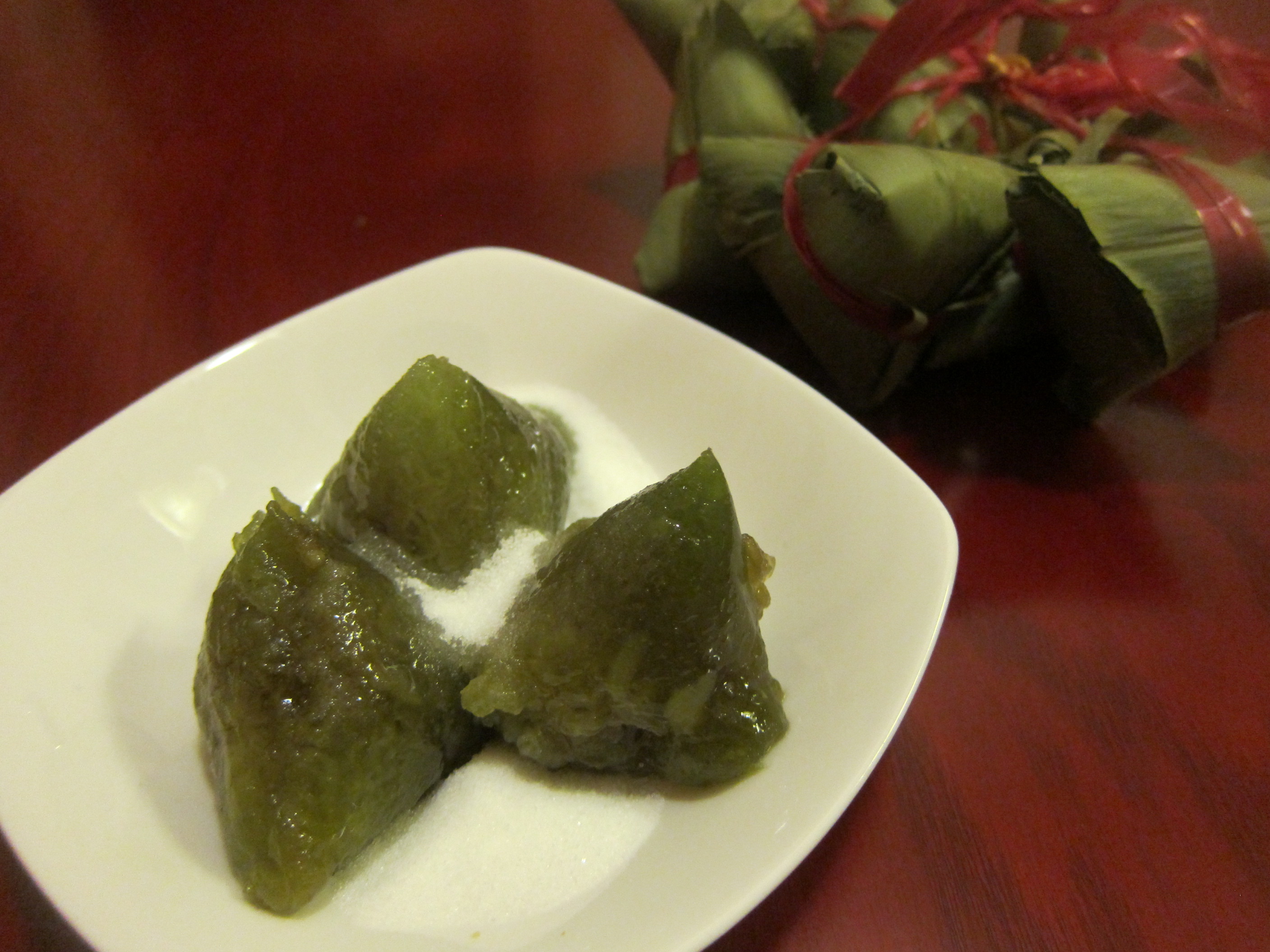
For dinner, I’ll probably have a few bánh u tro (sticky rice ash dumpling with red bean filling) and a packet of Vifon Vietnamese vegan instant noodle, then wait until 00:01 am to have a bowl of Dreyer’s double fudge brownie ice cream. 😉 (That’s right, refraining from ice cream is still difficult…) Happy Lunar New Year!

Duck for Thanksgiving! (Stealing ideas from Double Duck Dinner at Bay Wolf)

November 22, 2012 By: Mai Truong Category: American, California - The Bay Area, Drinks, The more interesting


Today. Big glistening birds. Crimson cranberry sauce. Mashed sweet potato with a crusty marshmallow top. Green bean casseroles. Gravies. The all-American classic holiday dinner table that every grocery store has a picture of on their website. Once upon a time I was enticed by such beauty, much like how I engulfed a chunk of ham the first time I saw real ham after years of seeing ham in old American cartoons (Tom and Jerry I think?). To be fair, save for the turkey, I do like the marshmallow sweet potato, the green bean casserole, and sometimes the stuffing if the gravies’ done right. But the turkey… I don’t get it. In a bird, the best part is the brown meat: legs, thighs, wings, that’s all. (Ah yes, I love the offals too, but today I’ll speak from the American perspective for a change.) Yet, the turkey leg is a monstrosity of toughness that my weak 20-some-year-old bone-gnawing cartilage-grinding gizzard-and-heart-loving teeth have trouble handling. Were all the turkeys I sunk into Olympic weightlifters or something? Well they have to lift their 30lb+ body every minute anyway, so no wonder. Conclusion: I don’t like turkey(*).

I like duck.


And you know what drink duck goes well with? I can’t speak for Pinot Noir, Merlot or Rosé, but some oolong teas make great companies! The long awaited double duck dinner at Bay Wolf arrived (2 months ago) before I could really get in tune with this semester, but I still remember how the Tung Ting made the duck dumpling soup and duck gizzard bloom.

Although I started out drinking tea for the sole purpose of matching tea with food, most of my pairing experiments were at home with more sweet than savory stuff. I blame the busy schedule but in reality I just don’t buy the thermal bottles to store hot water nor do I grab anything but my wallet and camera when I go fooding. (I used to forget my wallet.) My friend Nancy Togami, on the other hand, pursues her hobbies with much more heart than I. When we embark on a tea date, she brings teapots, hot water, teas and a thermostat to check the water temperature. I love her.


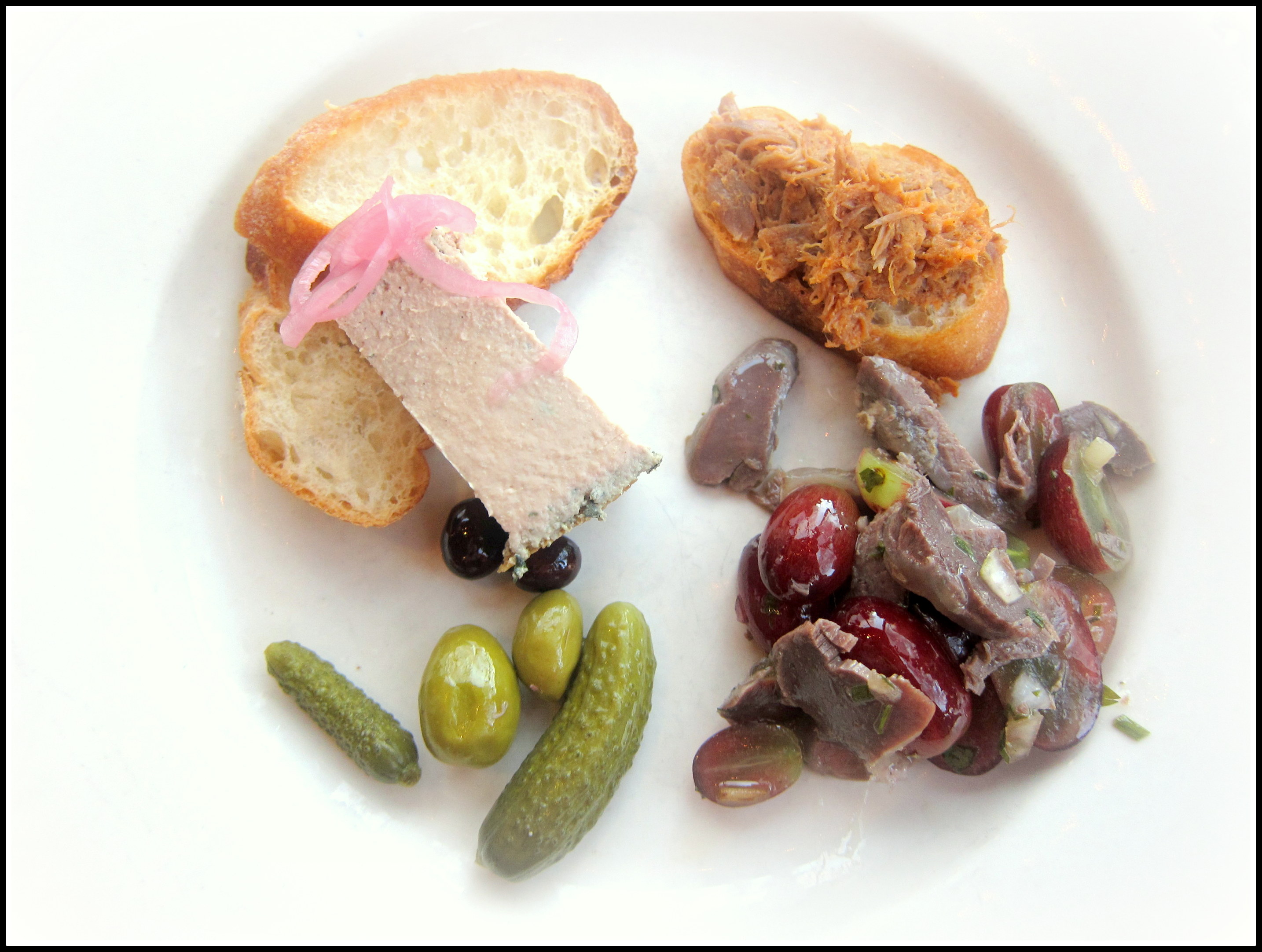
Duck liver flan, rillettes, gizzards and grapes. The liver flan (basically, pâté): paired with Tung Ting for a light and floral whisper in the mouth, paired with High Mountain for depth. Neither Tung Ting nor High Mountain did anything good to the rillettes. Tung Ting with gizzards and grapes was better than High Mountain with gizzards and grapes, as the grapes amplified the floral note of the Tung Ting.


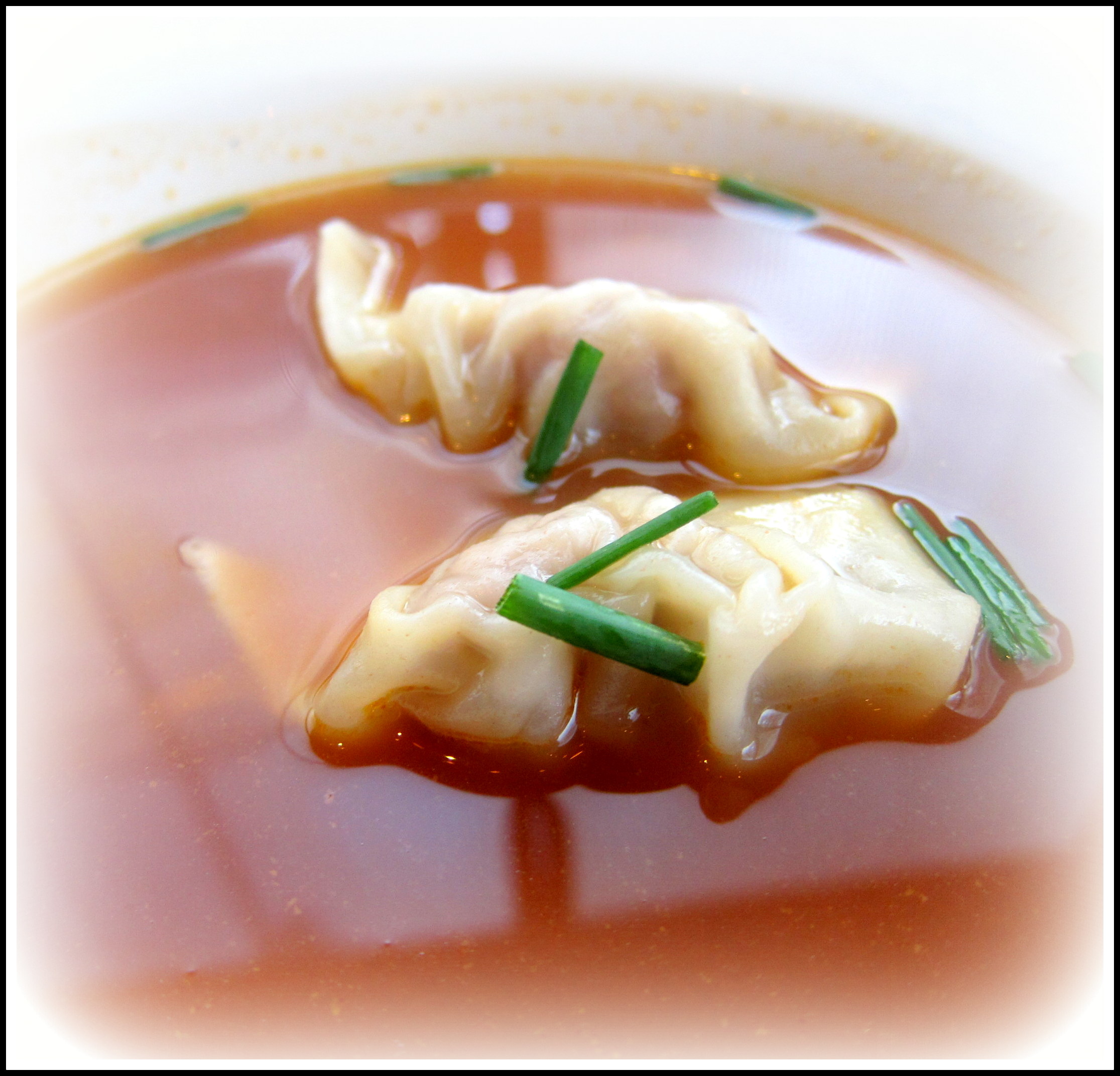
Head-to-feet duck soup with savory duck dumplings. Again, the Tung Ting is a good match, it brightened but not intensified the tomato in the broth. (Surprisingly, the only tea that doesn’t go well with any of these courses was the Royal Courtesan: a little plumy, a little sour, even after we steeped it for 2 minutes, it refused to give an impression on the food.)


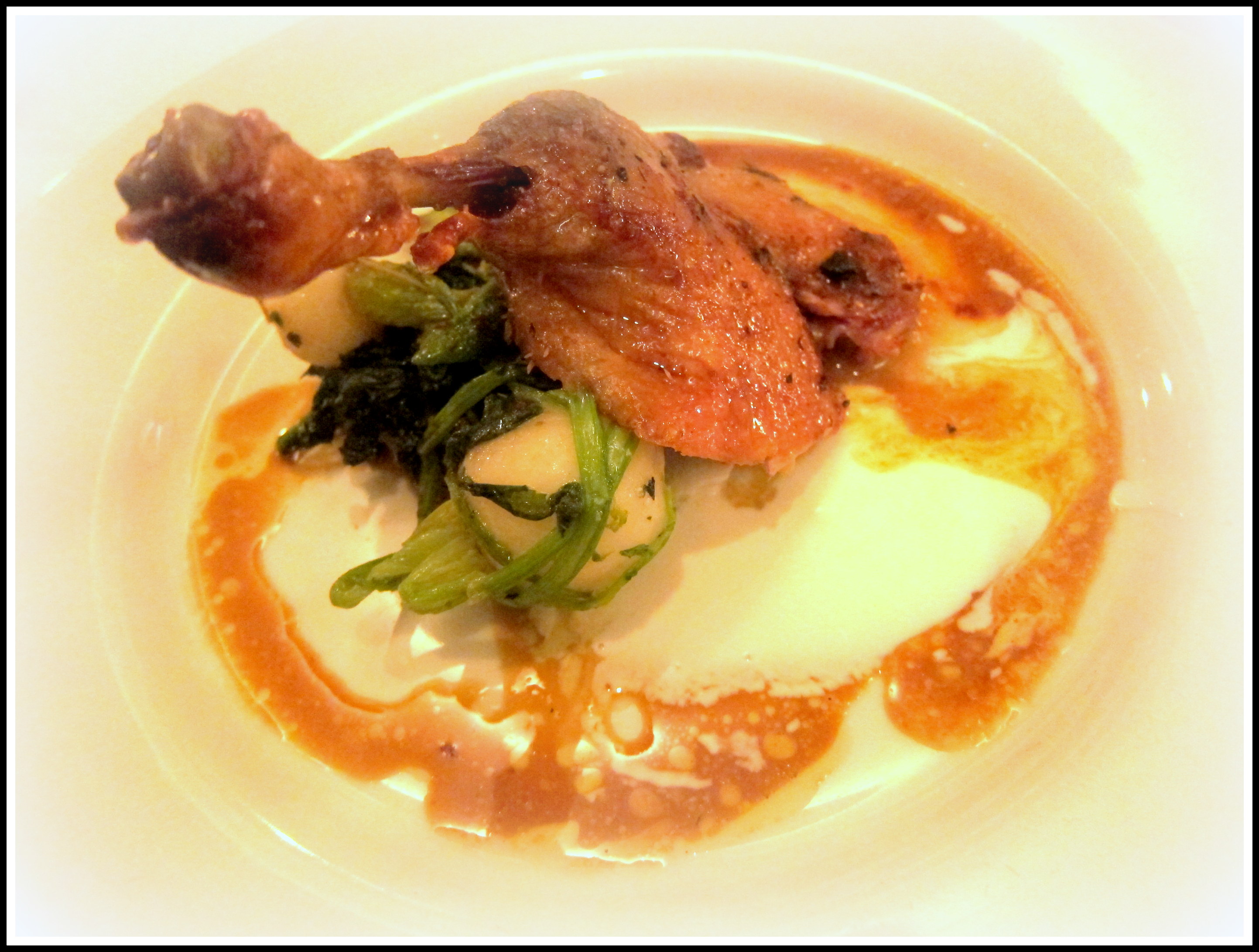
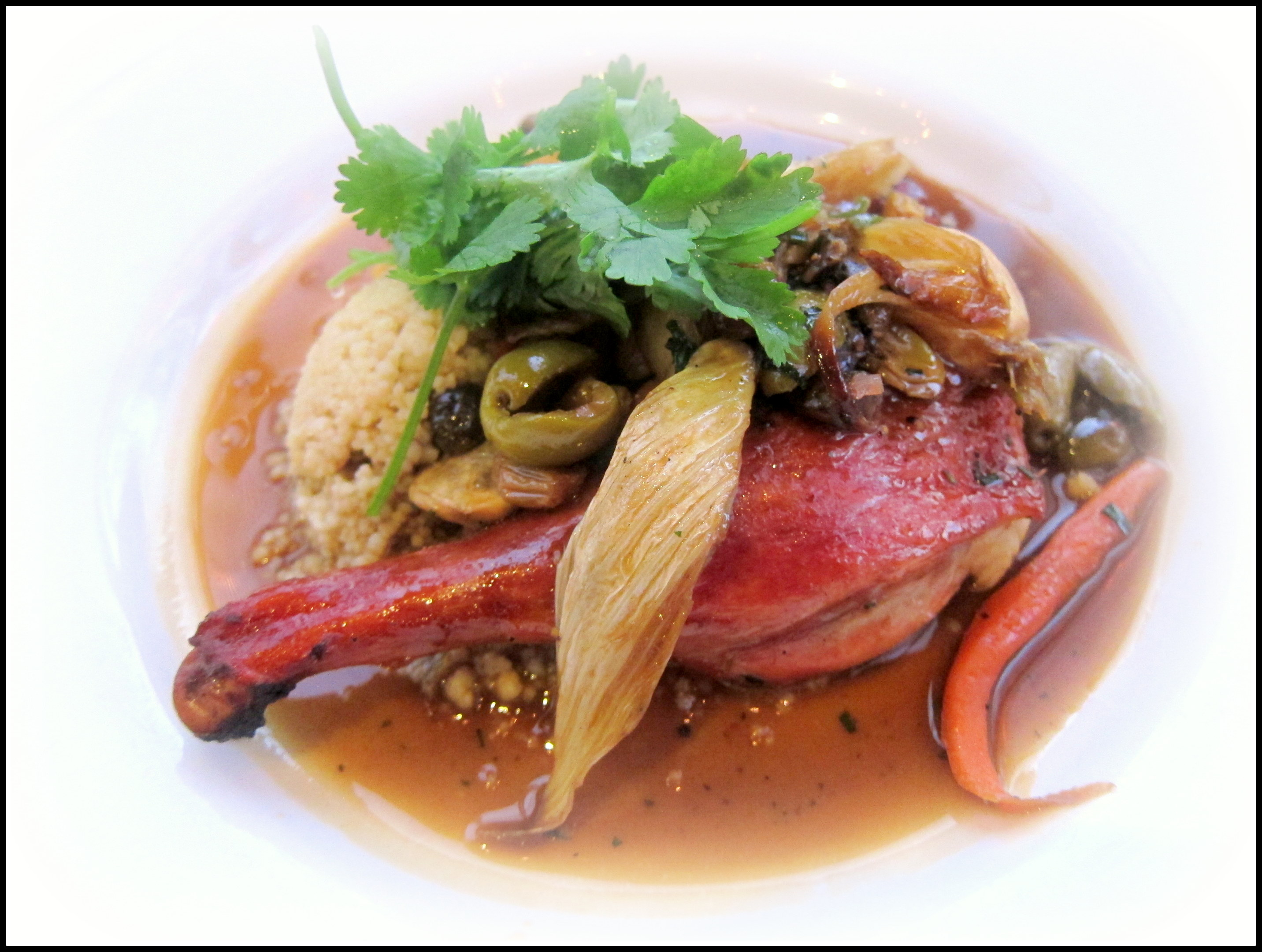
Duck tagine with spiced couscous, preserved lemon, olives and coriander. Tung Ting and High Mountain with duck tagine and steak: all 4 pairings are good. With High Mountain, although the fatty part of the steak does not go too well, the duck fat sauce shines through. The Tung Ting and the duck tagine is best with the lemon sauce in the tagine, otherwise the meat dried out and became too fibrous.


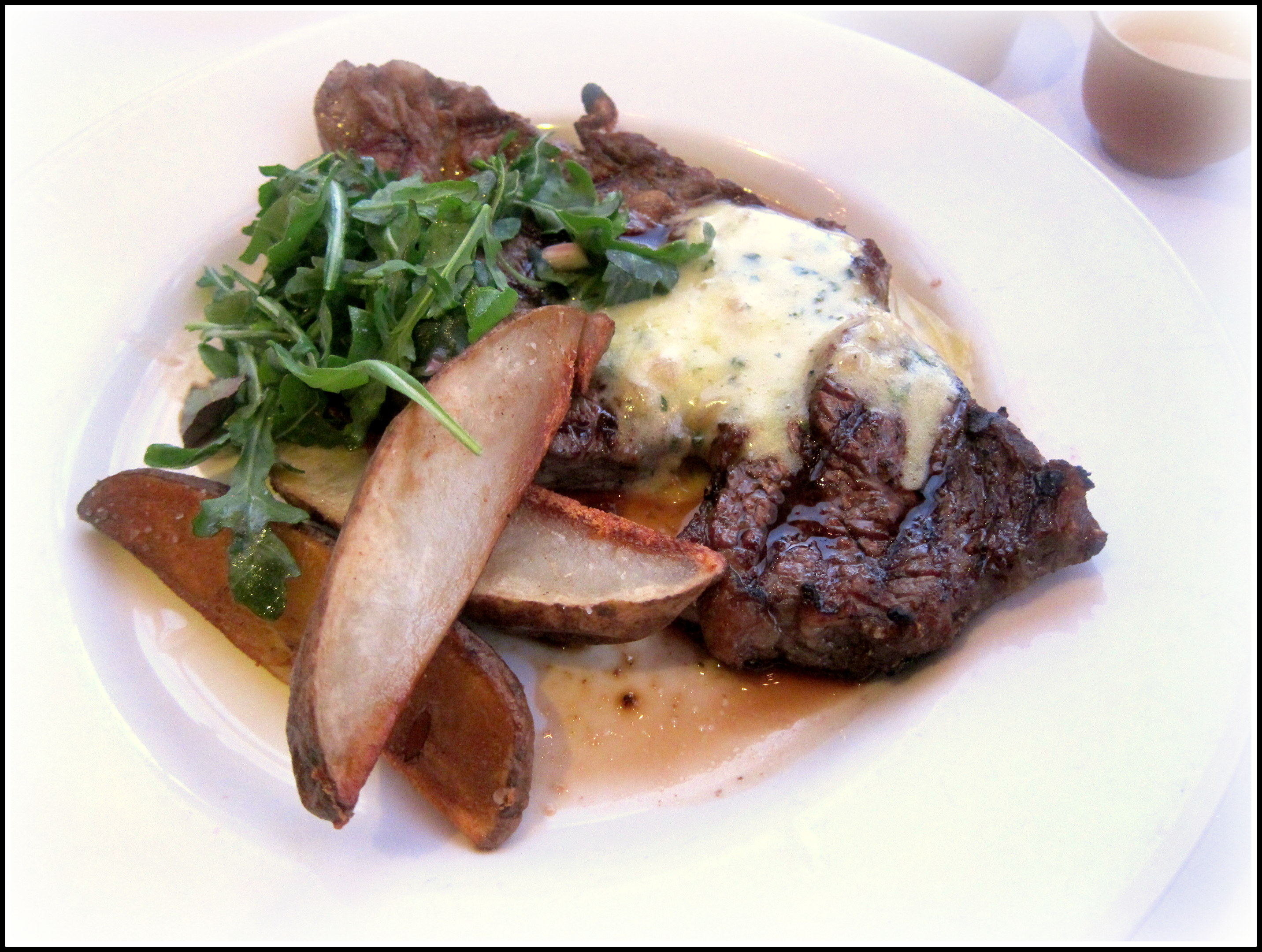
Grilled rib eye steak with duck fat fried and Béarnaise sauce. Nancy also had an excellent pairing of a Merlot with the steak and the duck. The Merlot smells tangier but tastes softer (more berry-like) than the Pinot Noir, it also has a smooth finish that made the steak more “unctuous”, and several times she went from meat to merlot and finish with High Mountain, which seemed to make things really shine.


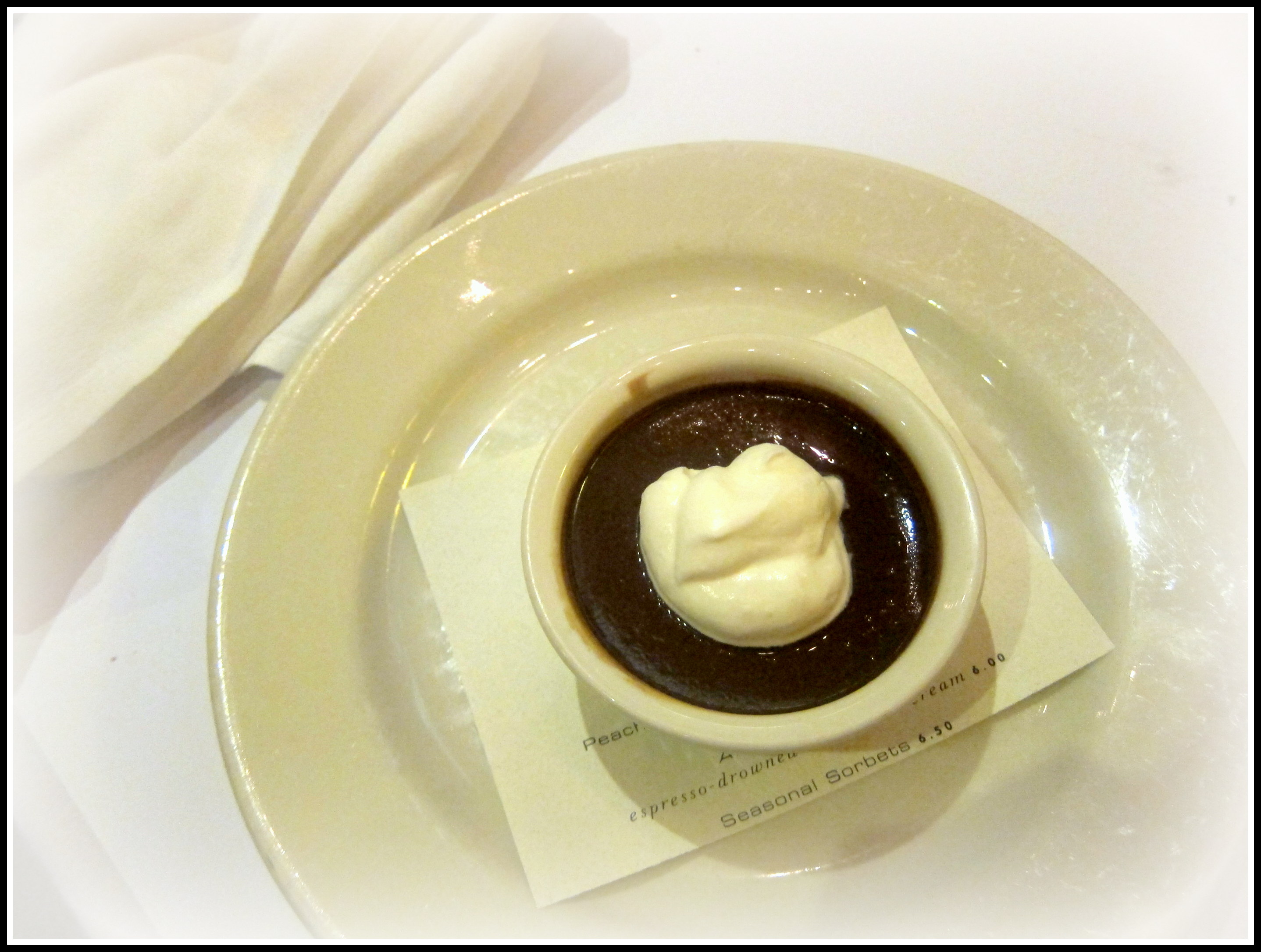
Duck egg mocha pot de crème. Both Phoenix Honey and Tieguanyin Medium Roast go exceedingly nicely with this dessert: the Phoenix adds a lychee flavor to it, the Tieguanyin complimented the mocha flavor and at the same time makes it more perfumy. Both lightens an otherwise too rich ending.

So for this Thanksgiving (and maybe the next), ditch the turkey. Dish the duck. With some tea. 😉

(*) I love the living turkeys as much as I love any other animals. 😉 Since their meat doesn’t taste that great, why don’t we make them pets like dogs and cats, and give turkey-eaters “the look“?(**)

(**) In case you’re wondering: No. I don’t eat dogs and cats. I also don’t eat ham. For different reasons, though…


P.S.: First time I was at Bay Wolf.

Pair Dim Sum with Tea at Shanghai Dumpling King

July 26, 2012 By: Mai Truong Category: California - The Bay Area, Chinese


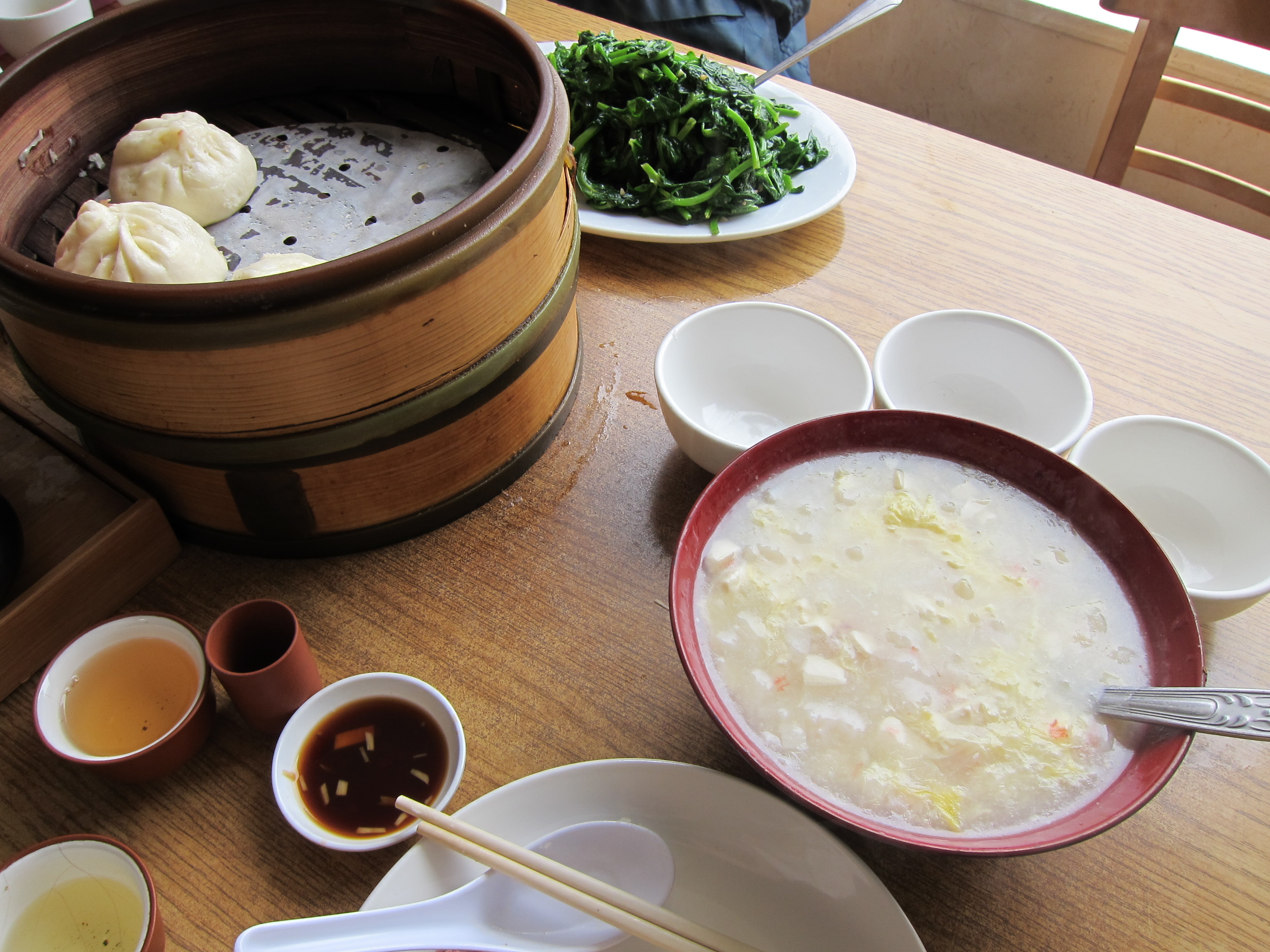
The waiter brought out a kettle of tea, but Nancy Togami waved him back, asking for just plain hot water. Carefully, she used her thermometer to check the water temperature. One hundred and eighty degree Fahrenheit, too cool to steep the Baochong and Phoenix Honey that she brought. But Nancy brought her own water too, which measured close to 200 degrees, so we used her water instead. I’ve never brought my own tea to a restaurant, but it makes sense: people bring their own wine to restaurants, and when you have good teas, there’s no reason to refrain from pairing them with good food. The dim sum at Shanghai Dumpling King proved to be perfect experiment material.

Without Nancy, I probably would never have known of this hole in the wall way out on the west side of San Fran, and probably too lazy to get here because it’s not 2 blocks away from the BART and I’d doubt the dim sum would be worth anything farther than that. Now, dim sum are good. You have to really suck as a cook to make ground meat in a piece of dough taste bad (it happens, though), and I crave potstickers and xiao long bao at least once every other night, but the gap between the potsticker in my head and the potsticker in my mouth always ended up bigger than my head, so I can’t comprehend it. There’s some kind of epiphany reaction I want to get from eating dim sum that I’ve never gotten. But I think today came really, really close. Because of a duck and two teas.


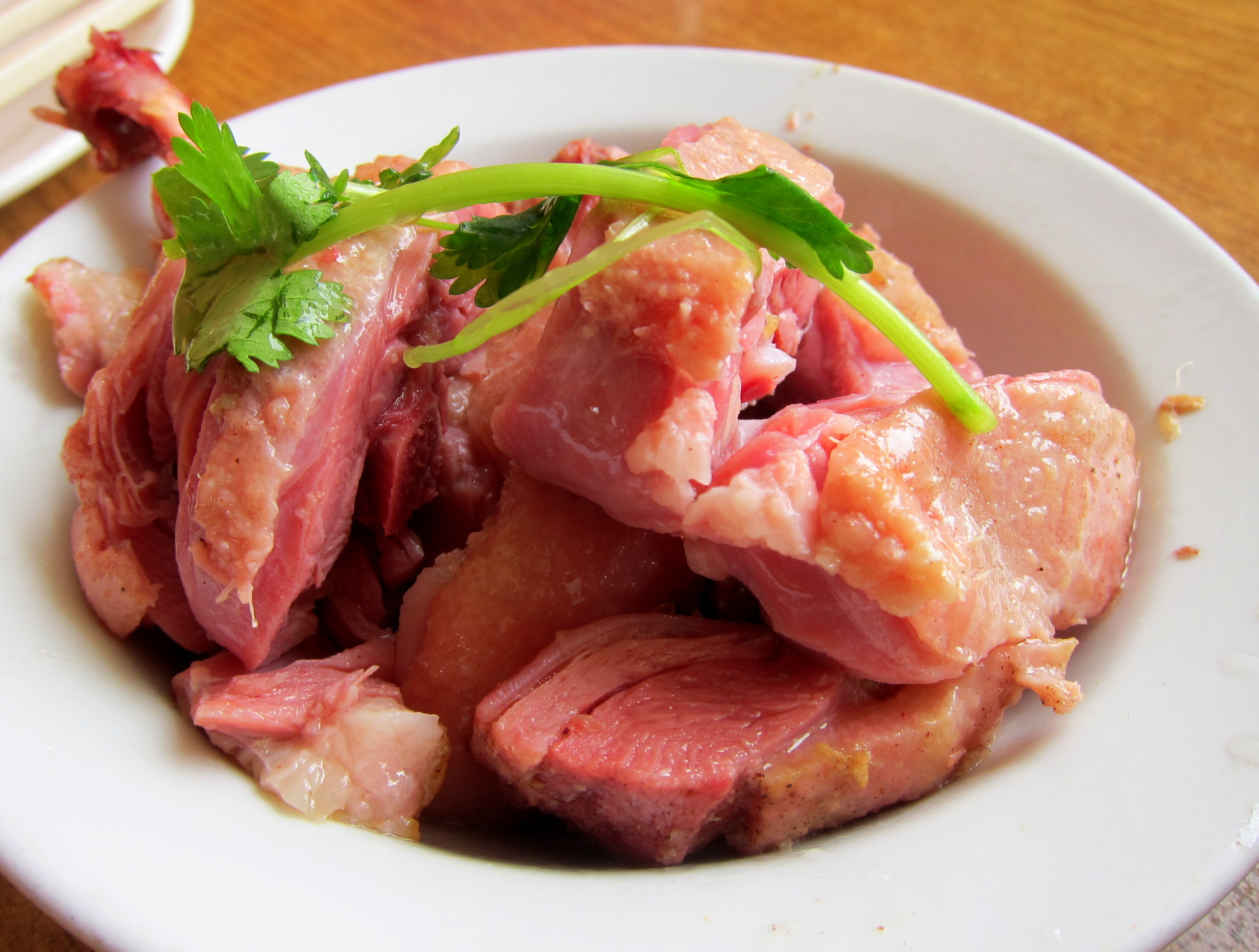
The duck set the mood. We stood in front of the restaurant before it opened, so they had to rush setting up things to let us in. We were the first customers of a Sunday. Few minutes after we placed our order, the guy strode out asking if we would like some duck, the kitchen just finished steaming one. Yes, of course, we said. Out came small chunks of legs and thighs in a simple white bowl with a sprig of coriander, the meat still pink, the skin moist in a sunglow shade. It’s not chewing gum and it doesn’t fall apart like cornmeal, it has all the right tenderness, the right juiciness, the right saltiness. I couldn’t pry any information from the waiter except that it’s steamed. But they must’ve put something in the water.


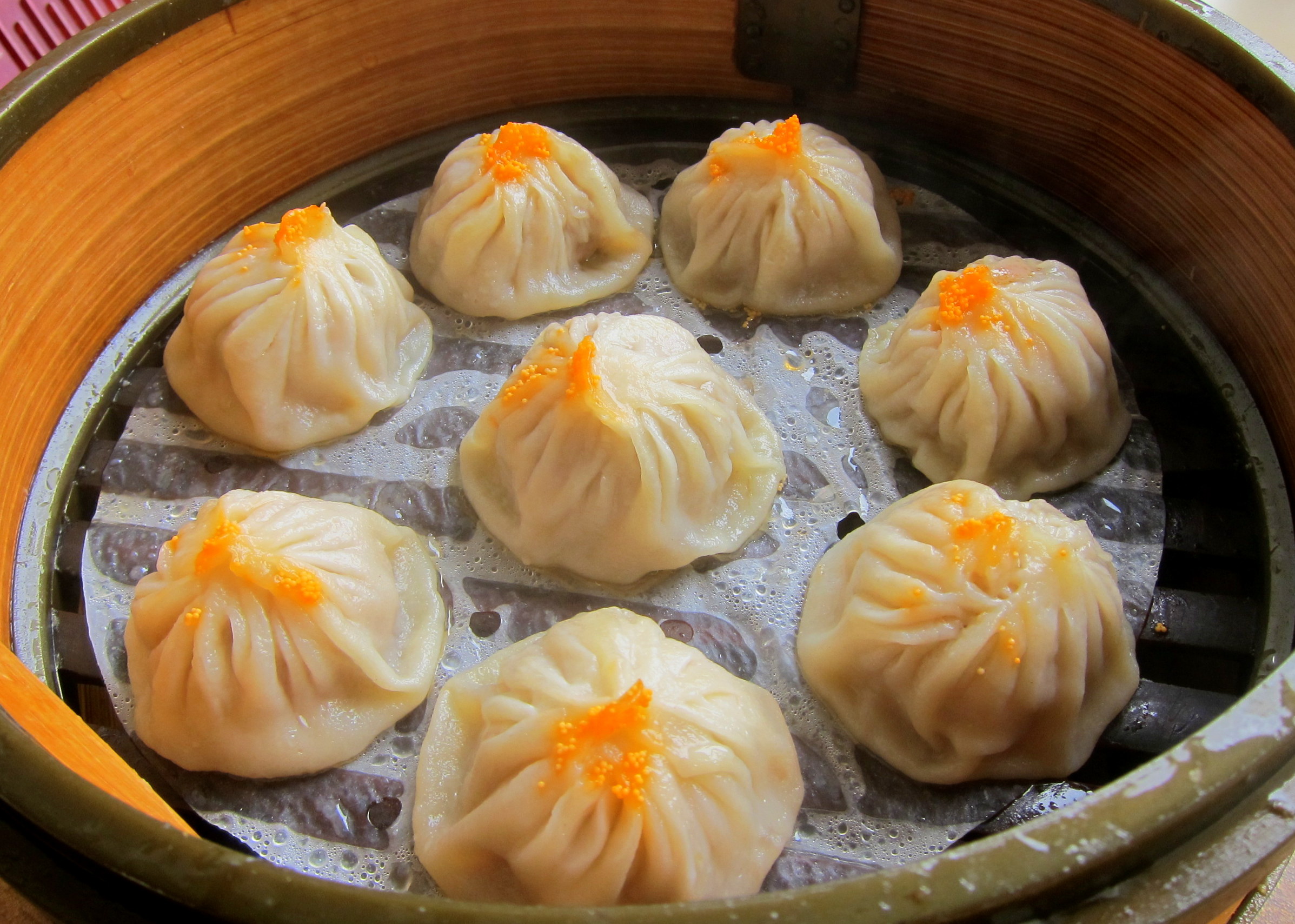
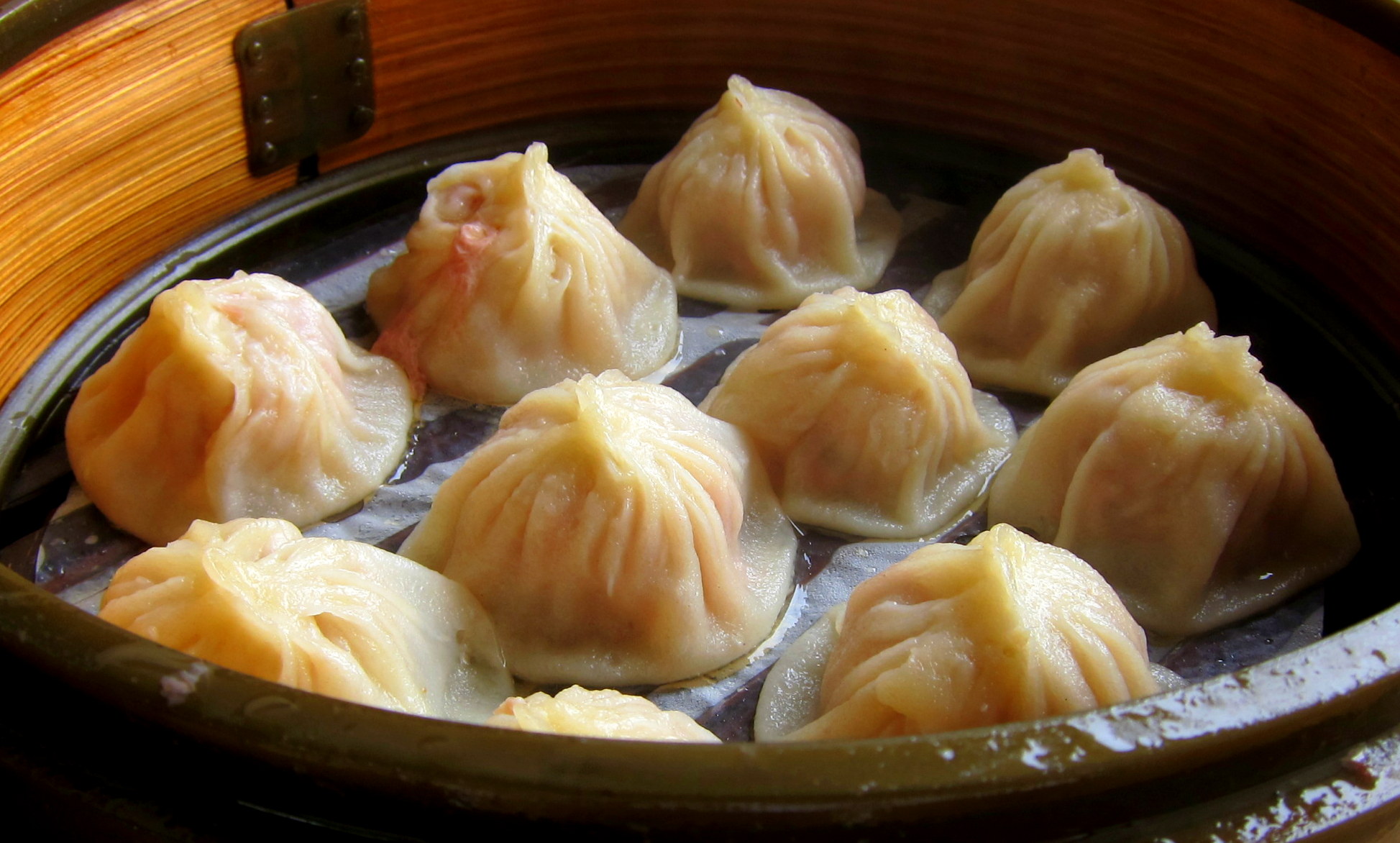
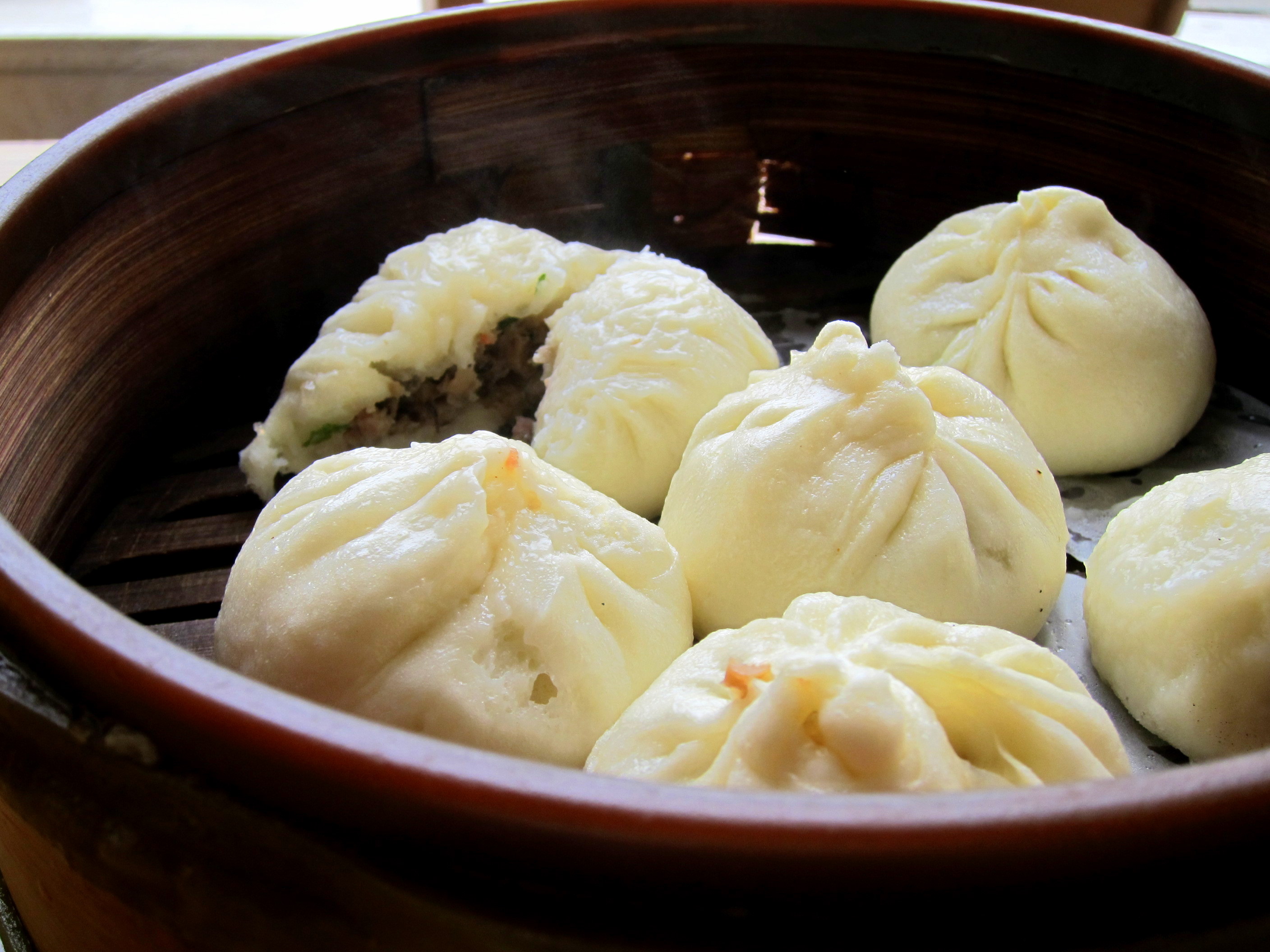
The Hung Zhou crab and pork dumpling (Hung Zhou xie ruo xiao long bao) and the Shanghai soup dumpling (Shang Hai xiao long bao) both contain half a spoon’s worth of broth. They’re the juiciest xiao long bao I’ve found anywhere, and the Hung Zhou xie ruo ones are packed with enough savory sweetness on their own that they don’t need the vinegar and soy dipping sauce.


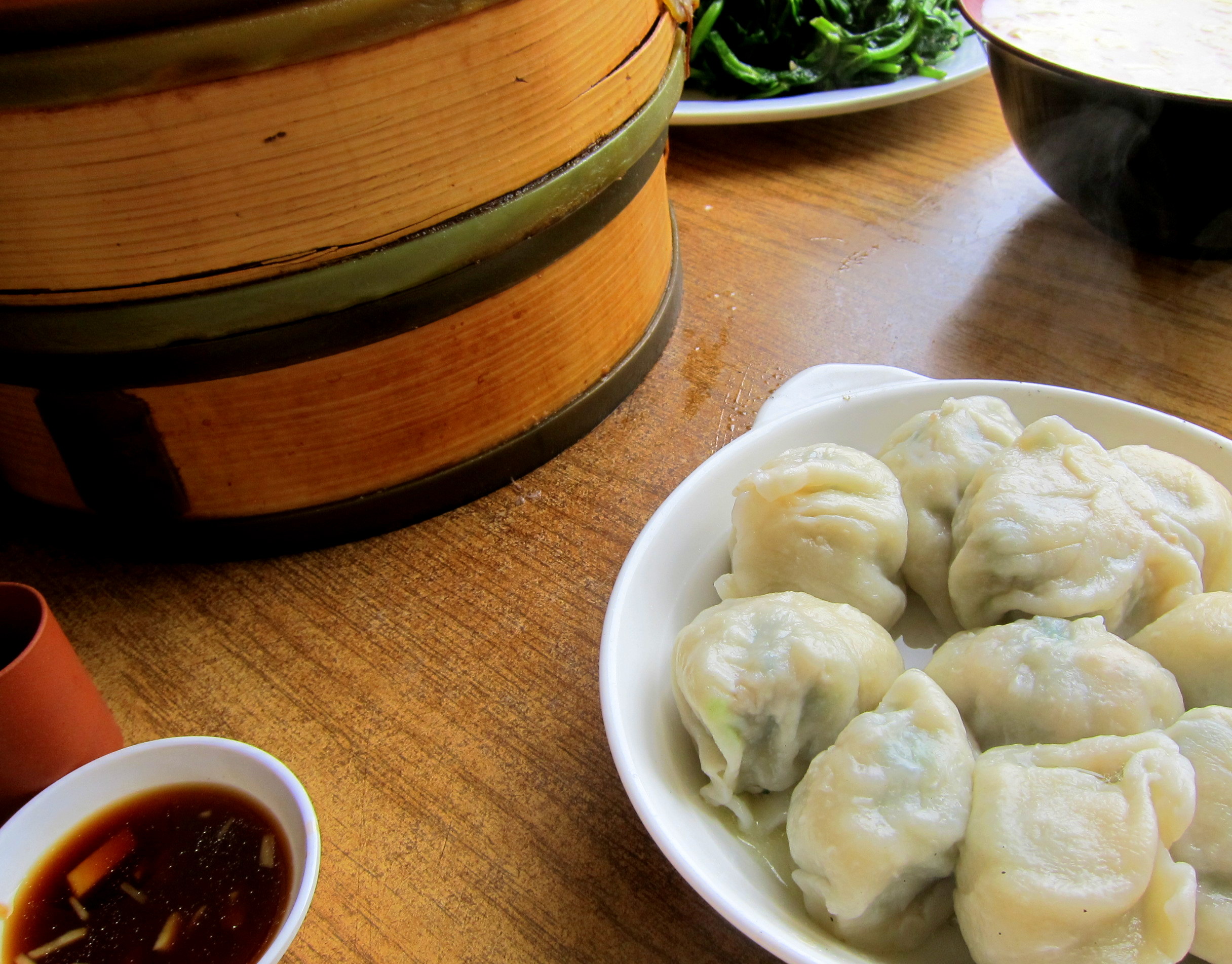
We got too absorbed in the xiao long bao that we didn’t pair any tea until the seafood and tofu eggdrop soup and the Tian Jing go bu li bao (steamed wheat dumpling with pork, mushroom and rice noodle inside) came. One one hand, Baochong, a light Taiwanese oolong, accentuates the chive in the bao, and the bao intensifies the Baochong’s floral note, so the pair just blooms in your mouth.

On the other, Phoenix Honey is a stronger oolong with a roasty profile and a sweetness of lychee, which complements the soothing eggdrop soup.


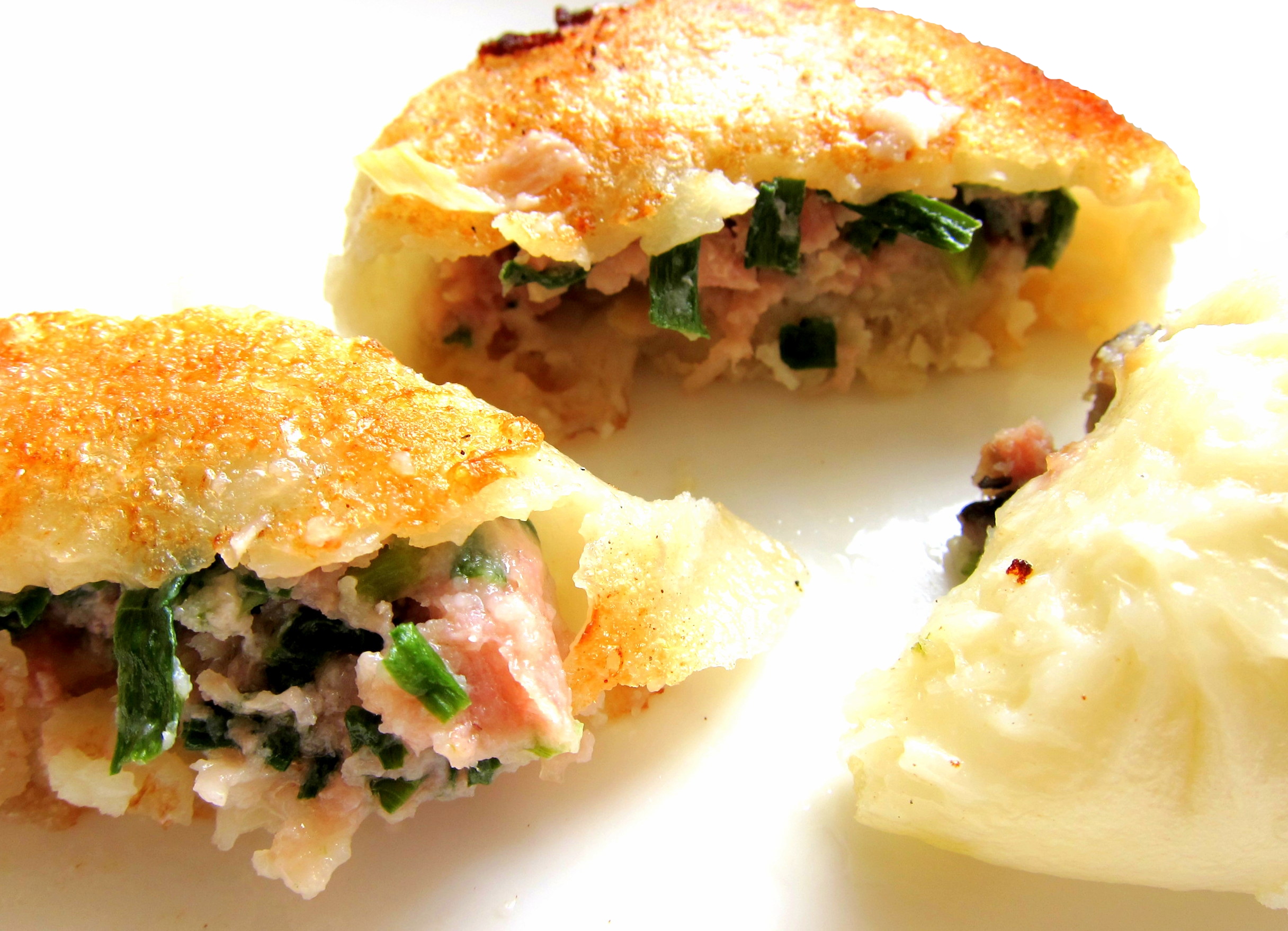
The spicy pork dumpling (xian shui jiao) kicked us in the throat, although we asked for “not too spicy”, but Baochong can sooth the spark away. The pan fried chive and pork dumpling (jiu cai xian bing) and Baochong made another floral pair, similar to their steamed smaller brothers. Phoenix Honey brought forth the nuttiness of fresh-but-need-more-salt peashoots.


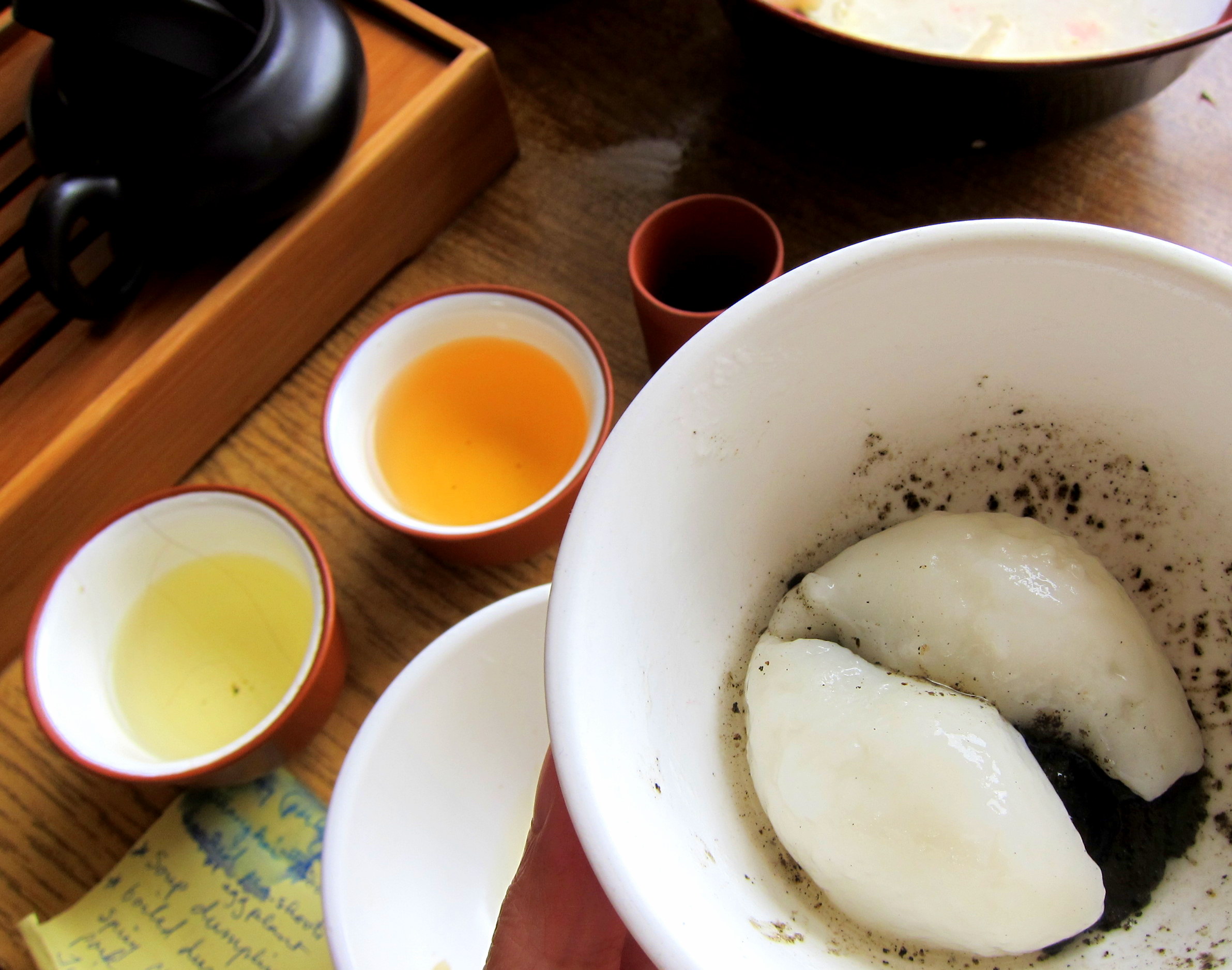
Soon we figured out the rules: lighter tea with more flavorful dumplings, darker tea with milder ones. The sesame mochi in hot water (zhi ma tang yuan) is bland outside and intensely sweet inside, so neither tea had a noticeable effect on it, but the Phoenix Honey added a nice roasty finish that spotlighted the nuttiness of sesame.

The restaurant before 10:30. Half an hour later we got people sitting back-to-back with us and a line spewing out of the door.

After eating here, I regained faith in dim sum. I can look pass the obnoxious name. The duck helped. And the teas helped a bunch. Infusion after infusion, they kept their flavors and washed clean the dumplings’ grease, which was surprisingly scarce to begin with. Nancy was worried that the restaurant might not like us brewing our own tea. But we were seated by the window, our table filled with bamboo baskets, I was aiming my camera at all kinds of angles, Ken helped me rearranging the plates for the pictures, and Nancy was drawing in the aroma of a fresh cup. Old Chinese ladies walking on the streets kept stopping to look at our table with unhidden interest. I think we made a good window display. At the end, before politely asking us to leave the table for another group waiting, our waiter commented with much pleasantry: “You guys drink tea!”

Address: Shanghai Dumpling King
3319 Balboa Street
San Francisco, CA 94121‎
(415) 387-2088

Big lunch for three: ~ $62
This post also appears on Tea & Mai.

Time for tea in Berkeley: Imperial or Teance?

June 16, 2012 By: Mai Truong Category: California - The Bay Area, Drinks


After four months at Teance on 4th Street and one morning at Imperial Tea Court on Shattuck, the stupid demanding tea snob novice in me revealed herself. I’m far from being the perfect judge on what constitutes a good tea house, but I know the basics. With that, I wouldn’t recommend Imperial to anyone who seriously wants to learn about tea. Click on the image if you want to know my reasons.

Party like spring harvest time

May 19, 2012 By: Mai Truong Category: California - The Bay Area, Drinks, sweet snacks and desserts, Vegan


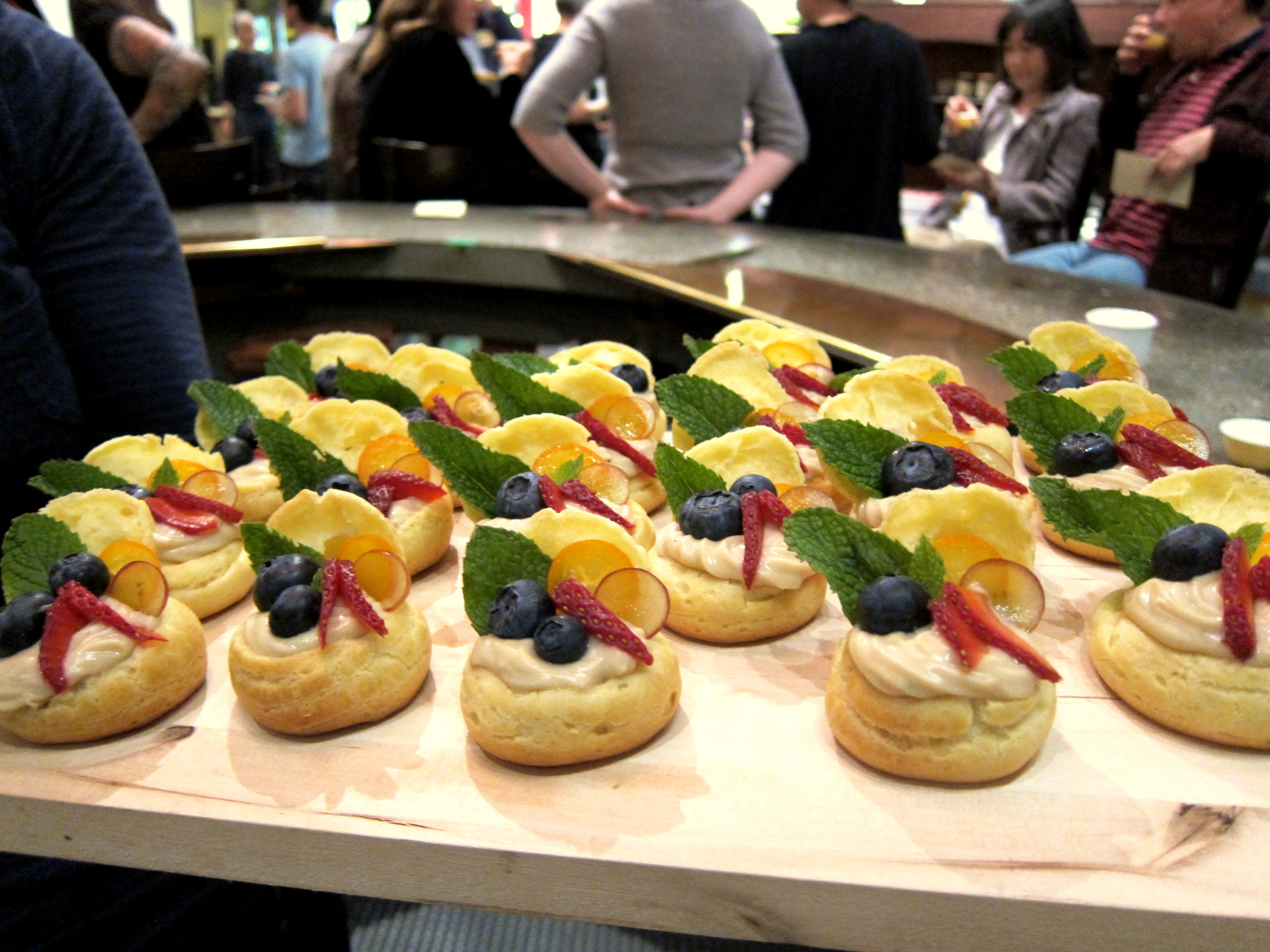
And eat an amazing cream puff. (Cream puffs >>>>>>>>>>>>>>> Cupcakes) Click to see my post on the Spring Harvest Tea Party at Teance tonight. We drank some eye-opening teas, literally and figuratively.

Pre-rain Dragon Well from the Lion Peak

May 07, 2012 By: Mai Truong Category: California - The Bay Area, Drinks, sweet snacks and desserts, Vegan


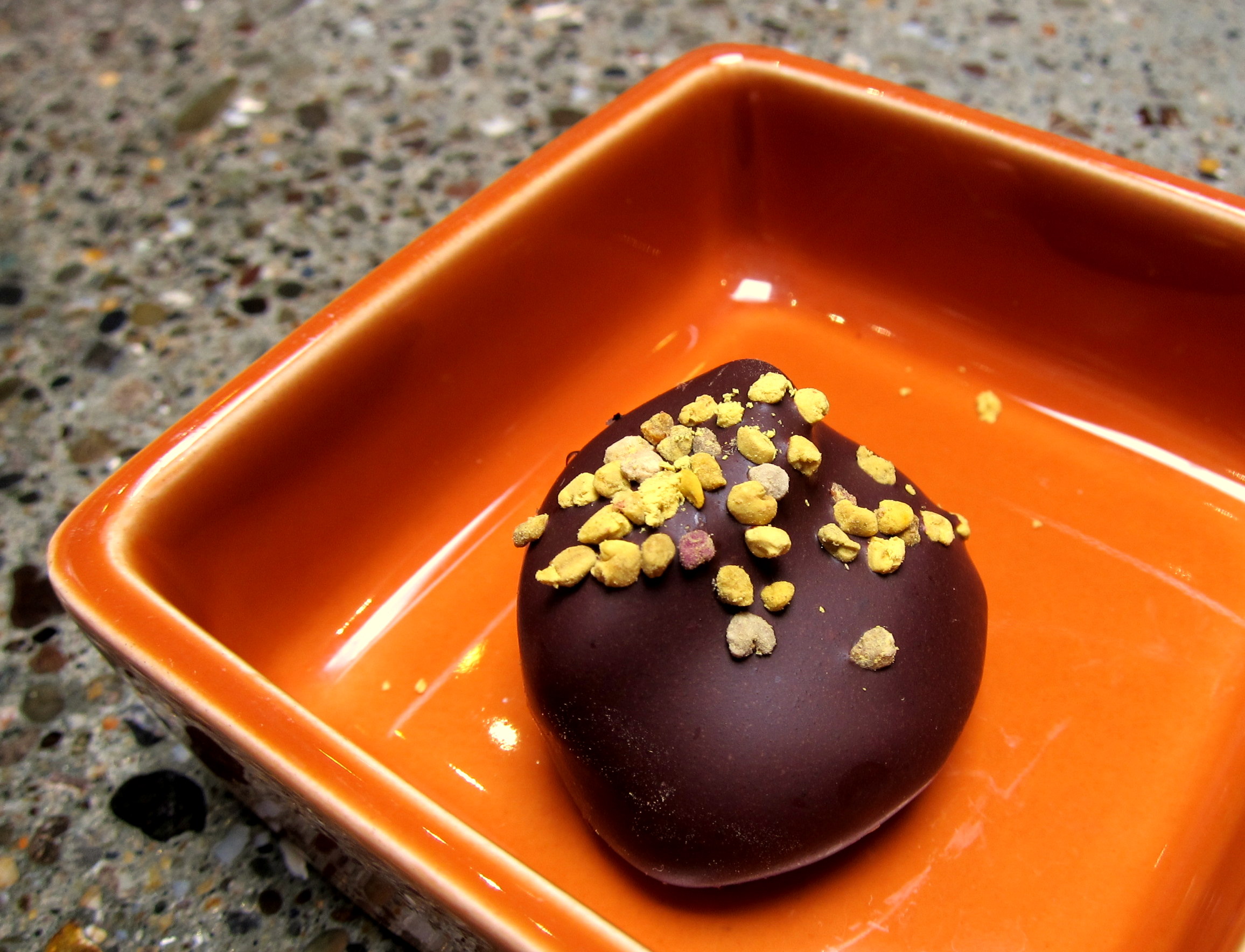
The best (known) green tea of China. The cream of the cream of the crop. I feel sophisticated just drinking it. Paired with a tangerine bee pollen truffle and I almost hear little cherubim playing the lyre.
You can read the whole story in my journal Tea & Mai. I’m off to dance in my head.

Sencha and yomogi mochi

April 16, 2012 By: Mai Truong Category: California - The Bay Area, Drinks, Japanese, sticky rice concoctions, sweet snacks and desserts, Vegan

The third pairing of mochi and Japanese green tea. Perfect!


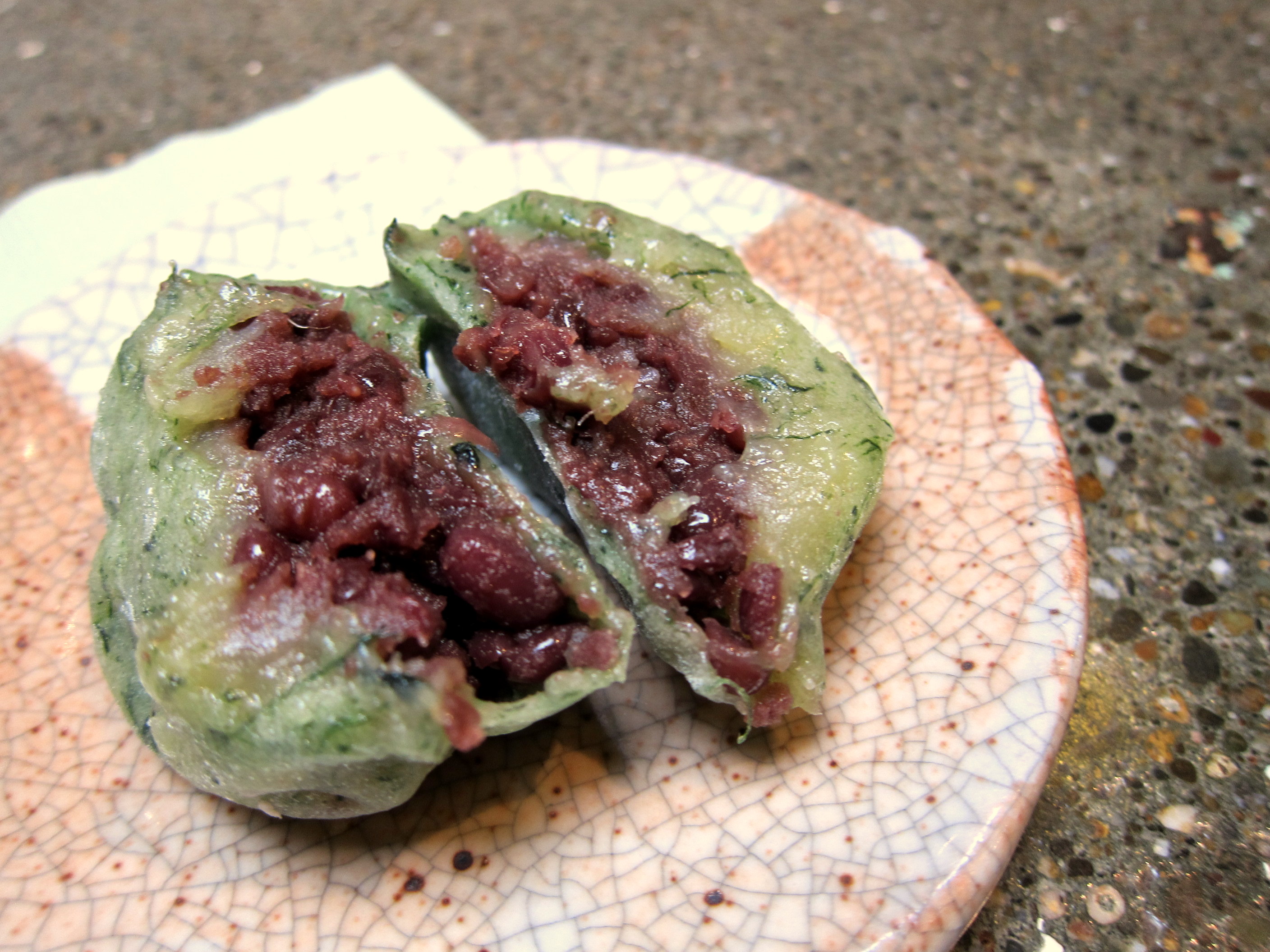
Yes, finally a mochi that goes perfectly with sencha. Yomogi (Japanese mugwort), julienned into tiny strings and mixed with the mochi dough, gives the mochi a clean, refreshing taste, which reminds me of the tip of a Vietnamese bánh ít or a bánh ít gai (*).

However, what struck me was the filling: red bean and sweet potato paste. The red bean is the main factor, the sweet potato is only at the top, closest to the doughy coat. The azuki sweetness subdues the fishiness (umami) of sencha, and the sencha bitterness subdues the sweetness. Is this why the Japanese use azuki for their desserts so often?

Why didn’t the sencha – matcha-mochi pair work as well? The matcha mochi also has azuki paste, but I think the orange juice and the walnuts distracted me. The yomogi clarifies the taste in a more floral and less bitter way than the matcha; and like saffron, sometimes a spice’s presence isn’t noticeable, but its absence would be. Anyways, this pair also shows that a simpler mochi can be a better mochi.

(*) Like mochi, bánh ít has a sticky rice dough with fillings, which can be sweet (coconut) or salty-sweet (mung bean paste). Unlike mochi, it’s all wrapped up in leaves, and it’s about 4 times bigger than a mochi. Shape-wise, mochi is most similar to bánh quy, whose green color (should) comes from pandan leaf. Similarly, the black color of bánh ít gai comes from the thorn leaf (ramie leaf), but the other ingredients are the same.

This post also appears on Tea and Mai

P.S. Sencha is interesting. It’s bitter at first and gets nutty later. It tastes odd at first because it’s not what you would expect from a drink, but the more you drink it, the more you’re attracted to it.

P.P.S. Yomogi mochi is also called “kusa mochi” (grass mochi). So Ms. Yuri Vaughn the mochi artist for Teance calls it “yomogi grass mochi”, which made me think that yomogi was a grass.