Flavor Boulevard

We Asians like to talk food.
Subscribe

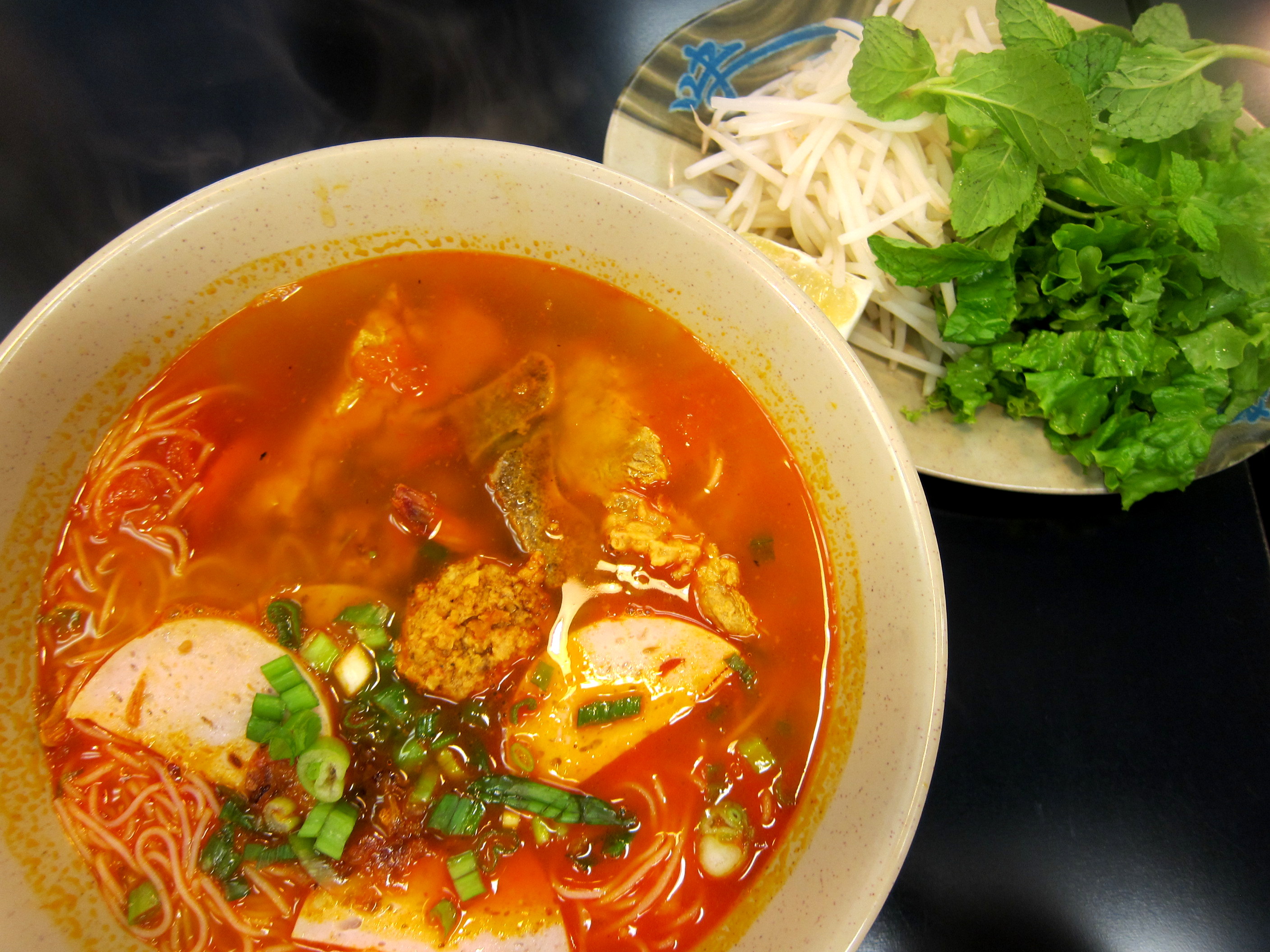
one shot: Bun Rieu at Ba Le Sandwich
June 26, 2013 By: Mai Truong Category: California - The Bay Area, Comfort food, noodle soup, One shot, Southern Vietnamese

ba-le-sandwich-bun-rieu
Good ol’ tomato and crab noodle soup from Southern Vietnam: bún riêu (pronounced |boon rhee-oo|). The broth looks alarmingly spicy but this soup is actually never spicy. The orange red color comes from tomato and annatto seeds, and if you’re lucky, crab roe (if fresh crabs are used for the soup).

The sweetness of the broth comes from freshwater paddy crabs, where the whole crab (meat and shell) is ground to a paste and strained for the juice. It’s a delicate, distinctive sweetness that can’t be reproduced with dashi no moto, meat bones or mushroom. To deepen the flavor, the cook adds some mắm ruốc, fermented krill paste, to the broth.

Traditionally, bun rieu has crab meat and tofu for the protein part, but bun rieu at Ba Le Sandwich is ladened with cha lua, pork and shrimp.

Traditionally, it’s one of those commoner’s noodle soups that every other street stall sells in Vietnam, nutritious, filling, unrefined, a richness of everyday life and earthy pleasures. Somehow I grew up not thinking much of it and was never impressed by it. In the bustle of North Cali, bun rieu is still nothing more than a commoner’s noodle soup, never elevated to the level of party food, but the more I think about it, the more I find it romantic. In one bowl, I was tasting the unctuous harmony of wetland and freshwater, of simple vegetables and grains and crustaceans that grow up together in one environment and end up together in one pot, or at least that’s how the noodle soup was originally designed. Do things taste best in the company of what they grow up with? I’m inclined to think so.
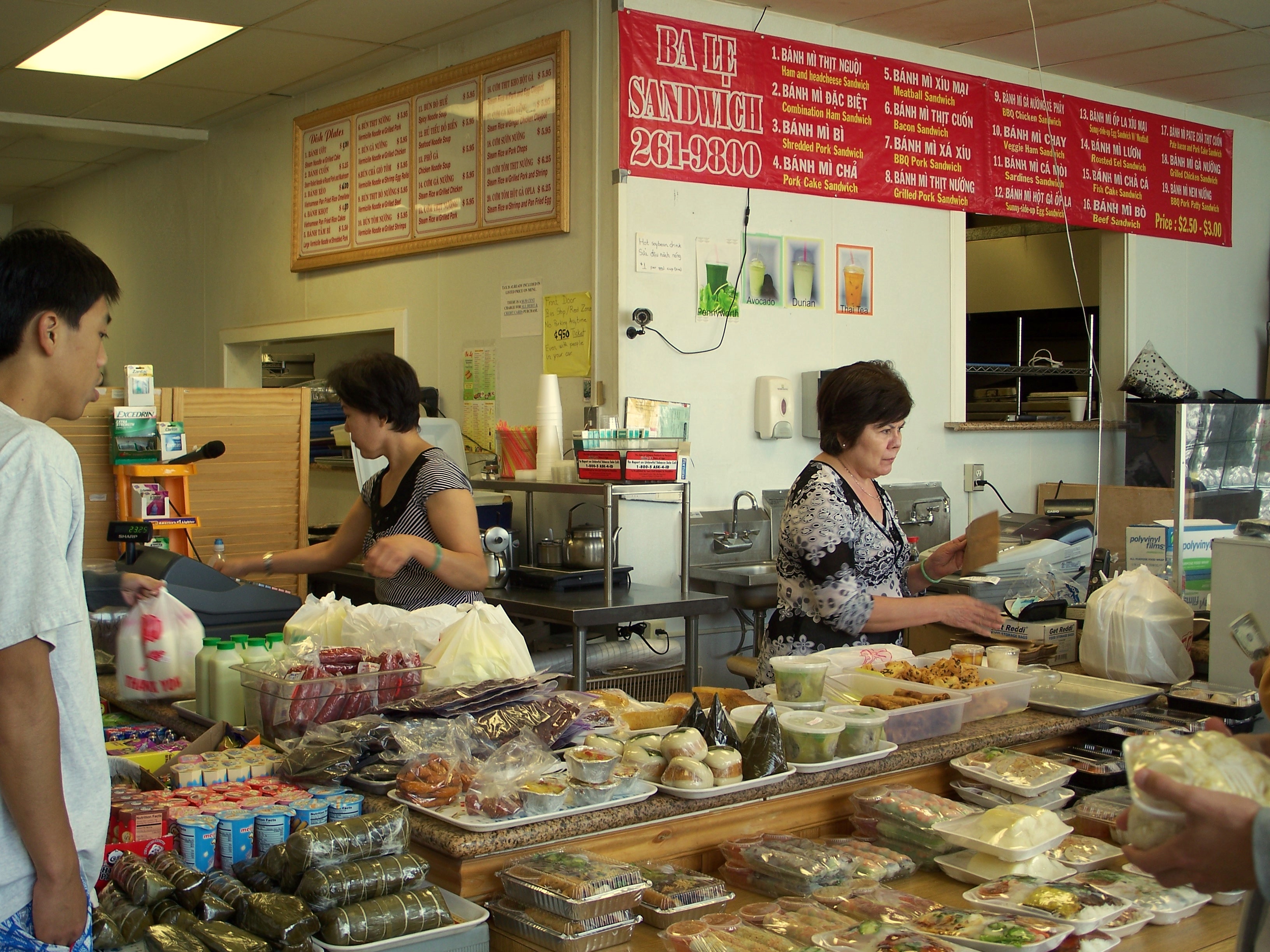
banh-mi-ba-le-interior
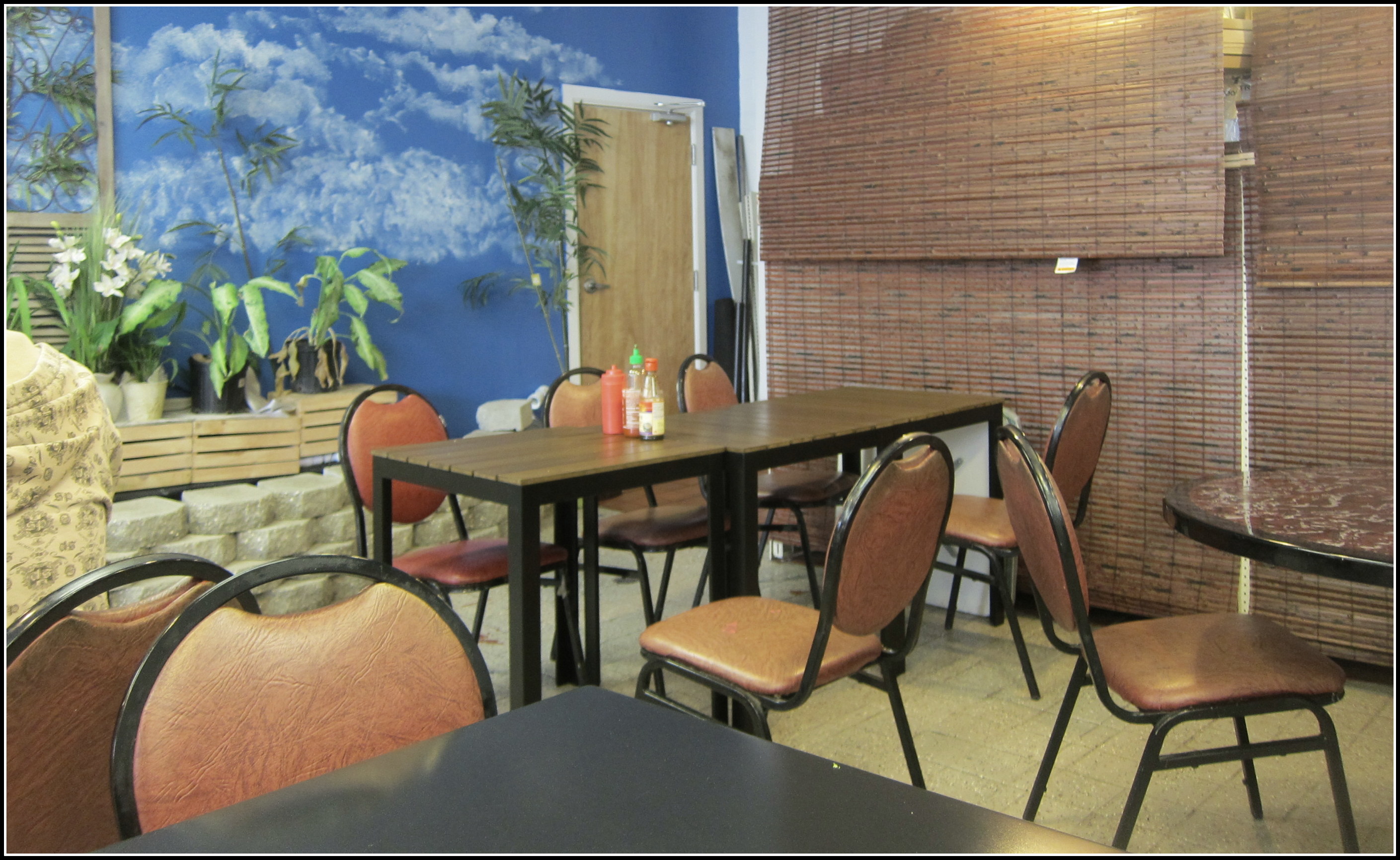
Back to a matter-of-fact viewpoint, the inside of Ba Le Sandwich in East Oakland, has been renovated earlier this year into a neat little diner enough to sit 12-14 people, since most customers come for to-go banh mi and on-the-counter goodies such as mungbean milk and sesame beignet. They have hand down the best banh mi in the East Bay north, but everything else tastes good because they know how to season things.

Address: Banh Mi Ba Le (Ba Le Sandwich)
1909 International Blvd
Oakland, CA 94606
(510) 261-9800

One bowl of delta romanticism: $6.50. Another awesome thing about this place: they open at 6:30 am.
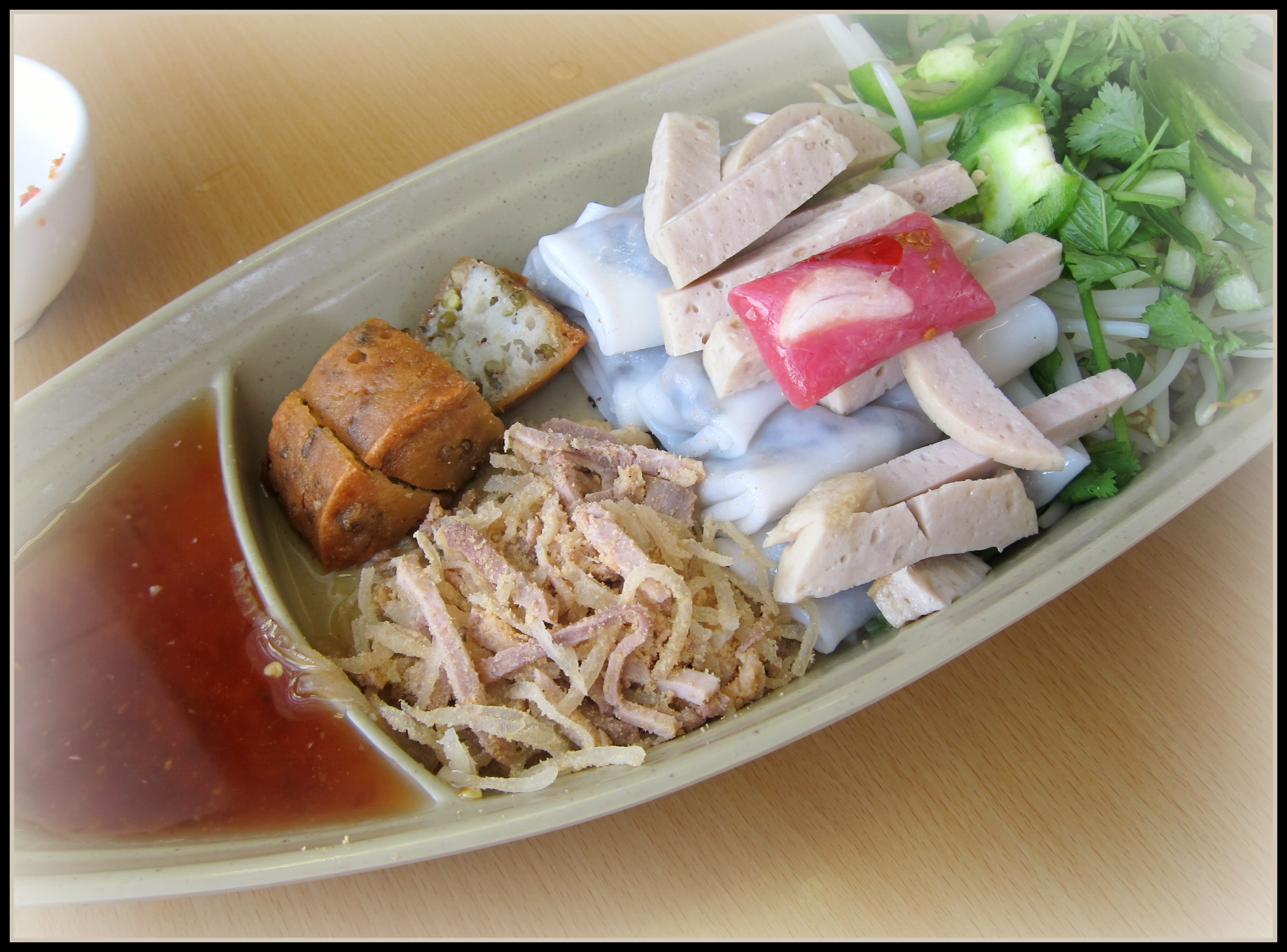
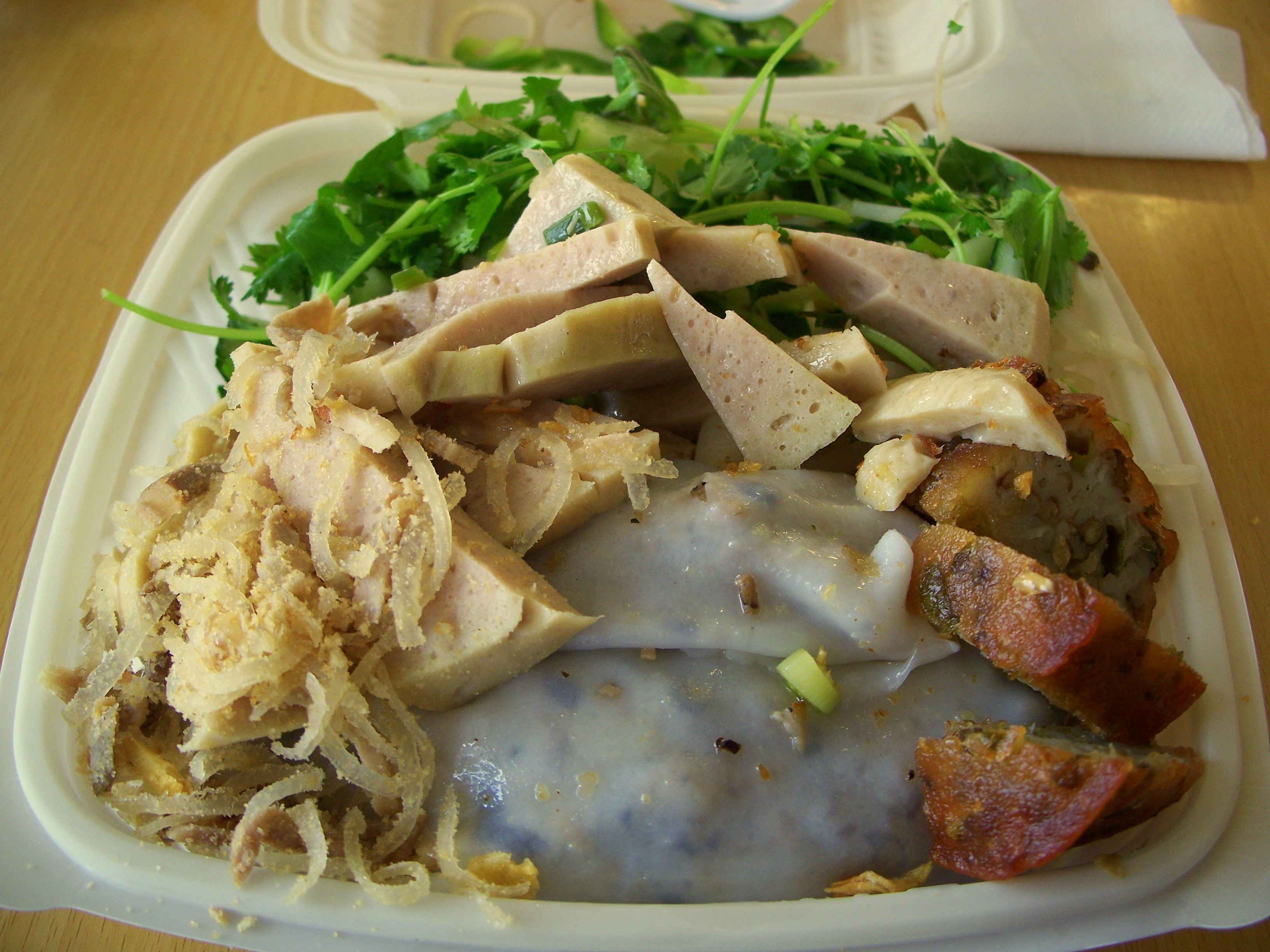
Banh cuon - steamed rice rolls stuffed with pork and mushroom (the white things), and accessories.

Banh cuon – steamed rice rolls stuffed with pork and mushroom (the white things), and accessories.
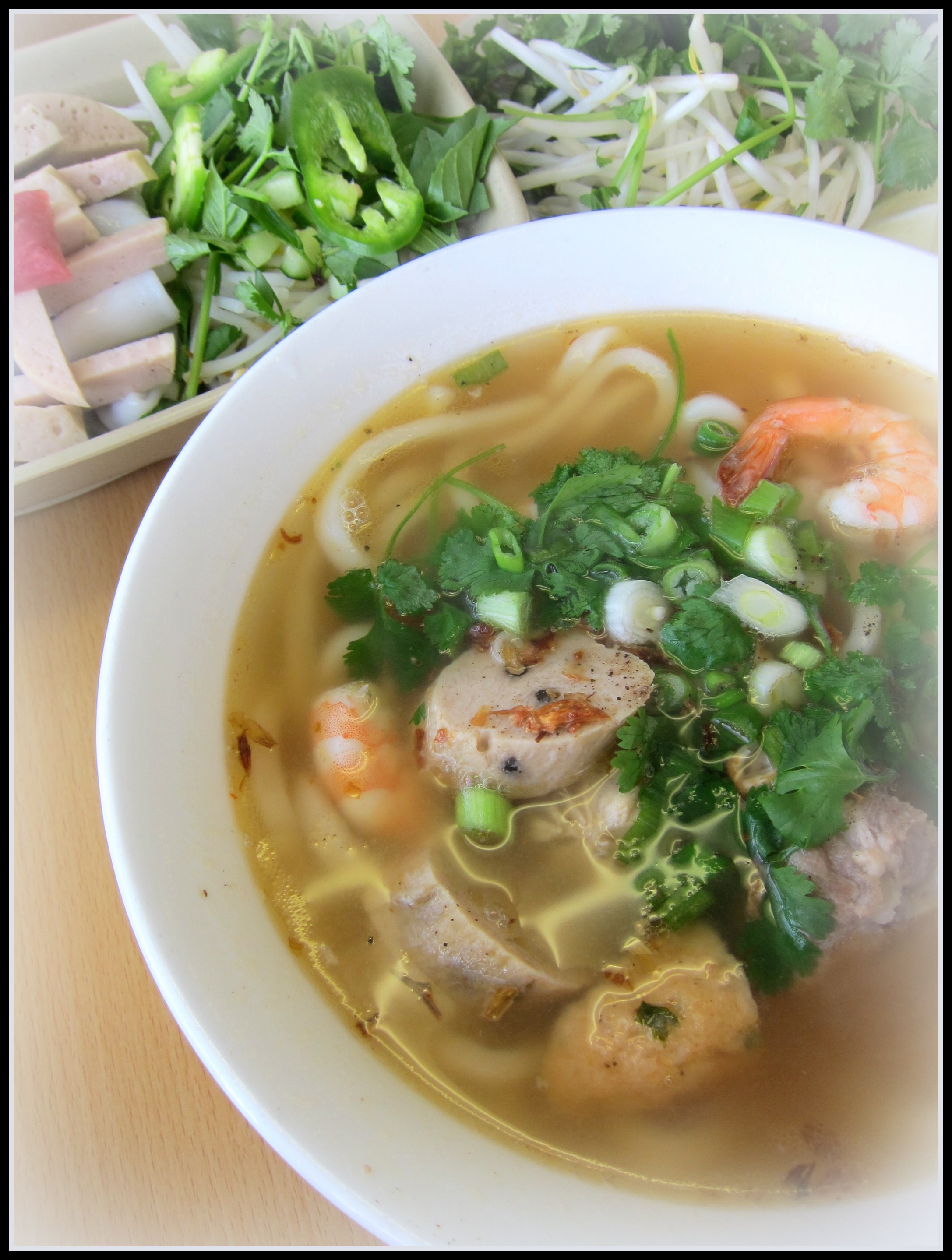
Banh canh - It's supposed to be tapioca noodle soup with short fat noodle made from tapioca and rice flour, but Ba Le uses Japanese udon instead. The broth is kept original, though.
Banh canh – It’s supposed to be tapioca noodle soup with short fat noodle made from tapioca and rice flour, but Ba Le uses Japanese udon instead. The broth is kept original, though.
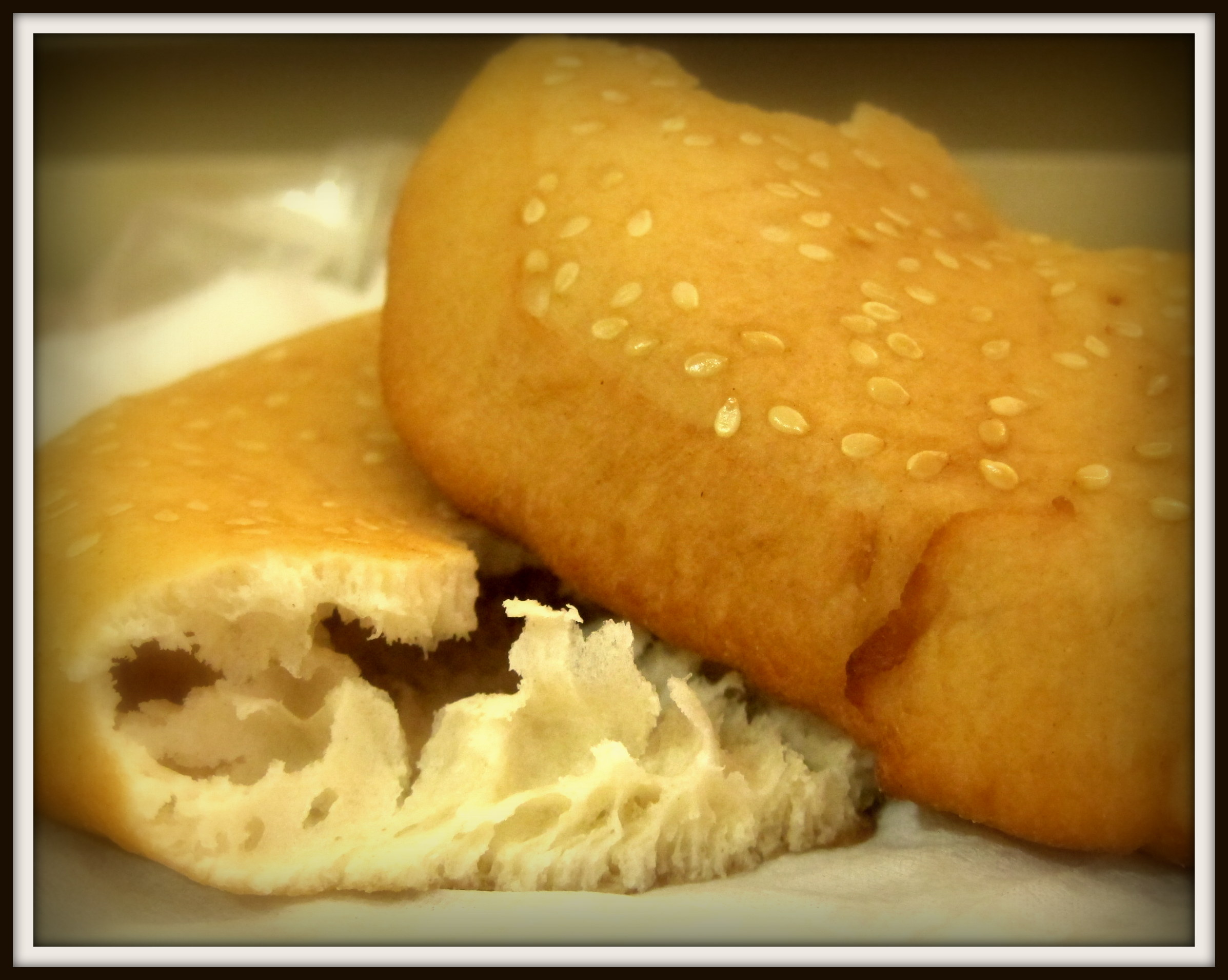
Sandwich Shop Goodies 19 – Bánh tiêu (Chinese sesame beignet)

April 03, 2012 By: Mai Truong Category: California - The Bay Area, Chinese, One shot, savory snacks, Southern Vietnamese


Little Mom and I… we just have different tastes. She likes seafood. She prefers crunchy to soft. She doesn’t like sticky rice (!) She thinks the mini sponge muffins (bánh bò bông, the Vietnamese kind) are sourer than the white chewy honeycombs (bánh bò, the Chinese kind). I beg to differ. The mini sponges can be eaten alone; the honeycombs are almost always stuffed inside a hollow fried doughnut that is more savory than sweet: their sourness needs to be suppressed by the natural saltiness of oil and the airy crunch of fried batter. That doughnut, brought to us by the Chinese and called by us “bánh tiêu“, saves the honeycombs.

The honeycombs could go hang out with the dodo for all I care, but this Saigonese would always appreciate a well-fried bánh tiêu. At any time of the day, one would be able to spot a street cart with the signature double-shelf glass box next to a vat of dark yellow oil. The oil gets darkened from frying too many doughnuts too many times. Sure, it isn’t healthy. But should you really care about health when you eat fried dough?

“Fried dough has appeared in different forms – round, square, triangular, twisted – under many different names. The Dutch settlers had olykoeks (oily cakes); the French in Louisiana had beignets; the Spanish from Mexico made puchas de canela; and the Pennsylvania Germans made fastnachts around Lent.” (Jill MacNeice, “Doughnuts“, in the Roadside Food collection) Now I may add that the Vietnamese in California and Texas have bánh tiêu. One quality of bánh tiêu to make it superior over the other fried doughs: it isn’t coated in powder sugar. Studded with white sesame on one side, it tastes subtly salty of dough, fat, and roasted grain.

An excerpt about Vietnamese vendors making dầu cháo quẩy and bánh tiêu:

Vốc một nhúm bột khô rải đều trên bề mặt miếng gỗ đã trơn bóng – cốt để bột nhồi không bị dính – tiếp tục ngắt một cục bột đã ủ cho lên men, nhẹ nhàng vuốt dọc rồi dùng cây lăn cán qua, miếng bột đã được kéo ra thành một dây bột dài mỏng đều. Người bán lại tiếp tục dùng một thanh tre cật mỏng, xắn bột thành từng miếng đều nhau. Xếp chồng hai miếng bột lên rồi dùng một chiếc đũa ấn mạnh ở giữa, thế là đã được miếng bột “chuẩn” để làm bánh quẩy. Còn bánh tiêu thì phải qua công đoạn vốc một nắm mè vất ra giữa miếng gỗ để mè tự rải đều, sau đó mới dùng bột đã ủ đã nhồi cán thành miếng tròn dẹp, một mặt dính mè, một mặt không.
[…]
Bánh quẩy và bánh tiêu thường bán chung, có lẽ chủ yếu là vì hai loại bột làm bánh này không khác nhau là mấy. Cũng bột mì nhồi với bột khai là chính. Nhưng với bánh quẩy, người ta cho thêm chút muối, chỉ một chút thôi đủ để bánh không lạt lẽo, nhưng vẫn còn giữ được độ ngọt nguyên thủy của bột mì.
Còn với bánh tiêu, người ta lại cho thêm ít đường, cũng rất ít, đủ để làm dậy hơn vị ngọt của bột. Vị ngọt của bánh tiêu vì thế rất nhẹ, không như những loại bánh ngọt khác. Với bánh tiêu, người mua cũng không đòi hỏi phải giòn đến như bánh quẩy. Cái hấp dẫn ở bánh tiêu lại là ở những hạt mè thơm ngậy. Những hạt mè trắng li ti sau khi chiên trở nên căng mẩy, quyện với mùi thơm của bột mì chiên giòn trở nên hấp dẫn kỳ lạ. Nếu như bánh quẩy thường được cho vào dùng chung với cháo, với phở thì bánh tiêu thường được dùng kèm với bánh bò. Xẻ đôi chiếc bánh tiêu, kẹp vào giữa miếng bánh bò nữa là được một loại hương vị khác hẳn. Cái mềm xốp của bánh bò khiến bánh tiêu – vốn hơi khô – trở nên dễ ăn hơn, đỡ ngán hơn. Các loại nhân ăn kèm bánh tiêu cũng khá phong phú, tùy sở thích mỗi người. Có người mách nhau kẹp xôi vào giữa, ăn cũng rất ngon, lại có thể thay quà sáng. Có người lại thích nhân “cadé”, là loại nhân làm bằng trứng gà có vị béo ngầy ngậy, rất hợp với bánh tiêu.

Translated and abridged:

[The vendor] scoops up some flour and sprinkles them on the shining flat wooden board, to keep the dough from sticking, then he pinches off a ball of fermented dough, gently pulls it and runs the rolling pin once over to stretch the ball into a thin strip. Then he grabs a sharp bamboo stick, swiftly cuts the strip into smaller, even strips. Putting two strips on top of each other, pressing a chopstick down in the middle, and he gets a “standard” piece of bánh quẩy ready to fry. For bánh tiêu, he would need to sprinkle a pinch of sesame seeds on the board, then flatten the dough into disks, one side studded with seeds, the other side having none.
[…]
Bánh quẩy and bánh tiêu are often sold together because they have similar dough. Mainly, flour and baking soda. For bánh quẩy, they add some salt to make it savory, but not too much that it would diminish the flour’s natural sweetness. But for bánh tiêu, they would add a pinch of sugar to boost that sweetness. Bánh tiêu doesn’t have to be as crunchy as bánh quẩy either. Its goodness lies in the sesames’ fragrant nuttiness. As bánh quẩy is often eaten with rice porridge or noodle soup, bánh tiêu goes with bánh bò. Slit the bánh tiêu open, stuff in a piece of the soft white honeycomb bánh bò, and you get a whole new snack. Some people substitute bánh bò with sweet sticky rice or with egg custard, that really fattens it up.

In Saigon, Vietnam: 1000 VND each.
At Bánh Mì Ba Lẹ, Oakland: 1 USD each. (1 USD ~ 20000 VND)

Address: Bánh Mì Ba Lẹ (East Oakland)
1909 International Blvd
Oakland, CA 94606
(510) 261-9800

Previously on Sandwich Shop Goodiessteamed taro cake (bánh khoai môn hấp)
Next on Sandwich Shop Goodies: Xôi khúc (cudweed sticky rice)

Sandwich shop goodies 17 – Mung bean milk

May 13, 2011 By: Mai Truong Category: California - The Bay Area, Comfort food, Drinks, One shot, Vietnamese

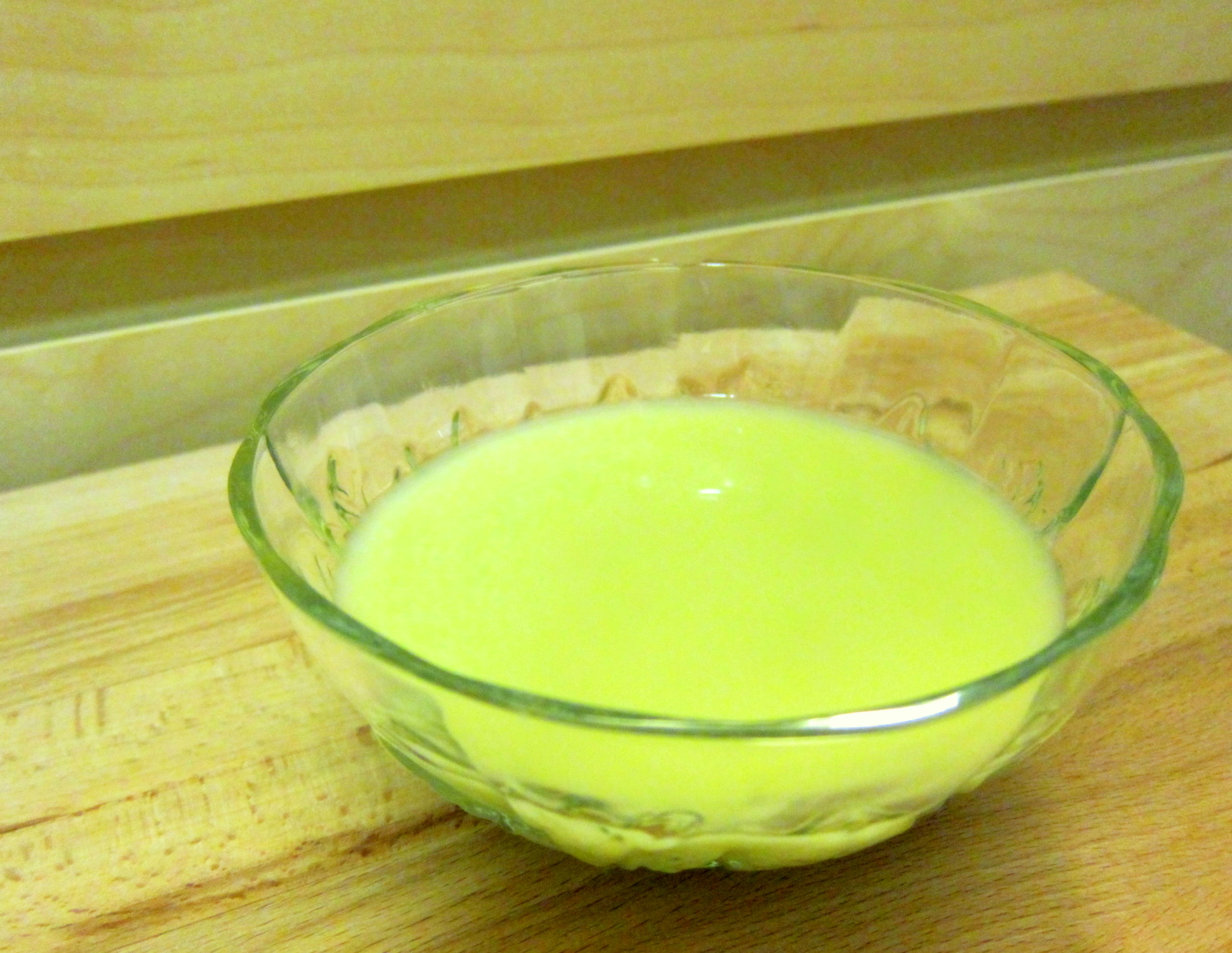
Do you like soy milk?
No? Well, someone once told me that if you don’t expect milk when you drink soy milk, then you’d enjoy it.
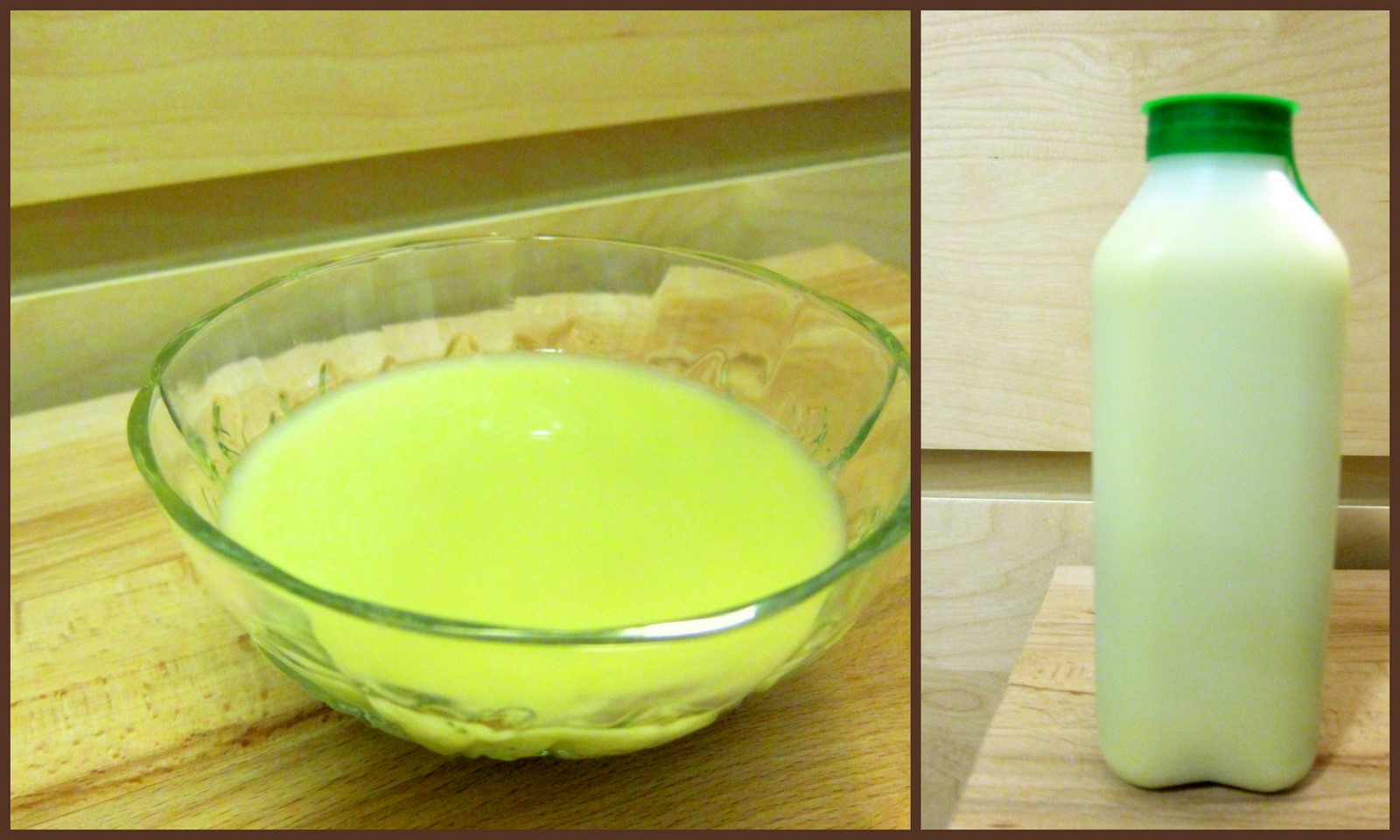
Yes? Then you might just prefer this luscious, green, liquefied nourishment to soy milk.


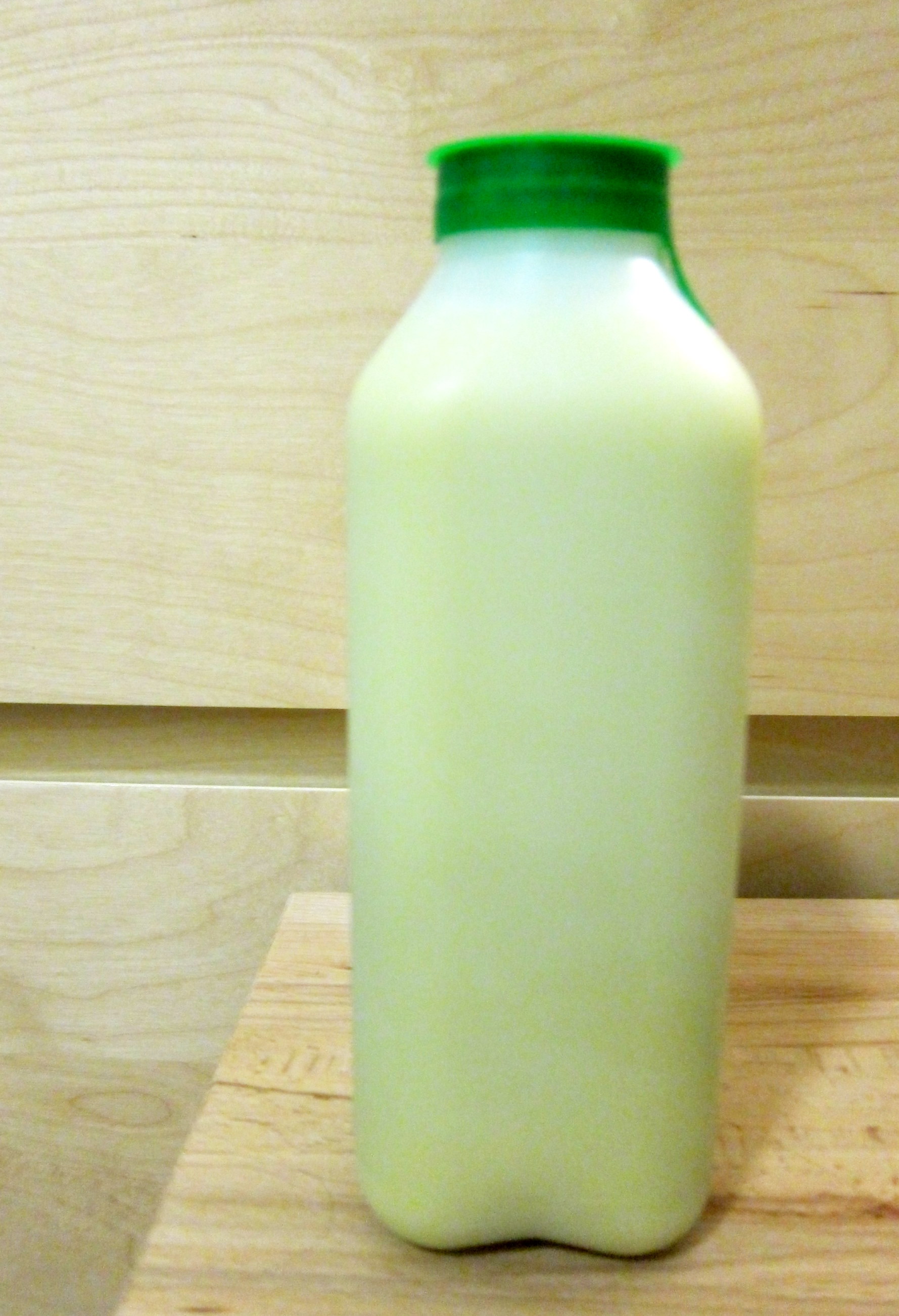
Not only is it nuttier, mung bean milk also feels more natural and more local than the modern soy milk. From the cheap plastic bottle with a green plastic cap and no label (that means no half-stamped “Sell by…” either), you can probably tell that it didn’t go through any metallic machine with pulleys and tubes. Whoever makes this mung bean milk probably soaks the beans overnight in a dented aluminum basin, boils the extract at 2 am in a sooty pot, and bottles the final liquid via a red plastic funnel that looks just like the one they always use for oil change. It doesn’t really matter as long as the delivery of a fresh batch comes at 6. The sandwich shop unstretches its iron folding doors. The customers start buzzing in. At 11 I came. I grabbed a bottle at the cashier. It was warm.


Two and a half hours later I got home and the milk got cold. I packed the 16 oz bottle into my minifridge next to the banh mi and banh bao (from the same store), sighing in relief that it’s just short enough to stand fit on the upper shelf. Was the bottle I had back then also about this size? How many years ago since I had last tasted that nuttiness in a glass? I dialed, “Mom, guess what I bought today! Sữa đậu xanh!”

On the other end of the phone I could hear her eyes widened and her lips part into a half moon shape. She’s happy. Every day for some time between my fourth and sixth years, Little Mom used to buy me a pint of mung bean milk from a grandmother of one of Dad’s students, and it had to be that grandmother because of her indisputable cleanliness. When I was 6, we switched to the packages of Vinamilk’s pasteurized fresh (cow) milk, a more convenient alternative to get in loads per week. Actually, I remember the cow milk packages with light blue words printed on white and the typical picture of a black-and-white Holstein cow, but not the mung bean milk bottles, barely the fact of drinking it every day. The point is, even in the Saigon of the ‘80s, mung bean milk was rarer and pricier than cow milk. Today, Bánh Mì Ba Lẹ in Oakland sells $2.50 for every 16 oz bottle, roughly six times more expensive than a gallon of cow milk, which you can get on average for $2.99 at your local grocery. Not that the price always represent the taste, but if I were a cow I would sulk a little, knowing that those helpless bird-eye seeds could produce something more valuable than my giant rectangular body could.

Now, about the taste… I’ve tried mung bean milk both ways: chilled in the fridge and warmed up in the microwave. Warm is better. Warm embraces the sweetness instead of masking it. Warm sooths your sensors from the tongue all the way down the esophagus. Warm also elevates the fragrance of pandan leaves and mung bean.


I wanted to stock up on the stuff so much I came back the next Sunday afternoon to buy off their last 4 bottles: 2 on the counter and 2 from the fridge. I refrigerated them all and refrained from drinking them that night; like a poor drug addict I tried portioning whatever little amount I had for the whole week: 1 bottle per two days seemed satisfactory. But ah the best-laid schemes gang aft agley, Wednesday morning one bottle turned sour on me.

“There goes three precious pints down the drain,” thought I. But it turned out the remaining two were fine. ‘t was one from the counter that got ruined. The cold ones stayed for 6 days. So unless you drink it within two days, buy the refrigerated bottles, keep fridging, then shake it well and warm it up with a microwave when you drink.


One last bit to tell you how stingy I get when it comes to mung bean milk: I drank and drank and at the bottom there was the thick beany leftover, I poured in some water, shook it up, more mung bean milk for me.

Address: Bánh Mì Ba Lẹ (East Oakland)
1909 International Blvd
Oakland, CA 94606
(510) 261-9800

Previously on Sandwich Shop Goodies: nước rau má (pennywort juice)
Next on Sandwich Shop Goodies: bánh khoai môn hấp (vegan steamed taro cake)

This post is submitted to Delicious Vietnam #13, May edition, hosted by Jing of My Fusion Kitchen.

Better than banh mi thit nuong

April 26, 2011 By: Mai Truong Category: California - The Bay Area, Comfort food, sandwiches, Vietnamese


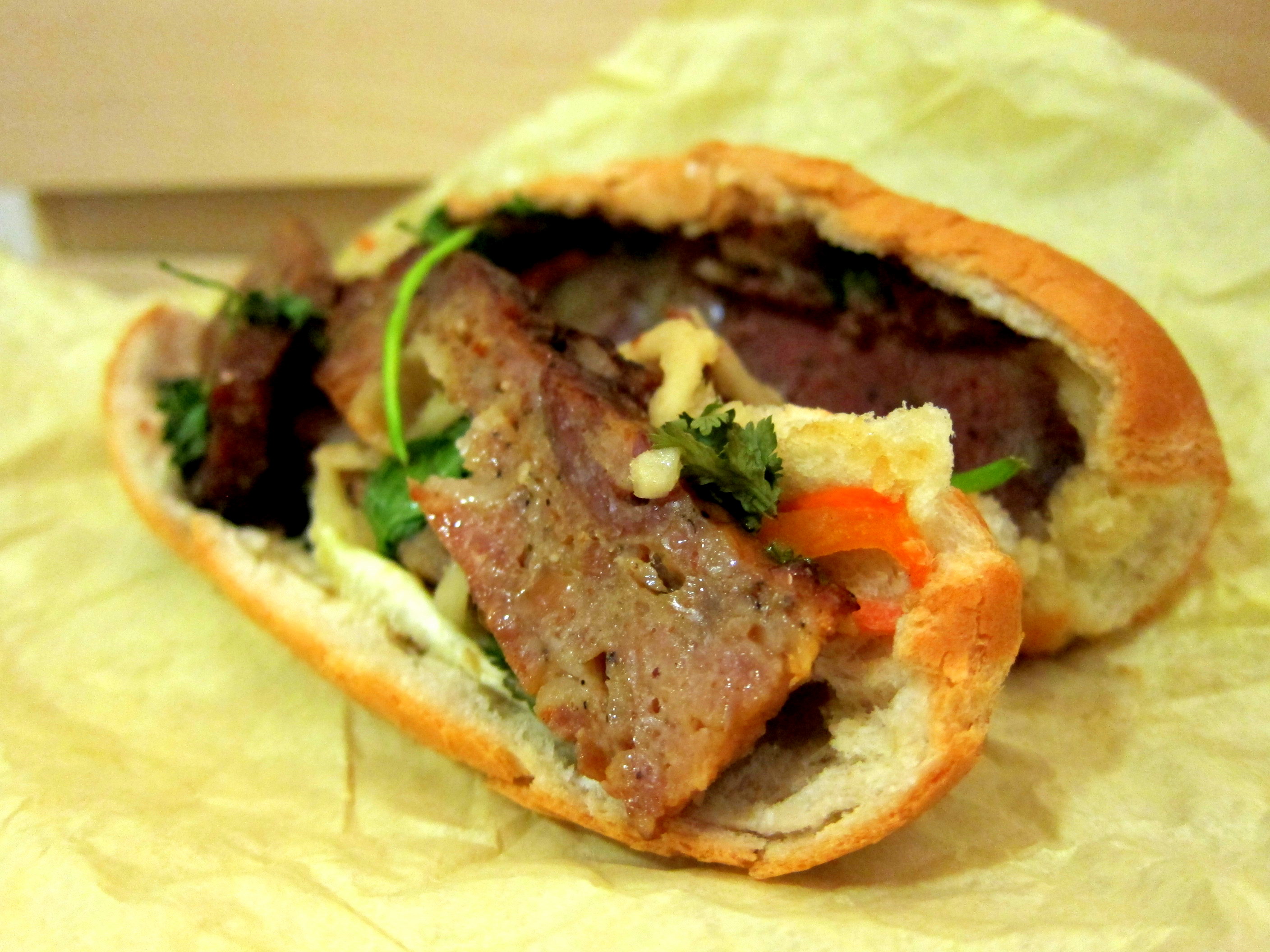
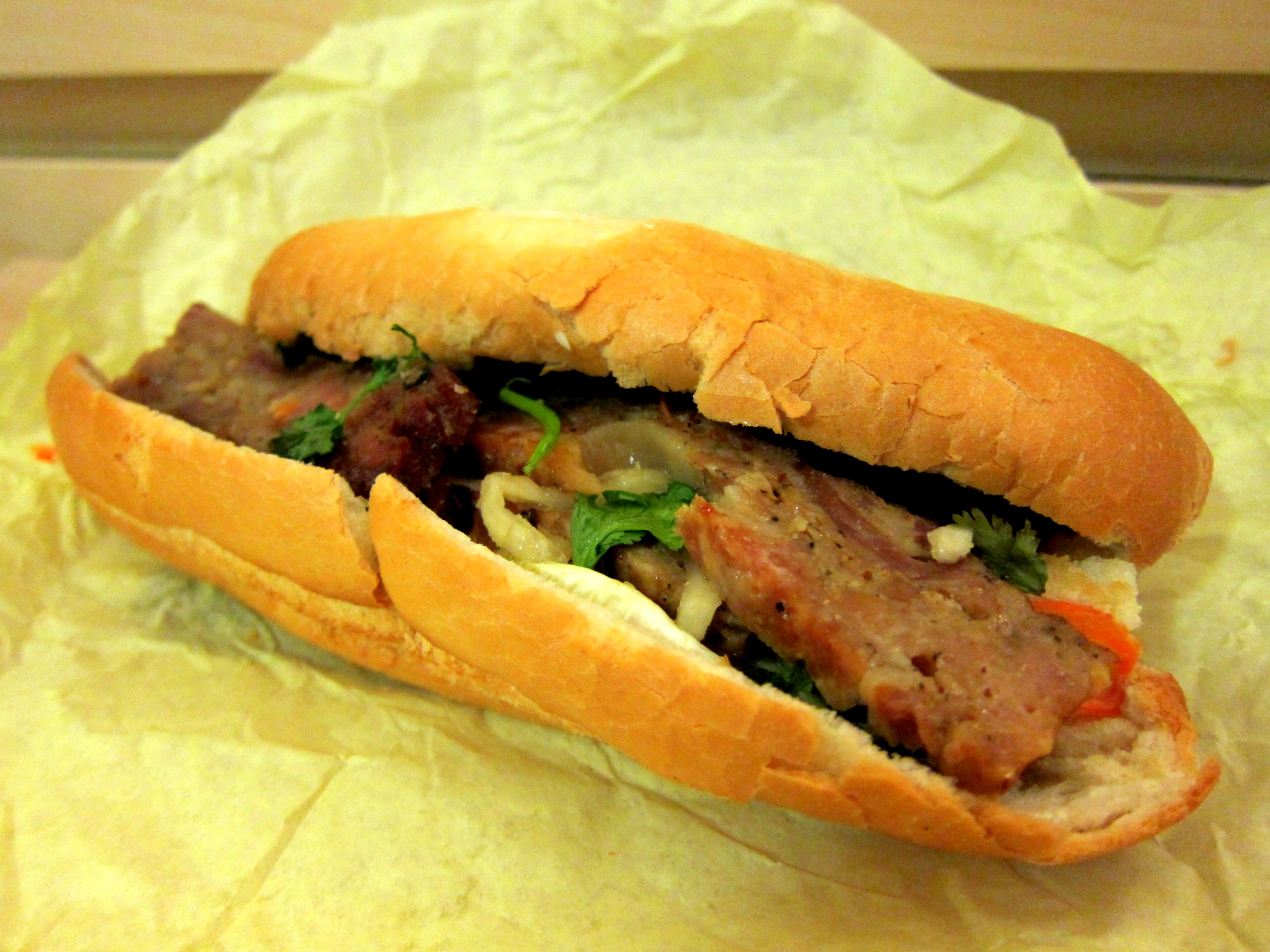
Isn’t she a fine beauty?


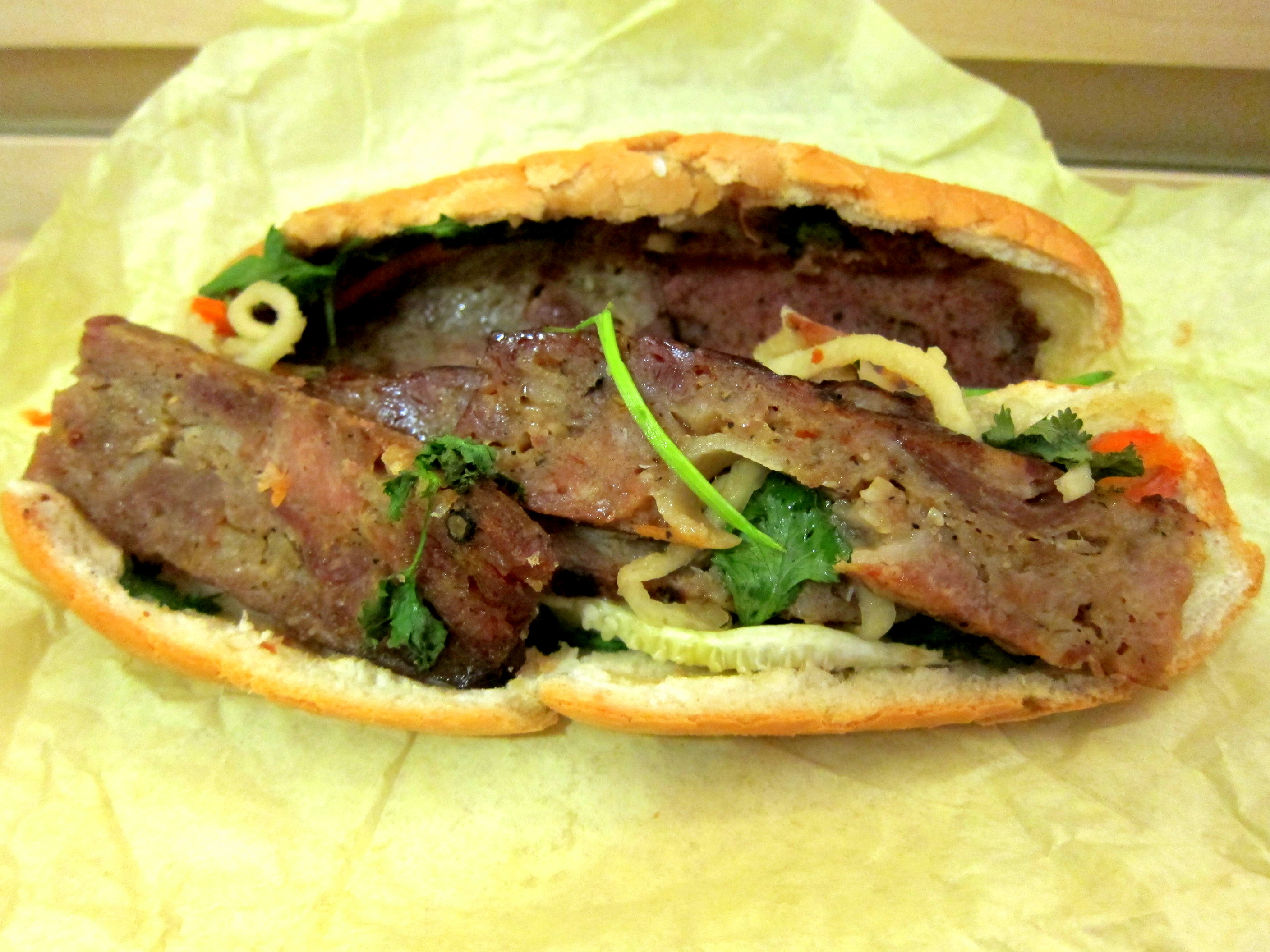
Stuffed to the brim. Peppery chunky crunchy meatloaf. Cucumber strips, cilantro twigs, carrot and daikon strings. And beneath it all, a layer of (possibly homemade) velvety vietnamesischer Braunschweiger, als ob es jeglichen Sinn ergibt. Ja, der Sandwich ist so explosiv gut it induces a spontaneous breakout of German.


Bánh mì pâté thịt nướng*. Not the usual chargrilled pork banh mi I’ve had elsewhere, this one has some kind of briny rich meatloaf. I ordered only two miserable loaves. Shoulda got 20!

On top of that I found the secret to a good spicy yet non-spicy banh mi.

I forgot to ask them to hold the pepper, so they put in loads of jalapenos, which I could only picked out when I got home an hour later. You can get rid of the pepper (and you should, unless you have a parrot tongue**), but you can’t get rid of the pepper sting (which you shouldn’t). That mere fire tail left behind in the bread and the veggies and the meat gives just the right kick without overwhelming the other tastes. But if you wait too long (a few hours in the fridge) to pick out the jalapenos, then you might as well not pick them out at all, the sting has already soaked deep.

Address: Bánh Mì Ba Lẹ (East Oakland)
1909 International Blvd
Oakland, CA 94606
(510) 261-9800

(*) I didn’t see “bánh mì pate thịt nướng” or “thịt nướng pate” anywhere on the menu, I just copied the customers who ordered before me and the ones before them. Seems like a popular combination, for obvious reasons. So bánh mì is really like cơm tấm, only your imagination, not the printed menu, can limit your options! 😉

(**) I was told that the if you feed parrots chilipeppers, which they actually can eat, their pea-shaped tongue can get thinner (the heat peels it off) and allow them to talk. I haven’t found a source to verify this though…

Sandwich Shop Goodies 16 – Nước rau má (pennywort drink)

April 23, 2011 By: Mai Truong Category: California - The Bay Area, Drinks, One shot, Vietnamese


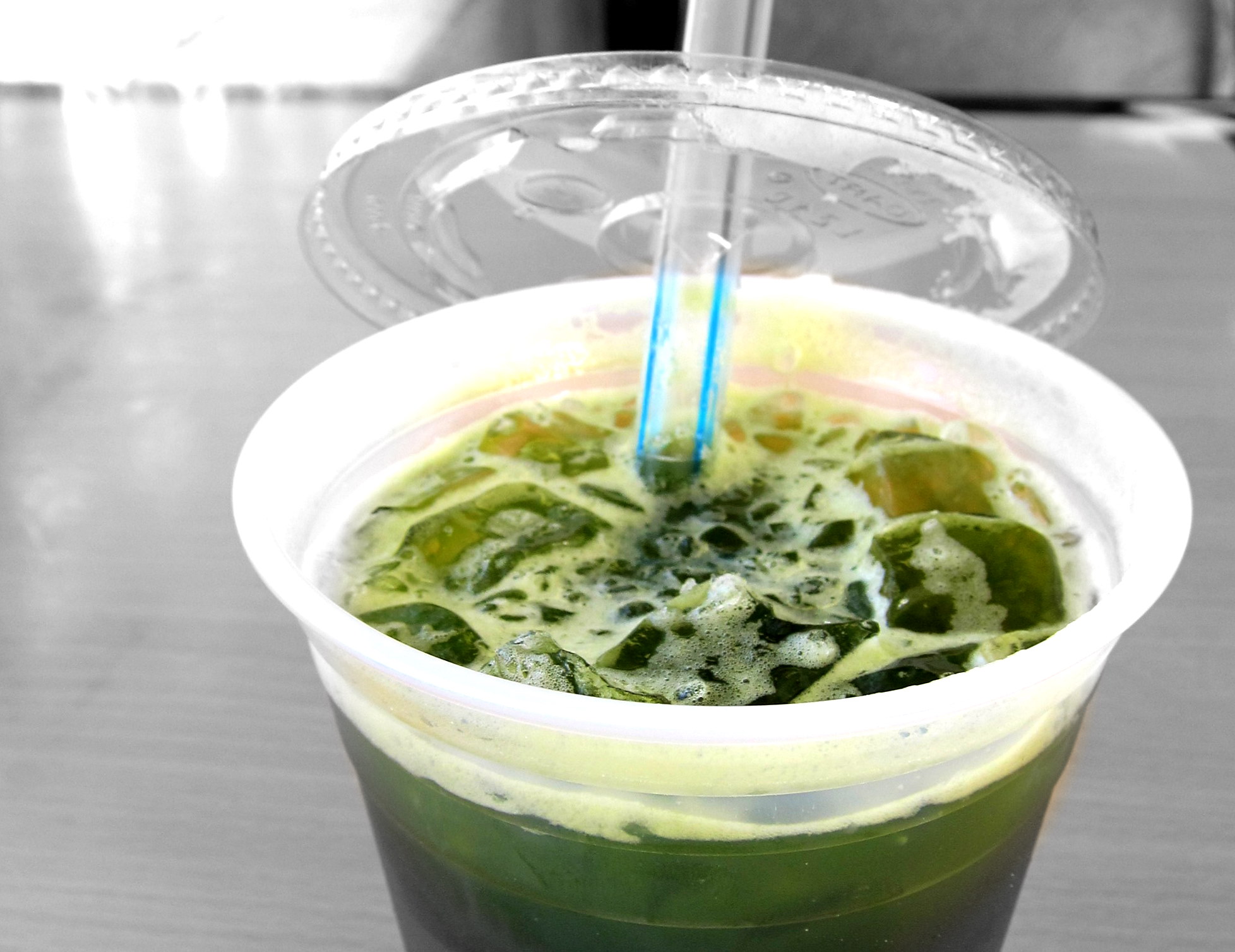
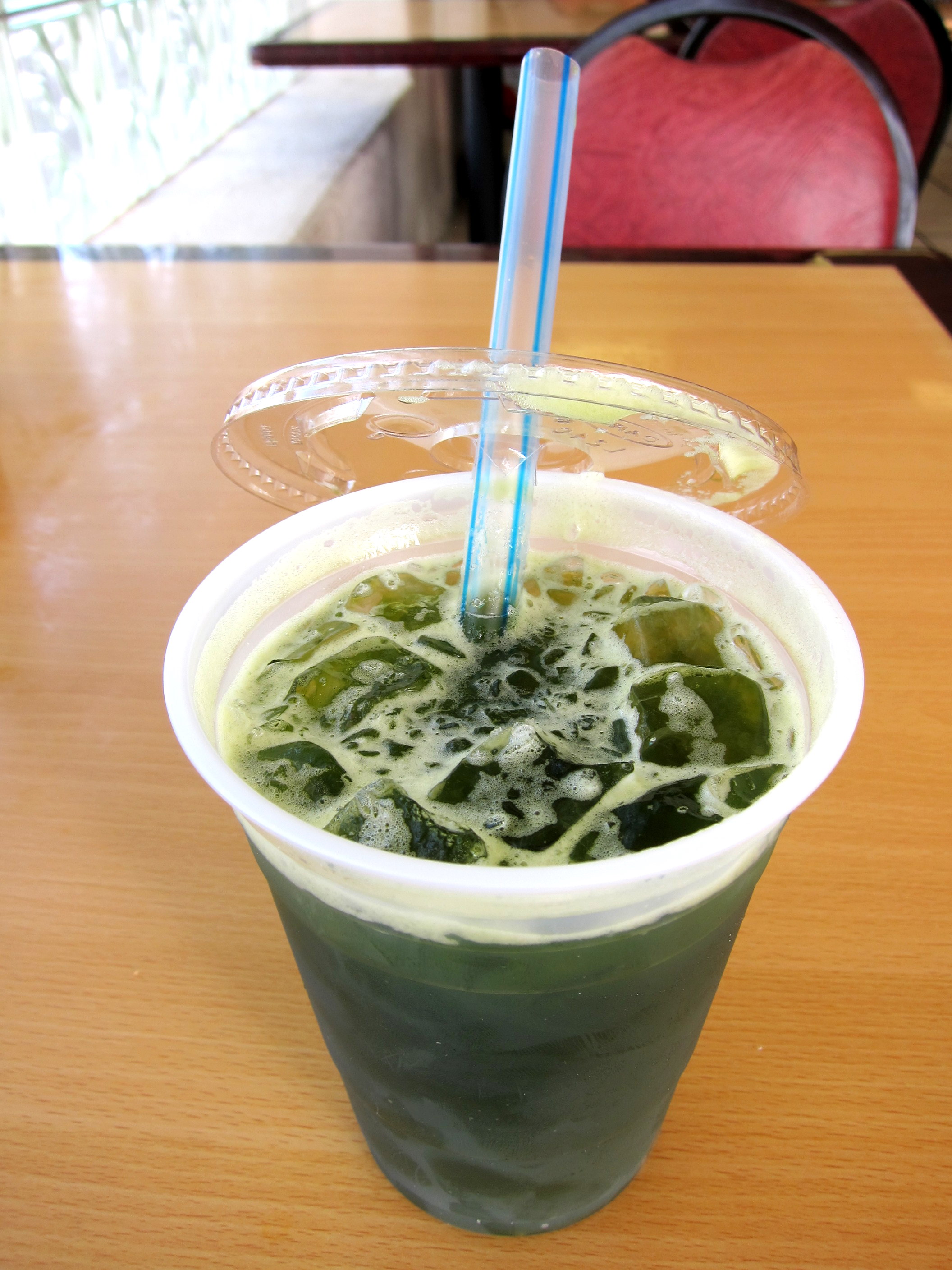
Emerald green. Chilled. Clear. Leafy. Mildly sweet (sugar is added). Every time I pass by a patch of fuzzy spring grass, I dream of munching a tuft and inhaling the lush, youthful aroma of those dew- and rain-soaked blades. This two-dollar drink in this plastic cup is my dream come liquefied.

Lately I have been slacking on the blogging front, mainly because I took on an editing job to compensate for my unwillingness to cook. Ironically, now my eating out budget has increased but I have neither time to eat nor to write about the stuff that I eat. On top of that, the last few weeks of the semester are, naturally, the time to sprint at the end of the marathon and the professors make sure that slacking means death (no joke). But sometimes it backfires when you’re too stressed, you ditch your homework, set out on an hour bus ride to your Vietnamese sandwich shop, order a cup of pennywort drink, and drown your sleep deprivation in eavesdropping others’ conversations.


Little Mom used to make pennywort soup, the best remedy for hot weather and rising body temperature it was. Dad used to eat them raw. The plants almost grow wild, so the leaves cost next to nothing (I wonder why its English name isn’t “pennyworth”). On the streets pennyworth drinks usually get advertised on the same raggedy carts that sell sugarcane juice and fruit smoothies. Those “Nước Mía – Rau Má – Sinh Tố” surrounded with pictures of pineapple and avocado painted on the aluminum sides are a part of every Saigon school front.

But the cup at Bánh Mì Ba Lẹ was my first. There’s the familiar leafy taste in mom’s soup of years back, but the chilled sweetness is refreshingly new. A few tables away, a boy with Tintin‘s hair and two girls were also sipping their rau má. They speak in my mother tongue, yet somehow it sounds so foreign.

Address: Bánh Mì Ba Lẹ (East Oakland)
1909 International Blvd
Oakland, CA 94606
(510) 261-9800

Previously on Sandwich Shop Goodies: bánh quy (turtle mochi)

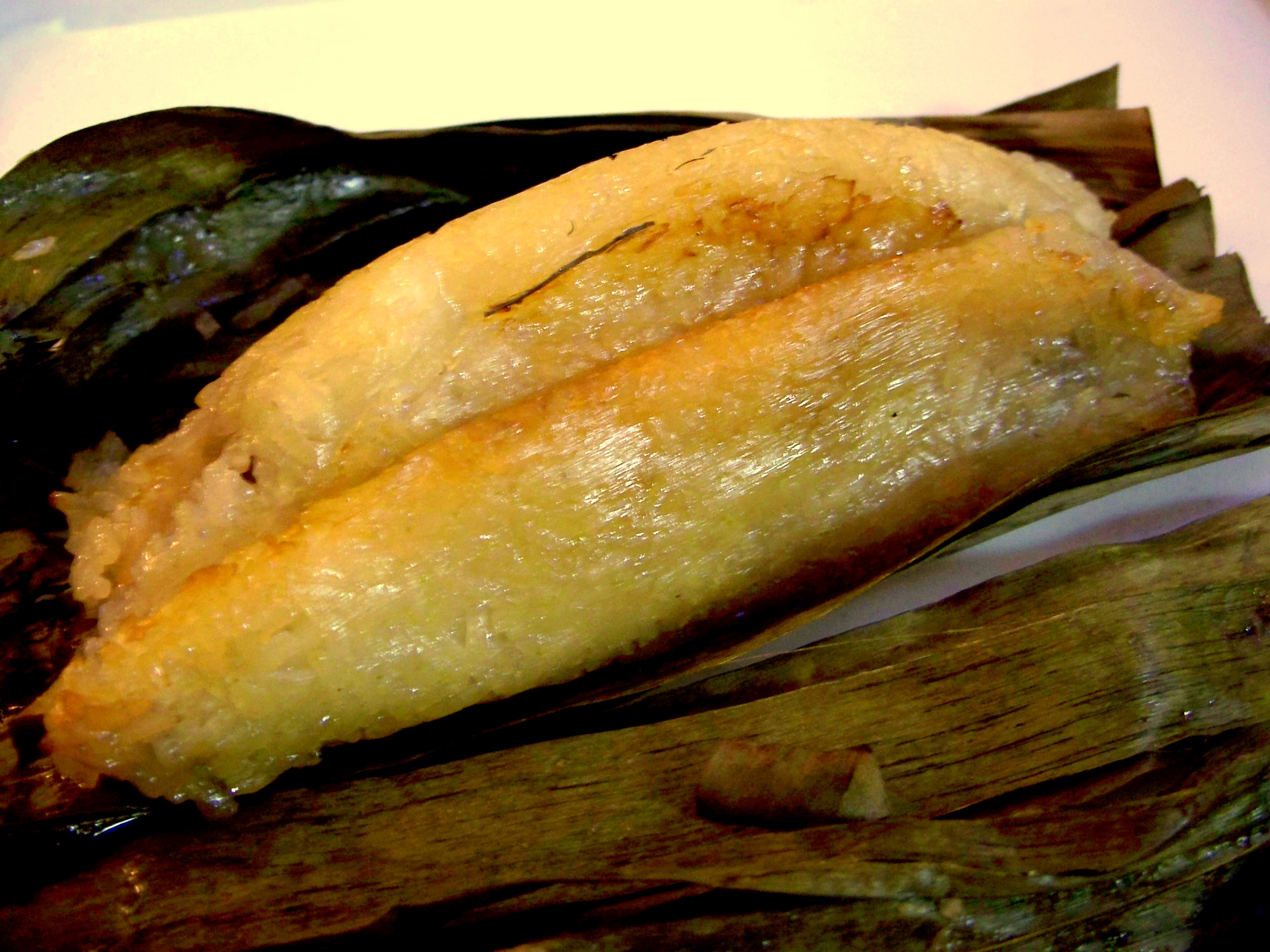
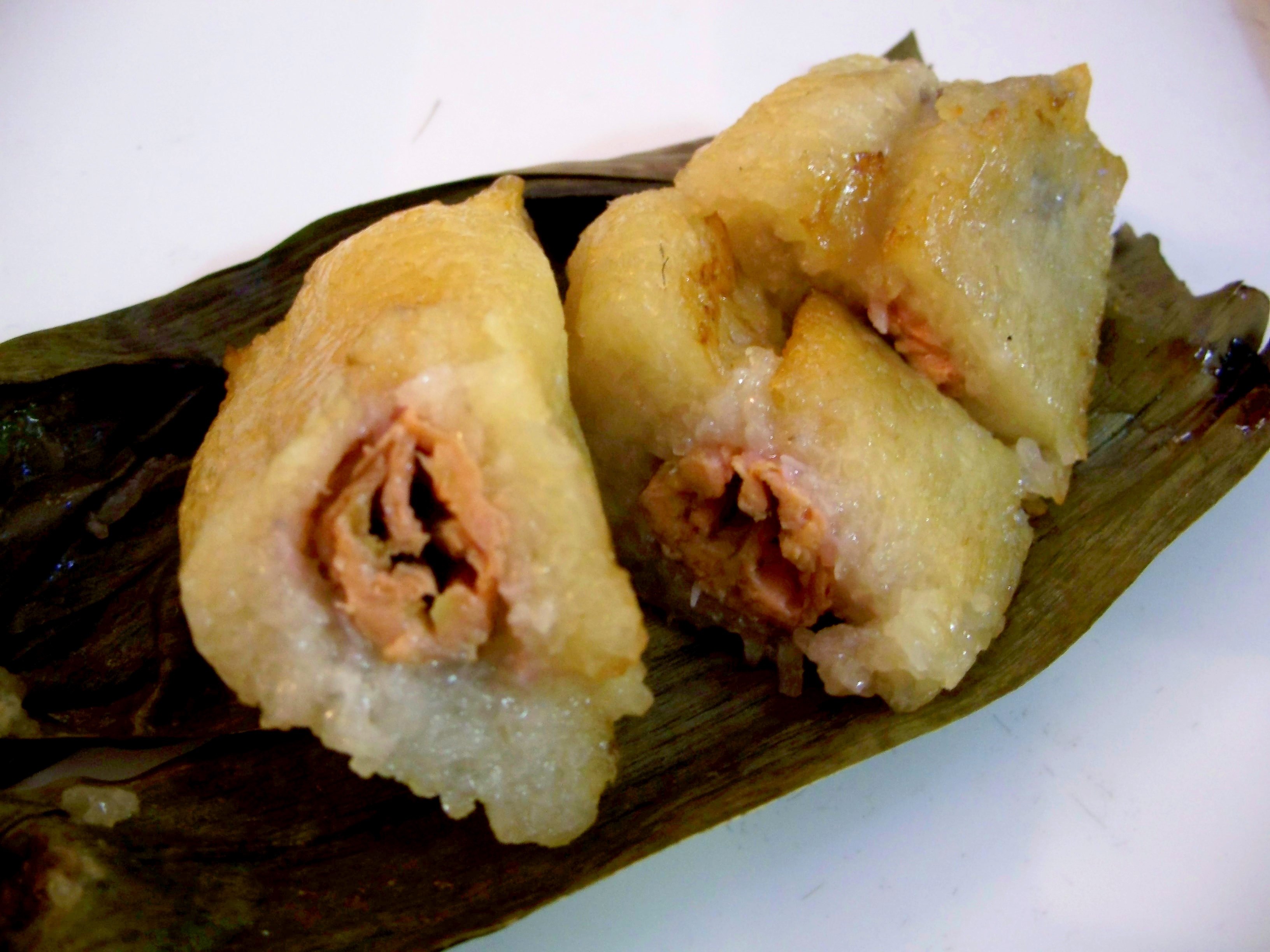
Sandwich shop goodies 12 – Chuối nếp nướng (grilled banana in sticky rice)

November 30, 2010 By: Mai Truong Category: California - The Bay Area, One shot, savory snacks, Southern Vietnamese, sticky rice concoctions, Vegan


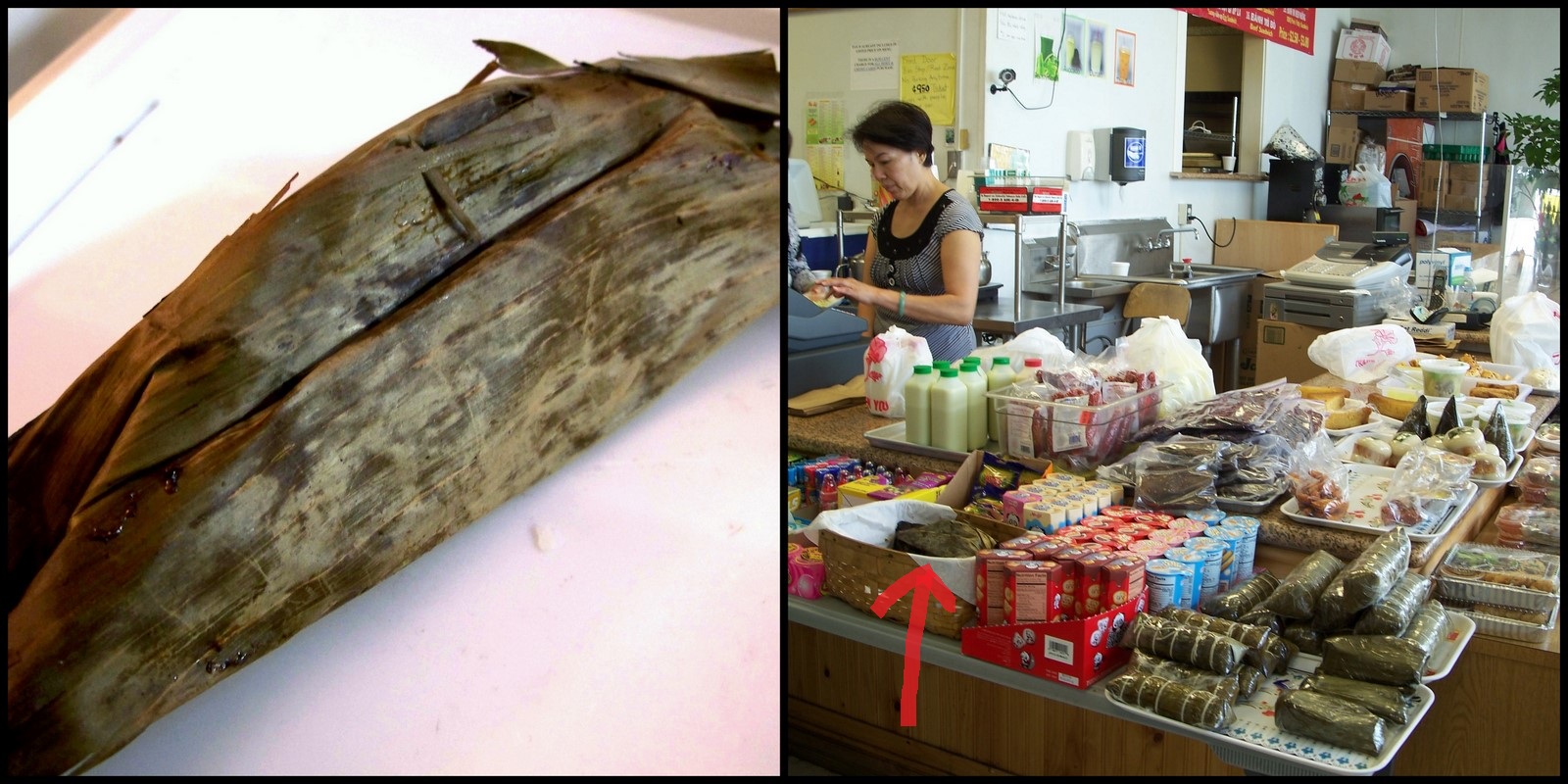
They all look the same. A myriad of things wrapped in wilted banana leaves sitting on the counter at a banh mi shop. Few patrons seem to notice the snacks as they occupy themselves with sandwich orders and the more meal-like rice or noodle to-gos, so much to the extent that the sellers too have little interest in selling their counter treats. Humbly, I point to these slender, charred and dry parcels piled in a box near the Pockys and inquire about their name. The hostess throws me half a glance infused with boredom, “Chuối nướng,” she moves her lips. So “grilled banana” they are.


It takes an utterly simple form: a banana inside a sticky rice shell inside a banana leaf, charcoal grilled. Crispy, then chewy, then gooey sweet it goes as you sink your teeth through the bounteousness. It’s the factoriless meatless corn dog sans wooden stick of Southern Vietnam. Children would wait around old grandmas in the ‘hood to watch them grill the banana dogs and drool; adults would grab the banana dogs for breakfast, lunch, or late night snack when a wind chills and the grill warms.

It’s one of those things that can’t go wrong. Some cook the sticky rice plain, then serve the grilled dog sectioned and bathed in coconut milk with a pinch of sesame salt or peanut salt. Others do it My Tho style: the sticky rice is cooked in coconut milk and later mixed with coconut shavings before wrapped and grilled. Many cloth their nana dogs with just a band of nana leaf, mainly for easy handling of the sticky rice on the grill and near other dogs, but the dogs get crispier too. Meanwhile, Ba Lẹ ladies bundle up their dogs like they would with bánh tét, less charred, more aroma from the leaves.


Like banana bread pudding, banana dogs are exclusively made with chuoi su, a solid, stout, dense and white banana that grows like weed in the Asian tropics but is nonexistent in the States. The sad substitute Cavendish lacks consistency and sweetness and gooeyness. Yet, chuối nếp nướng still hits the spot like waltzing in the rain.

These nana ricewiches, as Noodlepie lovingly nicknamed, were 2000VND a steal (~10 US cents with the current exchange rate) in 2005. In 2007 the Gastronomer took the bite for 3000VND. I have no idea how much they cost now on the Saigon streets, with crazy inflation it might just be 10000 for all I know. But here at Bánh Mì Ba Lẹ in Oakland, nana dogs will go home with you for $1.75 each.

Address: Bánh Mì Ba Lẹ (East Oakland)
1909 International Blvd
Oakland, CA 94606
(510) 261-9800

Previously on Sandwich Shop Goodies: khoai mì hấp (steamed cassava)
Next on Sandwich Shop Goodies: Bánh xu xê (couple cookie)

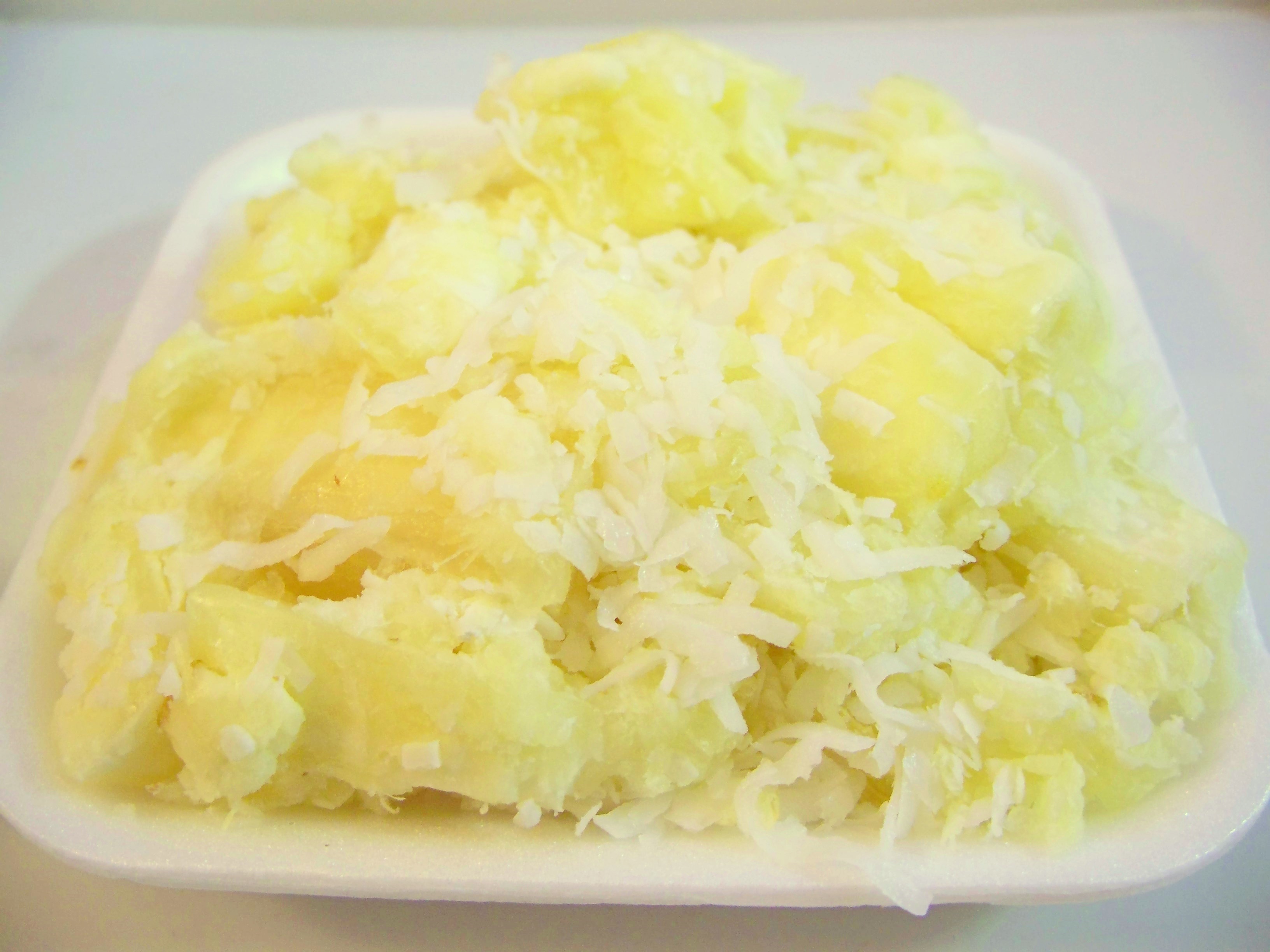
Sandwich shop goodies 11 – Steamed cassava

November 09, 2010 By: Mai Truong Category: California - The Bay Area, Comfort food, One shot, savory snacks, Southern Vietnamese, Vegan, Vietnamese


My mom is a skeptic about street snacks, most of the time because of the fingers handling them, but this thing passed. Like xoi, it should always be served hot right out of the steamer. Cool it down with a few blows of air and hurry it in the mouth; it may be wet and chewy, or it may be floury and nutty. But it’s distinctively cassava.

Back home, khoai mì hấp (steamed cassava) is among the cheapest Saigon street scoffs, because khoai mì (cassava root) is cheap (2000VND/kg these days, about 5 cents/lb), and the making is beyond simple. You boil the roots, then keep it warm and moist in a steamer. Unlike banh bao vendors, you keep the lid open to let out burly rolls of steam and invitation. The cone hat ladies sometimes add pandan leaves in the water, those ivory chunks then smell as sweet as spring rains. A customer comes, you scoop him a few palmfuls into a nylon bag and forget not the coconut shavings and the classic salt-sugar-sesame mix. A true street scoffer would eat with his fingers, probably holding the thick center string (the root’s woody cordon) to nibble on without touching its hot flesh.

I mix salt, sugar and my memory of what steamed cassava should taste like into the $1 prepackaged clump at Bánh Mì Ba Lẹ in Oakland, after microwaving it for one minute. The roots are dry and flavorless, probably out from a frozen section. But I taste only my younger days.

Address: Bánh Mì Ba Lẹ (East Oakland)
1909 International Blvd
Oakland, CA 94606
(510) 261-9800

Previously on Sandwich shop goodies: Bánh chuối nướng (Vietnamese banana bread pudding)
Next on Sandwich shop goodies: chuối nếp nướng (grilled banana in sticky rice – banana dog)

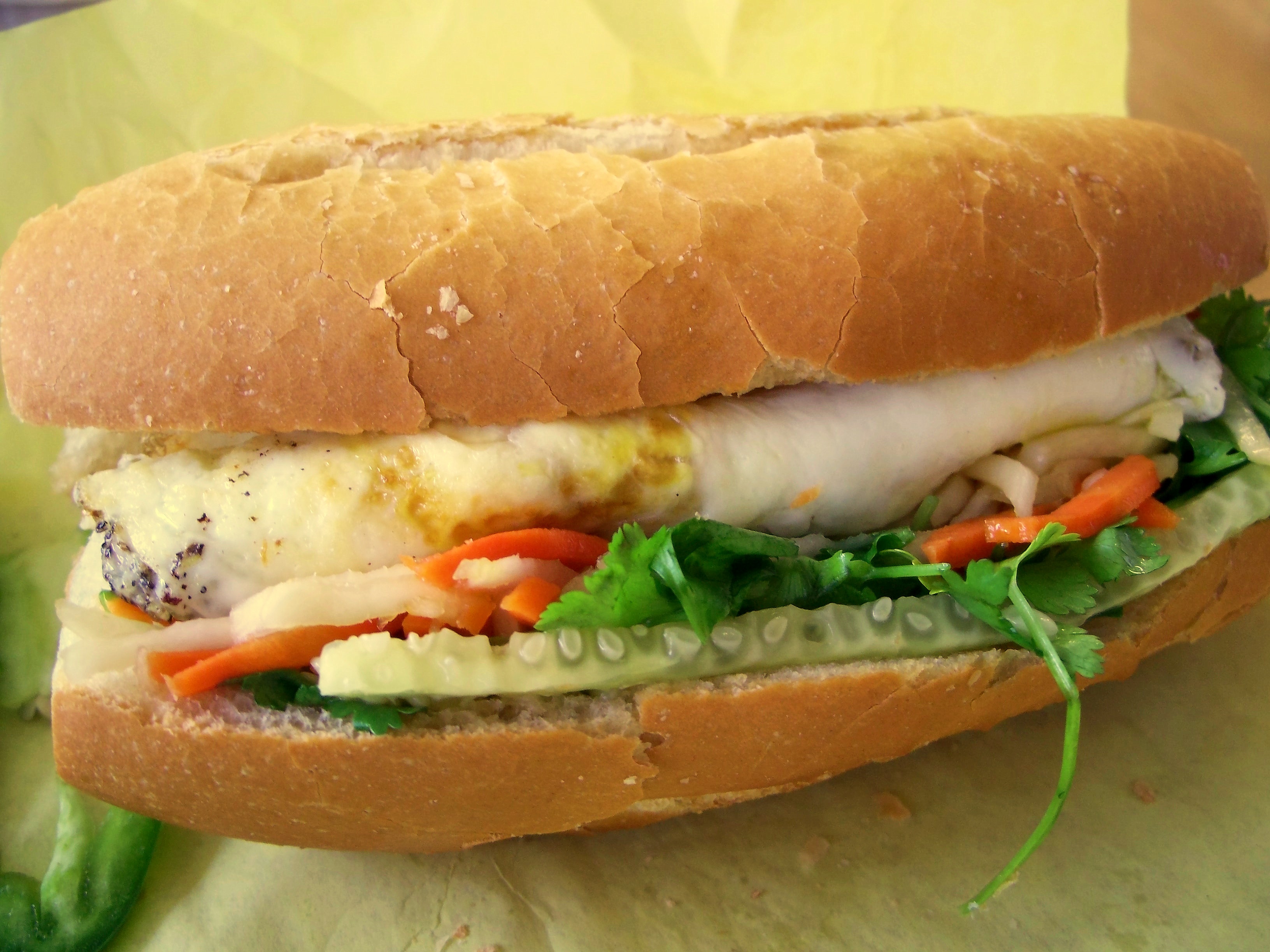
Bánh mì Ba Lẹ Oakland

November 05, 2010 By: Mai Truong Category: California - The Bay Area, Comfort food, sandwiches, Vietnamese


Must have been at least seven years since I had a bánh mì ốp-la (bánh mì with sunny-side-up egg). Most Vietnamese sandwich stores in the States don’t put eggs in their breads, but ốp la (probably a strayed pronunciation of “omelette” in French colonial days) is the most common type of bánh mì stuffing you can find on the streets in Vietnam.


This store contains as much variety as twenty street food stalls: about 15 kinds of banh mi, with meats, pate, vegetarian, and even sardines (cá mòi), ranging from $2.50-$3 each. Then there are bò kho, bún bò, bánh cuốn, rice plates, bánh dầy, bánh tét, and a thousand other things. Thank god there is no phở here.


Ba Lẹ’s bánh cuốn comes with a garden, finger-thick cuts of chả lụa, and cubes of deep fried mung bean batter named bánh cóng. It’s not as good as the shrimp-and-sweet-potato tempura accompanying Tây Hồ‘s bánh cuốn, but it has a lot more rolls than Tây Hồ’s for a lower price. Tây Hồ still has the best rolls, but these are good too. Except they aren’t pre-halved in length. Oh well. Sloppiness is street-foodieness.


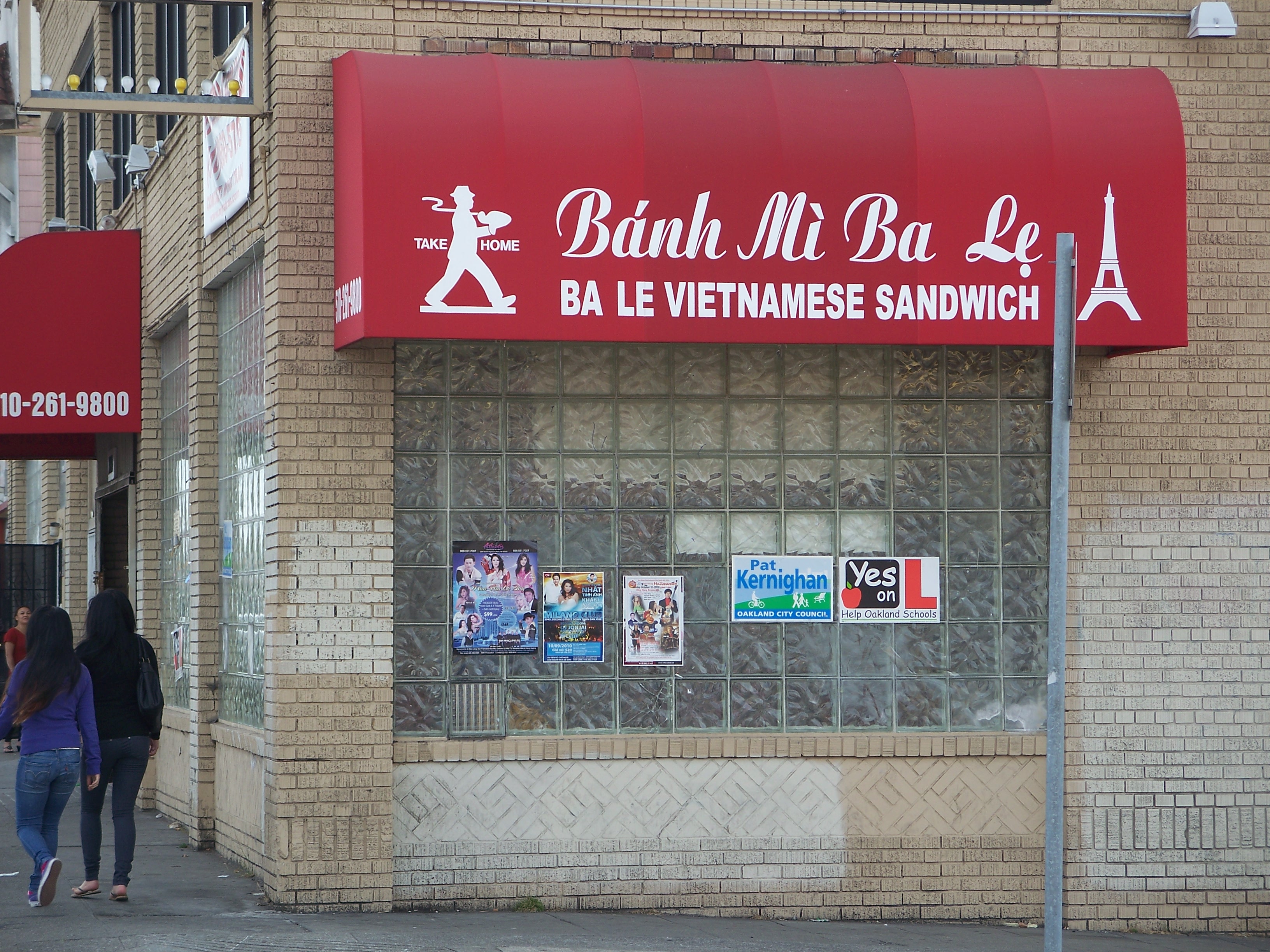
The location is less than appetizing to the eye. On rainy days, you see worn down bricked alleys with puddles. On dry day, you see worn down brick alleys with unkempt people. The buildings are old, the paints have faded. But the steady flow of customers even on rainy days confirms that Ba Lẹ isn’t just a name from the pre-1975 Saigon. It’s one of those real banh mi’s.

Address: Bánh Mì Ba Lẹ (East Oakland)
1909 International Blvd
Oakland, CA 94606
(510) 261-9800